15 Easy Coconut Recipes for Tropical Flavor


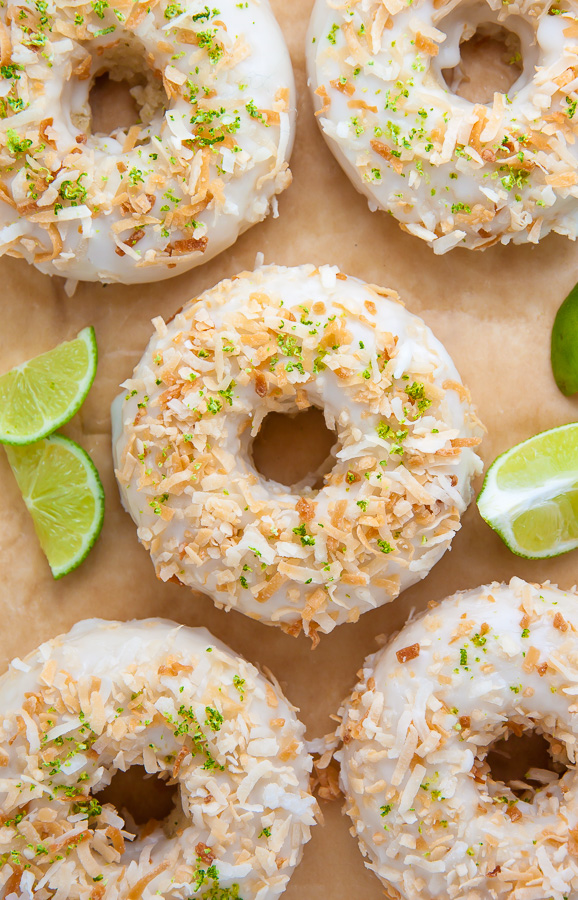
Dreaming of a tropical escape? Imagine the taste of creamy coconut transforming your everyday meals into island-inspired delights. It's easier than you think to infuse your kitchen with the flavors of paradise!
Are you tired of the same old recipes? Do you long for something new and exciting but feel intimidated by complicated dishes? Do you crave that vacation feeling without having to book a flight?
This blog post offers 15 easy coconut recipes that will bring the vibrant flavors of the tropics right to your table. From sweet treats to savory sensations, you'll discover simple ways to incorporate coconut into your cooking and transport your taste buds to a sun-drenched paradise.
Get ready to unlock a world of flavor with these simple coconut recipes. We'll explore everything from creamy coconut milk desserts to savory coconut-infused main courses, providing you with easy-to-follow instructions and tips for success. It's time to embrace the tropical magic of coconut and elevate your culinary game!
My Coconut Awakening
I'll never forget the first time I truly understood the power of coconut. I was on vacation in Thailand, surrounded by lush greenery and the sounds of the ocean. One morning, I stumbled upon a small street vendor selling fresh coconut pancakes. The aroma alone was intoxicating – a sweet, nutty fragrance that drew me in. The pancake itself was incredibly simple, just a few ingredients cooked in a pan, but the flavor was extraordinary. The creamy coconut milk, the subtle sweetness, the slightly chewy texture – it was a revelation. It wasn't just a pancake; it was a taste of pure tropical bliss. From that moment on, I was determined to bring that flavor back home with me. I started experimenting with coconut milk, coconut flakes, and coconut oil, trying to recreate that magical taste. It wasn't always easy. Some attempts were bland, others were too sweet, but I persisted. And eventually, I discovered that with a few simple techniques, anyone can unlock the amazing potential of coconut. Whether it's adding coconut milk to a curry for a creamy richness, sprinkling toasted coconut flakes on a salad for a touch of sweetness, or using coconut oil for a healthy and flavorful sauté, the possibilities are endless. Coconut isn't just an ingredient; it's a passport to a world of flavor. It's a reminder that even the simplest dishes can be transformed into something extraordinary with a little bit of tropical inspiration. So, grab a can of coconut milk, a bag of coconut flakes, and let's get cooking! Get ready to discover your own coconut awakening.
What Makes Coconut So Special?
Coconut is more than just a delicious ingredient; it's a nutritional powerhouse and a culinary chameleon. What makes it so special is its versatility. From the water inside the young coconut to the rich milk extracted from the flesh, every part of the coconut offers unique benefits. The water is hydrating and packed with electrolytes, making it a perfect natural sports drink. The flesh is rich in healthy fats, fiber, and minerals. And the milk and oil extracted from the flesh can be used in countless recipes, adding creamy texture and tropical flavor. But the magic of coconut goes beyond its nutritional value. It's the flavor that truly sets it apart. The subtle sweetness, the nutty aroma, the creamy texture – it's a combination that's both comforting and exotic. It can transform a simple dish into something extraordinary, adding depth and complexity that's hard to replicate with other ingredients. And because it's naturally gluten-free and dairy-free, it's a great option for people with dietary restrictions. Whether you're vegan, vegetarian, or simply looking for healthy and delicious ways to add flavor to your meals, coconut is a fantastic choice. From curries and soups to smoothies and desserts, the possibilities are endless. So, embrace the magic of coconut and let it transport your taste buds to a tropical paradise.
A History of Coconut
The history of coconut is as rich and fascinating as its flavor. For centuries, coconut has been a staple food and a vital resource in tropical regions around the world. Its origins can be traced back to Southeast Asia, where it has been cultivated for thousands of years. From there, it spread to other parts of the world, carried by ocean currents and human travelers. In many cultures, the coconut is more than just a food; it's a symbol of life, prosperity, and good fortune. It's often used in religious ceremonies and traditional medicine. In some cultures, it's believed to have healing properties and is used to treat a variety of ailments. But the history of coconut isn't just about its practical uses; it's also about the myths and legends that surround it. In some cultures, it's believed that the coconut palm is a gift from the gods, a symbol of abundance and generosity. In others, it's associated with fertility and new life. The coconut has also played a significant role in trade and exploration. For centuries, it has been a valuable commodity, traded across oceans and continents. Its versatility and durability made it an ideal cargo for long voyages. Today, coconut continues to be a vital part of many cultures and economies around the world. It's a reminder of the rich history and traditions that have shaped our world. So, the next time you enjoy a coconut dish, take a moment to appreciate the long and fascinating history of this amazing fruit.
The Hidden Secrets of Coconut
Beyond its obvious uses in cooking and skincare, coconut holds many hidden secrets that are waiting to be discovered. One of the most fascinating secrets is its potential for sustainable energy. Coconut oil can be used as a biofuel, offering a cleaner and more renewable alternative to fossil fuels. In some tropical regions, it's already being used to power vehicles and generate electricity. Another secret lies in its ability to purify water. Coconut husk fibers can be used as a natural filter to remove impurities and bacteria from water, making it safe to drink. This is particularly useful in areas where access to clean water is limited. But perhaps the most intriguing secret of coconut is its potential for medical applications. Studies have shown that coconut oil has antibacterial, antiviral, and antifungal properties. It's being investigated as a potential treatment for a variety of conditions, including skin infections, digestive disorders, and even Alzheimer's disease. While more research is needed, the early results are promising. Coconut is also a sustainable and eco-friendly resource. The entire coconut palm can be used, from the roots to the leaves, minimizing waste and maximizing its value. It's a testament to the ingenuity of nature and the potential for sustainable living. So, the next time you think of coconut, remember that it's more than just a delicious ingredient; it's a treasure trove of hidden secrets and potential benefits.
Coconut Recipe Recommendations
When it comes to coconut recipes, the possibilities are truly endless. But to get you started, here are a few recommendations that are sure to impress. For a quick and easy snack, try toasted coconut flakes. Simply spread shredded coconut on a baking sheet and bake at 350°F (175°C) for 5-7 minutes, or until golden brown. Sprinkle them on yogurt, oatmeal, or salads for a touch of sweetness and crunch. If you're looking for a more substantial meal, try a coconut curry. This is a versatile dish that can be made with chicken, shrimp, vegetables, or tofu. Simply sauté your ingredients in coconut oil, then add coconut milk, curry paste, and your favorite spices. Simmer until the flavors meld together, and serve over rice or noodles. For a decadent dessert, try coconut cream pie. This classic pie features a creamy coconut filling and a flaky crust. Top it with whipped cream and toasted coconut flakes for a truly irresistible treat. And for a refreshing beverage, try a coconut smoothie. Blend coconut water, coconut milk, frozen fruit, and a touch of honey for a healthy and delicious drink. These are just a few examples of the many delicious coconut recipes that are out there. So, don't be afraid to experiment and try new things. With a little bit of creativity, you can create your own coconut masterpieces. And don't forget to share your creations with friends and family. They're sure to be impressed by your culinary skills.
Coconut Milk Ice Cream
Coconut milk ice cream is a delightful dairy-free alternative that doesn't compromise on flavor or creaminess. The key to making amazing coconut milk ice cream is using full-fat coconut milk. This ensures a rich and decadent texture that mimics traditional ice cream. You can experiment with different flavors by adding ingredients like vanilla extract, cocoa powder, fruit purees, or even chocolate chips. For an extra touch of tropical flavor, try adding toasted coconut flakes or a splash of rum. When making coconut milk ice cream, it's important to chill the mixture thoroughly before churning it in an ice cream maker. This helps to prevent ice crystals from forming, resulting in a smoother and creamier texture. If you don't have an ice cream maker, you can still make coconut milk ice cream by freezing the mixture in a shallow container and stirring it every 30 minutes for the first few hours. This will help to break up the ice crystals and create a more even texture. Coconut milk ice cream is a versatile dessert that can be enjoyed on its own or used as a base for other creations. Try serving it with fresh fruit, chocolate sauce, or a sprinkle of nuts. You can also use it to make ice cream sandwiches or milkshakes. And because it's dairy-free, it's a great option for people with lactose intolerance or dairy allergies.
Tips for Cooking with Coconut
Cooking with coconut is easy and fun, but there are a few tips that can help you get the best results. First, choose the right type of coconut product for your recipe. Coconut oil is great for sautéing and baking, while coconut milk is perfect for curries, soups, and desserts. Coconut flakes can be used as a topping for salads, yogurt, and oatmeal. And coconut water is a refreshing and hydrating beverage. Second, be mindful of the fat content. Coconut products are high in saturated fat, so it's important to use them in moderation. However, the saturated fat in coconut is different from the saturated fat in animal products. It's composed of medium-chain triglycerides (MCTs), which are easily digested and metabolized by the body. Third, don't be afraid to experiment with different flavors. Coconut pairs well with a variety of spices, including ginger, garlic, chili, and lemongrass. It also complements sweet flavors like vanilla, chocolate, and fruit. Fourth, store coconut products properly. Coconut oil should be stored in a cool, dark place. Coconut milk and coconut water should be refrigerated after opening. And coconut flakes should be stored in an airtight container. By following these simple tips, you can unlock the full potential of coconut and create delicious and healthy meals that everyone will love. So, get creative and have fun with it!
Understanding Coconut Oil
Coconut oil is a versatile and widely used ingredient in both cooking and skincare. It's extracted from the flesh of coconuts and has a distinct flavor and aroma that can enhance a variety of dishes. There are two main types of coconut oil: refined and unrefined (or virgin). Refined coconut oil is processed to remove the coconut flavor and aroma, making it more suitable for cooking at high temperatures. Unrefined coconut oil, on the other hand, retains its natural flavor and aroma and is often preferred for baking and skincare. When choosing coconut oil, it's important to consider its quality and purity. Look for organic, cold-pressed coconut oil, which is processed without the use of heat or chemicals. Coconut oil has a high saturated fat content, but it's composed of medium-chain triglycerides (MCTs), which are easily digested and metabolized by the body. MCTs have been linked to a variety of health benefits, including improved energy levels and weight management. In the kitchen, coconut oil can be used for sautéing, baking, and frying. It adds a subtle sweetness and nutty flavor to dishes. In skincare, coconut oil can be used as a moisturizer, makeup remover, and hair conditioner. Its moisturizing properties can help to soothe dry skin and hair. However, it's important to note that coconut oil can be comedogenic for some people, meaning it can clog pores and cause breakouts.
Fun Facts About Coconut
Did you know that the coconut palm is often called the "tree of life" because it provides food, shelter, and medicine? Or that the word "coconut" comes from the Spanish word "coco," which means "monkey face," because the three indentations on the coconut shell resemble a monkey's face? Coconuts are technically not nuts; they're drupes, which are fruits with a fleshy outer layer and a hard shell surrounding a seed. Coconuts can float in water for months, allowing them to travel long distances and spread to new locations. The fibrous husk of the coconut can be used to make rope, mats, and other products. Coconut water is naturally sterile and has been used as an intravenous hydration fluid in emergency situations. Coconut oil has a high smoke point, making it suitable for high-heat cooking methods like stir-frying and deep-frying. Coconut milk is a staple ingredient in many cuisines around the world, including Thai, Indian, and Caribbean. Coconuts are a symbol of tropical paradise and are often associated with relaxation and vacation. The coconut palm is a versatile and sustainable resource that provides countless benefits to people and the planet. So, the next time you see a coconut, take a moment to appreciate its amazing qualities and its important role in our world.
How to Incorporate Coconut into Your Diet
Incorporating coconut into your diet is easier than you think! Start by swapping out some of your regular cooking oils for coconut oil. It adds a subtle sweetness and nutty flavor to dishes, and it's a healthy alternative to vegetable oils. Add coconut flakes to your breakfast routine. Sprinkle them on yogurt, oatmeal, or granola for a touch of sweetness and crunch. Use coconut milk in your smoothies. It adds a creamy texture and a tropical flavor that's hard to resist. Try using coconut milk instead of dairy milk in your coffee or tea. It's a delicious and dairy-free alternative. Use coconut flour in your baking. It's a gluten-free option that adds a unique flavor and texture to baked goods. Make coconut curries and soups. Coconut milk is a staple ingredient in many curries and soups, adding richness and depth of flavor. Use coconut water as a hydrating beverage. It's naturally sweet and packed with electrolytes. Make coconut-based desserts. From coconut cream pie to coconut macaroons, there are countless delicious coconut desserts to choose from. Experiment with different coconut products and recipes to find your favorites. With a little bit of creativity, you can easily incorporate coconut into your diet and enjoy its many health benefits and delicious flavors.
What If I Don't Like Coconut?
It's perfectly okay if you don't initially love the taste of coconut! Taste is subjective, and what one person finds delicious, another might not enjoy. However, before completely dismissing coconut, consider that there are many different ways to prepare and use it. Perhaps you've only tried sweetened coconut flakes, which can be overpowering. Unsweetened coconut flakes have a milder flavor and can be a great addition to savory dishes. Or maybe you've had coconut milk that was too thick and heavy. Light coconut milk or coconut water might be more palatable. Another approach is to start with small amounts of coconut and gradually increase the quantity as you become more accustomed to the flavor. You can also try pairing coconut with other flavors that you enjoy, such as chocolate, vanilla, or tropical fruits. If you're still not a fan of the taste of coconut, you can still reap its health benefits by using coconut oil for cooking or skincare. Refined coconut oil has a neutral flavor and aroma, making it a good option for high-heat cooking. Ultimately, whether or not you like coconut is a matter of personal preference. But before you give up on it completely, consider trying different varieties and preparations to see if you can find a way to enjoy it. And if not, that's perfectly fine too!
Listicle of 15 Easy Coconut Recipes
Here's a list of 15 easy coconut recipes that you can try at home:
- Coconut Rice: A simple and flavorful side dish made with coconut milk, rice, and a pinch of salt.
- Coconut Curry: A versatile dish that can be made with chicken, shrimp, vegetables, or tofu.
- Coconut Macaroons: Chewy and delicious cookies made with coconut flakes, sugar, and egg whites.
- Coconut Smoothie: A refreshing and healthy drink made with coconut water, coconut milk, and frozen fruit.
- Coconut Cream Pie: A classic pie with a creamy coconut filling and a flaky crust.
- Toasted Coconut Flakes: A quick and easy snack that can be sprinkled on yogurt, oatmeal, or salads.
- Coconut Shrimp: Crispy and flavorful shrimp coated in coconut flakes and fried to perfection.
- Coconut Pancakes: Fluffy and delicious pancakes made with coconut milk and coconut flakes.
- Coconut Granola: A healthy and homemade granola made with coconut flakes, oats, and nuts.
- Coconut Soup: A creamy and comforting soup made with coconut milk, vegetables, and spices.
- Coconut Chicken: Tender and flavorful chicken marinated in coconut milk and spices.
- Coconut Ice Cream: A dairy-free alternative that's rich and creamy.
- Coconut Flour Pancakes: Gluten-free pancakes made with coconut flour and coconut milk.
- Coconut Energy Bites: A healthy and energizing snack made with coconut flakes, nuts, and dried fruit.
- Coconut Chia Seed Pudding: A healthy and delicious pudding made with coconut milk, chia seeds, and sweetener. These recipes are just a starting point. With a little bit of creativity, you can create your own coconut masterpieces and enjoy the many flavors and benefits of this amazing fruit.
Question and Answer
Here are some frequently asked questions about coconut:
Q: Is coconut oil healthy?
A: Coconut oil contains saturated fat, but it's mostly medium-chain triglycerides (MCTs), which are metabolized differently than long-chain saturated fats. Some studies suggest MCTs may have health benefits, but more research is needed. Use coconut oil in moderation as part of a balanced diet.
Q: Can I use coconut milk if I'm lactose intolerant?
A: Yes, coconut milk is naturally dairy-free and lactose-free, making it a great alternative for people with lactose intolerance or dairy allergies.
Q: How do I store coconut flakes?
A: Store coconut flakes in an airtight container in a cool, dry place. They can last for several months if stored properly.
Q: What's the difference between coconut water and coconut milk?
A: Coconut water is the clear liquid found inside young coconuts. Coconut milk is made by grating the coconut flesh and squeezing it to extract the liquid.
Conclusion of 15 Easy Coconut Recipes for Tropical Flavor
Coconut is truly a versatile and delicious ingredient that can add a touch of tropical flavor to a wide variety of dishes. From sweet to savory, the possibilities are endless. Whether you're looking for healthy snack ideas, decadent desserts, or flavorful main courses, coconut has something to offer. So, embrace the tropical magic of coconut and start experimenting with these easy recipes today. You'll be amazed at how simple it is to transform your everyday meals into island-inspired delights. And don't forget to share your creations with friends and family. They're sure to be impressed by your culinary skills. Happy cooking!

Post a Comment
Post a Comment