Easy Naan Recipe: Soft Indian Flatbread Without Tandoor


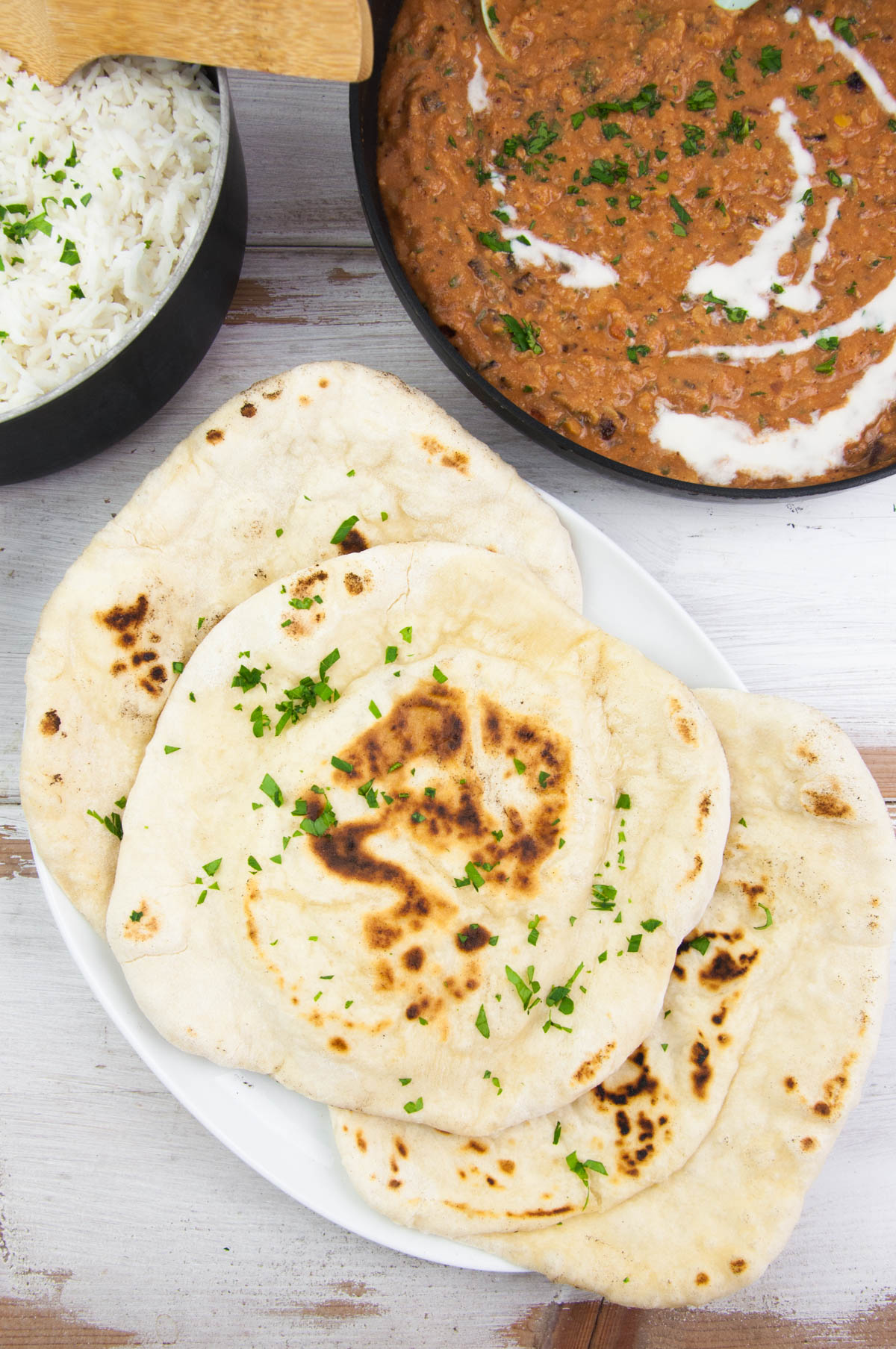
Imagine biting into a warm, fluffy naan, its pillowy texture complementing your favorite curry. Sounds amazing, right? But the thought of needing a traditional tandoor oven might seem daunting. What if I told you that you could achieve that authentic naan experience right in your own kitchen, without any fancy equipment?
Let's face it, the idea of making authentic Indian flatbread at home can be a little intimidating. Many recipes call for specialized ingredients or equipment that aren't readily available. Plus, the instructions can sometimes be complicated and time-consuming, leaving you feeling defeated before you even begin.
This recipe tackles those challenges head-on! We're going to show you how to make incredibly soft and delicious naan without a tandoor. This easy naan recipe uses simple ingredients and a straightforward method, so you can enjoy fresh, homemade naan any time you want.
This article will guide you through creating soft, flavorful naan bread using readily available ingredients and a regular stovetop or oven. You'll learn the secrets to achieving that perfect texture, without the need for a tandoor oven. Get ready to impress your family and friends with your newfound culinary skills, as you embark on this journey to master the art of easy, homemade naan.
My Naan Journey: From Disaster to Delight
My first attempt at making naan was, to put it mildly, a complete disaster. I envisioned perfectly puffed, slightly charred flatbreads, ready to scoop up a delicious butter chicken. What I ended up with were hard, cracker-like discs that tasted vaguely of sadness. The recipe I followed was overly complicated, filled with obscure ingredients I couldn't pronounce, and the instructions assumed a level of expertise I definitely didn't possess. Discouraged but not defeated, I decided to simplify the process. I spent weeks experimenting with different flours, liquids, and cooking methods, determined to create a naan recipe that was both easy and delicious. I learned that the key to soft naan lies in the dough hydration and the cooking method. High hydration, achieved with yogurt and warm water, keeps the naan soft and pliable. Cooking on a hot cast iron skillet mimics the high heat of a tandoor, creating those signature bubbles and slightly charred spots. Through trial and error, I finally cracked the code, creating a recipe that consistently yields soft, flavorful naan that rivals anything you'd find in a restaurant. Now, making naan is a joy, and I love sharing this easy recipe with others, knowing they can achieve the same success without the frustration I initially experienced. It’s a testament to the fact that sometimes, the simplest approach is the best.
What is Easy Naan?
Easy naan, in essence, is a simplified version of the traditional Indian flatbread that aims to replicate the authentic taste and texture without requiring specialized equipment like a tandoor oven. It utilizes readily available ingredients commonly found in most kitchens, such as all-purpose flour, yeast, yogurt, and a touch of sugar and salt. The beauty of easy naan lies in its accessibility. It's designed for home cooks who may not have the time or resources to invest in elaborate cooking methods. Instead of relying on the intense heat of a tandoor, this recipe adapts to the capabilities of a stovetop or a conventional oven. The dough-making process is also streamlined, emphasizing simplicity and ease of handling. While the flavor profile remains largely consistent with traditional naan, subtle adjustments may be made to compensate for the absence of a tandoor. For instance, using a cast iron skillet helps to achieve a similar level of char and smokiness. Ultimately, easy naan provides a delicious and convenient way to enjoy the flavors of India from the comfort of your own home. It's a testament to the adaptability and ingenuity of home cooking, where delicious results can be achieved with resourcefulness and a willingness to experiment. It’s a celebration of simple pleasures, and a reminder that great food doesn't always require complicated techniques.
The History and Myth of Naan
The history of naan is as rich and layered as its flavor. Originating in Persia (modern-day Iran), naan's journey spans centuries and continents, evolving from a simple flatbread to a beloved staple in South Asian cuisine and beyond. Its earliest forms likely resembled unleavened breads, cooked on hot stones or open fires. The introduction of yeast marked a significant turning point, giving naan its signature soft and airy texture. As naan traveled eastward into India, it became increasingly associated with the Mughal emperors, who embraced it as a culinary delicacy. Naan began to be baked in tandoors, clay ovens that imparted a unique smoky flavor and blistered surface. Over time, various regional variations emerged, each reflecting local ingredients and culinary preferences. From garlic naan to butter naan, the possibilities are endless. While the historical record provides a factual account of naan's evolution, myths and legends also contribute to its allure. Some stories suggest that naan was originally created as a royal treat, reserved for the elite. Others claim that the perfect naan is a symbol of prosperity and good fortune. Regardless of its origins, naan's enduring popularity is a testament to its versatility and cultural significance. It's a bread that transcends boundaries, uniting people through a shared love of delicious food. Today, naan continues to be enjoyed in homes and restaurants around the world, a reminder of its long and fascinating journey through history.
The Hidden Secret to Perfect Naan
The hidden secret to perfect naan isn't just one thing, but rather a combination of factors working in harmony. While a good recipe is essential, mastering a few key techniques can elevate your naan from ordinary to extraordinary. One crucial element is the dough's hydration level. A slightly sticky dough, achieved with the right balance of water and yogurt, is key to creating a soft and pliable texture. Don't be afraid to add a little extra water if the dough seems too dry. Another secret lies in the resting period. Allowing the dough to rest for at least an hour, or even longer, allows the gluten to relax, resulting in a more tender naan. Patience is key! The cooking method also plays a significant role. Using a hot cast iron skillet mimics the intense heat of a tandoor, creating those signature bubbles and charred spots. Don't overcrowd the skillet; cook one naan at a time to ensure even cooking. Finally, a touch of melted butter or ghee brushed over the naan after cooking adds richness and shine. It's the finishing touch that takes it to the next level. By paying attention to these seemingly small details, you can unlock the hidden secrets to perfect naan, impressing your friends and family with your newfound culinary skills. It's a reminder that even the simplest recipes can yield extraordinary results when executed with care and attention.
Recommendations for Serving Your Naan
Now that you've mastered the art of making easy naan, it's time to explore the endless possibilities of serving it. Naan is incredibly versatile, pairing well with a wide range of dishes and cuisines. Of course, it's a natural accompaniment to classic Indian curries like butter chicken, chana masala, and palak paneer. The soft, fluffy texture of the naan is perfect for soaking up the rich sauces and flavorful spices. But don't limit yourself to just Indian cuisine! Naan can also be used as a flatbread for wraps and sandwiches. Try filling it with grilled vegetables, hummus, and falafel for a delicious vegetarian option. Or, use it as a base for mini pizzas, topping it with your favorite sauces, cheeses, and toppings. For a simple and satisfying snack, brush naan with garlic butter and sprinkle with fresh herbs. You can even grill it for a smoky flavor. When serving naan, presentation is key. Warm the naan slightly before serving to enhance its aroma and texture. Arrange it artfully on a platter, perhaps with a side of yogurt or chutney for dipping. The possibilities are truly endless. Let your creativity guide you, and discover new and exciting ways to enjoy your homemade naan. It's a bread that's meant to be shared and savored, bringing people together around the table.
Tips and Tricks for Extra Flavor
Elevating your easy naan recipe beyond the basics is easier than you think. Small tweaks can yield big results, transforming your naan into a flavor explosion. Consider infusing your dough with aromatic spices like garlic powder, onion powder, or even a pinch of red pepper flakes for a subtle kick. Finely chopped fresh herbs such as cilantro or parsley can also add a burst of freshness. Another way to boost the flavor is to brush the cooked naan with garlic butter or herb-infused ghee. This not only adds richness but also enhances the aroma. Experiment with different toppings, such as sesame seeds, poppy seeds, or nigella seeds, for added texture and visual appeal. For a sweet twist, try adding a touch of honey or maple syrup to the dough. This will create a slightly sweet naan that pairs perfectly with sweet and savory dishes. When cooking the naan, don't be afraid to experiment with different heat levels and cooking times. A slightly charred naan has a wonderful smoky flavor, but be careful not to burn it. Ultimately, the key is to have fun and let your creativity guide you. Don't be afraid to try new things and experiment with different flavor combinations. The more you experiment, the more you'll discover your own unique naan-making style. It's a journey of culinary exploration, and the possibilities are endless.
Tips for Making the Softest Naan
Achieving that perfect, pillowy soft naan texture is the ultimate goal for many home cooks. While the recipe itself is important, a few key techniques can make all the difference. Firstly, pay close attention to the hydration of your dough. A slightly sticky dough is essential for soft naan. Don't be afraid to add a little extra water, a teaspoon at a time, until the dough reaches the desired consistency. Secondly, kneading the dough properly is crucial. Knead for at least 5-7 minutes to develop the gluten, which will give the naan its structure and elasticity. If you're using a stand mixer, use the dough hook attachment on medium speed. Thirdly, allow the dough ample time to rest. A longer resting period allows the gluten to relax, resulting in a more tender naan. Aim for at least an hour, or even longer if you have the time. Fourthly, use warm water when activating the yeast. Warm water helps the yeast to bloom properly, ensuring a good rise. Finally, cook the naan on a hot surface. A cast iron skillet or griddle is ideal for mimicking the high heat of a tandoor. These simple tips, combined with a good recipe, will help you achieve the softest, most delicious naan you've ever tasted. It's a journey of patience and practice, but the rewards are well worth the effort. Remember, the key is to pay attention to the details and don't be afraid to experiment.
Troubleshooting Common Naan Problems
Even with the best recipe and techniques, sometimes things don't go according to plan. If your naan is turning out tough, dense, or lacking in flavor, don't despair! There are several common culprits to consider. One possibility is that the dough wasn't hydrated enough. A dry dough will result in a tough naan. Try adding a little extra water to the dough next time, a teaspoon at a time, until it reaches a slightly sticky consistency. Another common issue is over-kneading the dough. Over-kneading can develop the gluten too much, resulting in a tough naan. Knead the dough until it's smooth and elastic, but avoid overdoing it. If your naan is lacking in flavor, consider adding more salt to the dough. Salt is essential for enhancing the flavor of the bread. You can also experiment with adding other spices, such as garlic powder or onion powder. If your naan is not puffing up properly, it could be due to several factors. Make sure your yeast is fresh and active. Also, ensure that the cooking surface is hot enough. If the surface is not hot enough, the naan won't puff up properly. Finally, don't overcrowd the cooking surface. Cook one naan at a time to ensure even cooking and proper puffing. By troubleshooting these common problems, you can overcome any challenges and create perfect naan every time. Remember, practice makes perfect, so don't give up if your first attempt isn't perfect. Keep experimenting, and you'll eventually master the art of naan-making.
Fun Facts About Naan
Beyond its delicious taste and versatility, naan boasts a fascinating array of fun facts that add to its cultural significance. Did you know that the word "naan" is derived from the Persian word for "bread"? This hints at its origins in Persia, from where it spread to various parts of the world, including India and Central Asia. Traditionally, naan is cooked in a tandoor, a cylindrical clay oven that provides intense heat and a unique smoky flavor. However, as this recipe demonstrates, you can achieve delicious results without a tandoor. Naan comes in many varieties, each with its own unique flavor and texture. From garlic naan to butter naan to peshwari naan (filled with nuts and dried fruits), the possibilities are endless. In some cultures, naan is considered a symbol of hospitality and is often served to guests as a sign of welcome. Naan is also a popular street food in many parts of the world, enjoyed as a quick and satisfying snack. It's often served with kebabs, curries, or simply with a drizzle of flavored oil. The largest naan ever made weighed over 100 pounds and measured over 10 feet in diameter! This impressive feat was achieved in India and required a specially built tandoor. These fun facts highlight the rich history and cultural significance of naan. It's a bread that has been enjoyed for centuries and continues to be a beloved staple in many cuisines around the world. So, the next time you enjoy a piece of naan, take a moment to appreciate its fascinating journey and diverse cultural connections.
How To Make Easy Naan: Step-by-Step
Ready to roll up your sleeves and dive into the world of homemade naan? Here's a step-by-step guide to making easy naan that will impress your family and friends. First, gather your ingredients: all-purpose flour, yeast, warm water, yogurt, sugar, salt, and oil. In a large bowl, combine the warm water, sugar, and yeast. Let it sit for 5-10 minutes until foamy. This indicates that the yeast is active. Next, add the yogurt, salt, and oil to the yeast mixture. Mix well. Gradually add the flour, mixing until a dough forms. Turn the dough out onto a lightly floured surface and knead for 5-7 minutes, or until smooth and elastic. Place the dough in a greased bowl, turning to coat. Cover and let rise in a warm place for at least an hour, or until doubled in size. After the dough has risen, punch it down and divide it into equal portions. Roll each portion into an oval shape. Heat a cast iron skillet or griddle over medium-high heat. Cook each naan for 1-2 minutes per side, or until golden brown and slightly charred. Brush with melted butter or ghee. Serve warm with your favorite curry or other dishes. These simple steps will guide you through the process of making easy naan, from start to finish. Remember to be patient and have fun! The more you practice, the better you'll become at making this delicious and versatile bread. And don't be afraid to experiment with different flavors and toppings to create your own unique naan variations.
What If My Naan Dough Doesn't Rise?
A flat naan is a sad naan! If you find that your naan dough isn't rising as expected, don't throw in the towel just yet. Several factors can contribute to this common issue, and often, there's a simple fix. First, check the expiration date of your yeast. Expired yeast will be inactive and unable to leaven the dough. If your yeast is expired, replace it with fresh yeast. Next, make sure the water you're using to activate the yeast is warm, not hot. Hot water can kill the yeast. The ideal temperature is around 105-115°F (40-46°C). Another possibility is that the room temperature is too cold. Yeast thrives in warm environments. If your kitchen is chilly, try placing the dough in a warm spot, such as near a radiator or in a preheated oven (turned off!). You can also try covering the bowl with a warm, damp towel to create a more humid environment. If you've checked all these factors and the dough still isn't rising, it's possible that the gluten in the flour is underdeveloped. Try kneading the dough for a few more minutes to develop the gluten and then let it rise again. In some cases, adding a pinch of sugar to the dough can help to feed the yeast and encourage it to rise. By troubleshooting these common issues, you can increase your chances of achieving a successful rise and making fluffy, delicious naan. Remember, patience is key. Sometimes, it just takes a little extra time and attention to get the dough to rise properly.
Top 5 Reasons to Make Your Own Naan at Home
Why bother making naan at home when you can easily buy it at the store? Here are five compelling reasons to ditch the store-bought version and embrace the joy of homemade naan: 1. Superior Taste and Freshness: Homemade naan simply tastes better! The flavor is fresher, the texture is softer, and the aroma is irresistible. Store-bought naan often lacks the depth of flavor and pillowy texture of homemade.
2. Control Over Ingredients: When you make naan at home, you have complete control over the ingredients. You can choose high-quality flour, yogurt, and other ingredients, avoiding artificial additives and preservatives that are often found in store-bought naan.
3. Cost-Effective: Making naan at home is surprisingly cost-effective. The ingredients are relatively inexpensive, and you can make a large batch for a fraction of the cost of buying individual naan breads.
4. Customizable Flavors: Homemade naan is a blank canvas for culinary creativity. You can experiment with different flavors and toppings, such as garlic, herbs, spices, or even sweet ingredients like honey or cinnamon.
5. Sense of Accomplishment: There's a unique sense of satisfaction that comes from making your own bread. It's a rewarding experience that connects you to the traditions of home cooking and allows you to create something truly special. These five reasons are just the tip of the iceberg. Making your own naan is a fun, rewarding, and delicious experience that will transform your home cooking. So, grab your ingredients, roll up your sleeves, and get ready to enjoy the best naan you've ever tasted!
Question and Answer
Q: Can I use bread flour instead of all-purpose flour?
A: Bread flour can be used, but it will result in a chewier naan. All-purpose flour is generally recommended for a softer texture.
Q: Can I freeze the naan dough?
A: Yes, you can freeze the naan dough. After the first rise, divide the dough into portions, wrap them individually in plastic wrap, and freeze. Thaw completely before rolling out and cooking.
Q: How do I reheat naan?
A: You can reheat naan in a dry skillet, in the microwave (covered with a damp paper towel), or in a warm oven.
Q: Can I make naan without yogurt?
A: While yogurt contributes to the soft texture, you can substitute it with milk or sour cream. The texture might be slightly different, but it will still be delicious.
Conclusion of Easy Naan Recipe: Soft Indian Flatbread Without Tandoor
So, there you have it – a simple, straightforward path to creating delicious, soft naan bread in your own kitchen, without the need for a tandoor. This recipe empowers you to enjoy the authentic flavors of Indian cuisine whenever you desire, impressing your family and friends with your newfound culinary skills. From understanding the nuances of dough hydration to mastering the stovetop cooking technique, you're now equipped with the knowledge to create naan that rivals restaurant quality. Embrace the journey, experiment with flavors, and most importantly, savor the satisfaction of creating something truly special from scratch. Happy cooking!

Post a Comment
Post a Comment