Cranberry Orange Bread Recipe: Tart Sweet Holiday Treat


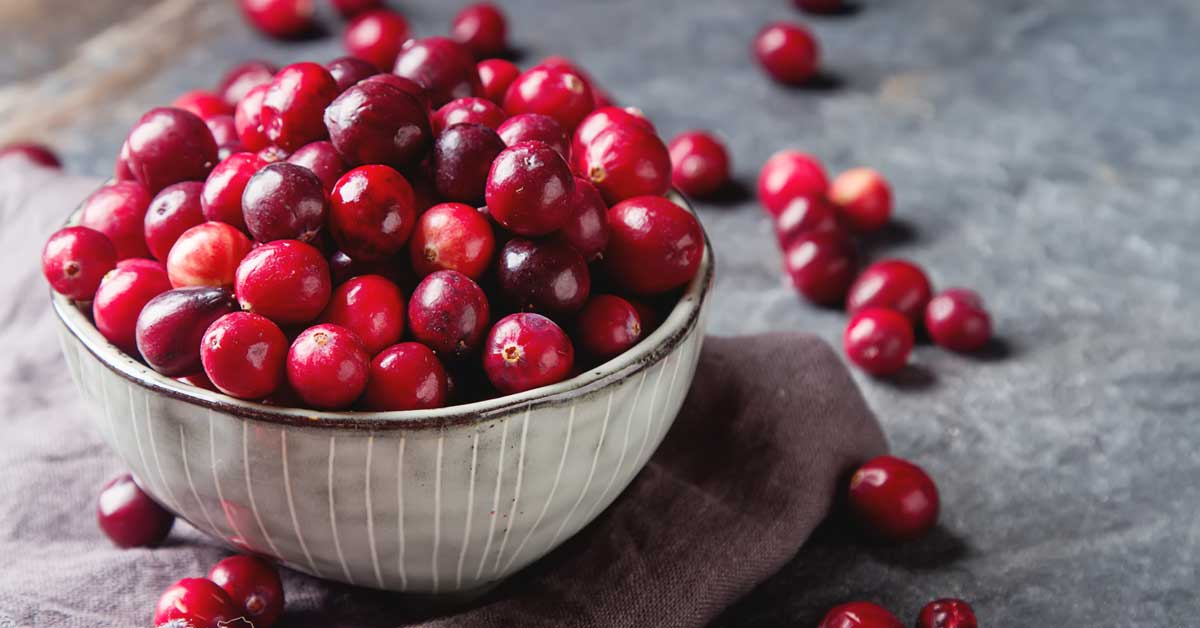
Imagine the aroma of citrus and cranberries filling your kitchen, a scent that instantly evokes feelings of warmth and holiday cheer. This isn't just any bread; it's a delightful Cranberry Orange Bread, a perfect balance of tartness and sweetness that's sure to become a family favorite.
Let's face it, sometimes holiday baking can feel overwhelming. Finding a recipe that's both delicious and relatively easy to execute, one that consistently yields a moist and flavorful loaf, can be a challenge. And the search for a treat that balances seasonal flavors without being overly sweet can be a tricky endeavor.
This blog post is your guide to creating the perfect Cranberry Orange Bread. We'll walk you through a simple yet satisfying recipe, explore the history and fun facts surrounding this delightful treat, and share tips and tricks to ensure baking success. Get ready to impress your friends and family with a homemade loaf that embodies the spirit of the season.
In this article, we'll delve into a detailed recipe for Cranberry Orange Bread, exploring its tart and sweet characteristics, its versatility as a holiday treat, and ways to customize it to your liking. We'll cover the history and origins of this beloved bread, as well as provide tips and tricks for achieving the perfect texture and flavor. So, get ready to preheat your oven and embark on a baking adventure that will fill your home with the wonderful aroma of cranberries and oranges!
My Cranberry Orange Bread Story
My love affair with cranberry orange bread began on a chilly December afternoon. The scent of baking wafted from my grandmother's kitchen, a symphony of citrus and cranberries that beckoned me closer. She was preparing her famous holiday bread, a recipe passed down through generations. I watched in fascination as she combined the ingredients, her hands moving with practiced ease. The vibrant red cranberries and zesty orange peel were like jewels scattered throughout the dough. When the first slice emerged from the oven, still warm and fragrant, I knew I was hooked. That initial bite was an explosion of flavor – the tartness of the cranberries perfectly balanced by the sweetness of the orange, all wrapped in a moist and tender crumb. It was a taste of home, a symbol of the holidays, and a memory I cherish to this day. This bread isn’t just a recipe; it’s a connection to my family history, a tradition I eagerly continue each year. Now, I tweak her recipe, adding a touch of cardamom for a subtle spice or a handful of chopped walnuts for added texture. The possibilities are endless! Cranberry orange bread is more than just a baked good; it's an experience, a feeling, a reminder of the joy and warmth of the holiday season. It's about sharing something special with loved ones, creating memories that will last a lifetime, and savoring the simple pleasures of life.
What is Cranberry Orange Bread?
Cranberry Orange Bread is a quick bread characterized by the harmonious blend of tart cranberries and sweet, zesty oranges. It's a delightful treat, often enjoyed during the fall and winter holidays, thanks to the seasonal availability of cranberries. Unlike yeast-based breads, quick breads rely on chemical leavening agents like baking powder and baking soda, making them faster and easier to prepare. This allows for a dense, moist crumb that perfectly complements the juicy cranberries and bright citrus notes. The bread typically incorporates orange zest and juice, intensifying the citrus flavor and adding moisture. Some variations include nuts, such as walnuts or pecans, for added texture and richness. A glaze, often made with powdered sugar and orange juice, is a common addition, providing a touch of sweetness and a glossy finish. Cranberry orange bread is incredibly versatile. It can be enjoyed for breakfast, as a snack, or as a dessert. It pairs well with coffee, tea, or even a glass of milk. The bread's vibrant colors and festive flavors make it a popular choice for holiday gatherings and gift-giving. Its easy preparation and delicious taste make it a favorite among bakers of all skill levels. The combination of tart and sweet is truly irresistible, making Cranberry Orange Bread a timeless classic.
The History and Myth of Cranberry Orange Bread
The history of cranberry orange bread, while not meticulously documented, is rooted in the availability and popularity of its key ingredients: cranberries and oranges. Cranberries, native to North America, have been used by indigenous populations for centuries, both for food and medicinal purposes. Their tartness made them a valuable ingredient for preserving food and adding flavor to various dishes. Oranges, on the other hand, were not native to North America and became more readily available as trade routes expanded. As both ingredients became more accessible, the combination of cranberries and oranges naturally found its way into baked goods. The quick bread format, which gained popularity in the 19th century with the advent of baking powder, provided an ideal way to showcase these flavors. While a specific origin story is elusive, it's likely that cranberry orange bread evolved as a home-baked treat, passed down through families and adapted over time. There aren't specific myths associated with cranberry orange bread in the traditional sense. However, its association with the holidays has imbued it with a sense of warmth, comfort, and tradition. The act of baking and sharing this bread often becomes a cherished ritual, creating lasting memories and strengthening bonds between loved ones. The aroma alone can transport people back to happy moments and evoke feelings of nostalgia. In this way, cranberry orange bread has become more than just a recipe; it's a symbol of home and the holiday spirit.
The Hidden Secret of Cranberry Orange Bread
The hidden secret to truly exceptional cranberry orange bread lies in the art of balancing flavors and textures. It's not just about following a recipe; it's about understanding how each ingredient contributes to the overall experience. One key element is the quality of the ingredients. Fresh, plump cranberries and fragrant oranges are essential for achieving the desired flavor profile. Using freshly squeezed orange juice and zest, rather than extracts, will make a noticeable difference. Another secret lies in the technique. Don't overmix the batter, as this can result in a tough bread. Gently fold in the cranberries and orange zest to ensure they are evenly distributed without crushing the berries. The oven temperature is also crucial. Baking at the correct temperature ensures that the bread cooks evenly and develops a golden-brown crust. But perhaps the most important secret is patience. Allow the bread to cool completely before slicing, as this allows the flavors to meld and the texture to set. A final touch that can elevate your cranberry orange bread is a simple glaze made with powdered sugar and orange juice. This adds a touch of sweetness and a glossy finish that makes the bread even more appealing. By paying attention to these details, you can unlock the full potential of this classic recipe and create a bread that is truly unforgettable. The secret, ultimately, is in the details and the love you put into baking.
Recommendations for Cranberry Orange Bread
If you're looking to elevate your Cranberry Orange Bread experience, I highly recommend experimenting with different variations and pairings. For a richer flavor, consider adding chopped nuts, such as walnuts or pecans, to the batter. These nuts add a delightful crunch and complement the tartness of the cranberries and the sweetness of the orange. Another great addition is a hint of spice. A pinch of cinnamon, nutmeg, or cardamom can enhance the warmth and complexity of the bread. If you're a fan of chocolate, try adding chocolate chips to the batter for a decadent twist. Dark chocolate chips work particularly well, providing a bittersweet counterpoint to the other flavors. When it comes to pairings, Cranberry Orange Bread is incredibly versatile. It's delicious on its own, but it also pairs well with a variety of beverages. Coffee and tea are classic choices, but you can also try it with a glass of milk or a scoop of vanilla ice cream. For a more sophisticated pairing, consider serving it with a cheese platter featuring sharp cheddar or creamy brie. The bread's tartness and sweetness will complement the richness of the cheese. And don't forget about the glaze! A simple glaze made with powdered sugar and orange juice is a classic, but you can also experiment with different flavors, such as maple syrup or honey. The possibilities are endless! With a little creativity, you can transform Cranberry Orange Bread into a truly unique and unforgettable treat.
Baking Techniques for Perfect Cranberry Orange Bread
Achieving the perfect Cranberry Orange Bread involves mastering a few key baking techniques. One of the most important aspects is properly measuring your ingredients. Using a kitchen scale to weigh your ingredients, especially flour, is the most accurate method and can significantly improve the consistency of your baked goods. When mixing the batter, be careful not to overmix. Overmixing develops the gluten in the flour, which can result in a tough bread. Mix the wet and dry ingredients until they are just combined, and then gently fold in the cranberries and orange zest. The oven temperature is also critical. Be sure to preheat your oven to the correct temperature and use an oven thermometer to ensure accuracy. If your oven tends to run hot, you may need to reduce the temperature slightly. The baking time will vary depending on your oven and the size of your loaf pan. Check for doneness by inserting a toothpick into the center of the bread. If the toothpick comes out clean, the bread is done. If the toothpick comes out with wet batter on it, continue baking for a few more minutes and check again. Once the bread is baked, let it cool in the pan for a few minutes before transferring it to a wire rack to cool completely. This prevents the bread from sticking to the pan and allows it to cool evenly. By mastering these baking techniques, you can consistently produce delicious and perfectly textured Cranberry Orange Bread.
Tips for a Moist and Flavorful Cranberry Orange Bread
To ensure your Cranberry Orange Bread is consistently moist and bursting with flavor, consider these helpful tips. First, don't skimp on the moisture! Using enough orange juice and zest is crucial for creating a tender crumb and infusing the bread with that signature citrus flavor. You can even add a tablespoon or two of orange liqueur for an extra boost of flavor and moisture. Second, consider using oil instead of butter. Oil tends to create a moister bread because it stays liquid at room temperature. If you prefer to use butter, make sure it's softened to room temperature before creaming it with the sugar. Third, don't overbake the bread! Overbaking will dry it out. Check for doneness by inserting a toothpick into the center of the bread. It should come out clean or with a few moist crumbs attached. Fourth, once the bread is cooled, wrap it tightly in plastic wrap or store it in an airtight container to prevent it from drying out. You can also freeze the bread for longer storage. Finally, consider adding a streusel topping for extra flavor and texture. A simple streusel made with flour, butter, sugar, and nuts can add a delicious crunch to the top of the bread. By following these tips, you can create a Cranberry Orange Bread that is moist, flavorful, and irresistible.
Variations on the Classic Cranberry Orange Bread
While the classic Cranberry Orange Bread is a delight, there are countless ways to customize and create variations that suit your taste preferences. For a gluten-free option, simply substitute the all-purpose flour with a gluten-free flour blend. Be sure to add a binding agent, such as xanthan gum, to help hold the bread together. If you're looking for a vegan version, you can replace the eggs with applesauce or mashed banana and use plant-based milk instead of dairy milk. To add a touch of spice, try incorporating a pinch of cinnamon, nutmeg, or cardamom into the batter. These spices complement the tartness of the cranberries and the sweetness of the orange beautifully. For a more decadent treat, consider adding chocolate chips to the batter. Dark chocolate chips work particularly well, providing a bittersweet counterpoint to the other flavors. You can also add chopped nuts, such as walnuts or pecans, for added texture and richness. Another interesting variation is to add a swirl of cream cheese filling to the center of the bread. Simply mix together cream cheese, sugar, and vanilla extract, and then swirl it into the batter before baking. And don't forget about the glaze! Experiment with different flavors, such as maple syrup, honey, or even a hint of citrus liqueur. With a little creativity, you can transform the classic Cranberry Orange Bread into a unique and personalized treat.
Fun Facts About Cranberry Orange Bread
Cranberry Orange Bread, beyond its delicious taste, holds a few interesting fun facts that you might not know. Did you know that cranberries are one of the few fruits native to North America? They were used by Native Americans for both food and medicinal purposes long before European settlers arrived. Oranges, on the other hand, are not native to North America and were introduced later through trade and exploration. The combination of these two ingredients in a baked good is a relatively recent development, likely originating in the 20th century. Another fun fact is that cranberries are actually hollow, which is why they bounce! This unique characteristic makes them ideal for creating sauces and baked goods, as they retain their shape and texture during cooking. Orange zest, which is often used in Cranberry Orange Bread, is packed with essential oils that contribute to the bread's aroma and flavor. It's important to zest only the outer layer of the orange, as the white pith underneath can be bitter. Cranberry Orange Bread is often associated with the holidays, particularly Thanksgiving and Christmas, due to the seasonal availability of cranberries and the festive flavors. Sharing a loaf of homemade Cranberry Orange Bread is a thoughtful and delicious way to show your appreciation to friends and family during the holiday season. These fun facts add another layer of appreciation to this delightful treat.
How to Make Cranberry Orange Bread
Making Cranberry Orange Bread is a straightforward process, perfect for both beginner and experienced bakers. To start, gather your ingredients: all-purpose flour, baking powder, baking soda, salt, sugar, eggs, vegetable oil, orange juice, orange zest, and fresh or frozen cranberries. Preheat your oven to 350°F (175°C) and grease a loaf pan. In a large bowl, whisk together the dry ingredients: flour, baking powder, baking soda, and salt. In a separate bowl, whisk together the wet ingredients: sugar, eggs, vegetable oil, orange juice, and orange zest. Gradually add the dry ingredients to the wet ingredients, mixing until just combined. Be careful not to overmix. Gently fold in the cranberries. Pour the batter into the prepared loaf pan and bake for 50-60 minutes, or until a toothpick inserted into the center comes out clean. Let the bread cool in the pan for a few minutes before transferring it to a wire rack to cool completely. While the bread is cooling, you can prepare a simple glaze by whisking together powdered sugar and orange juice. Once the bread is completely cool, drizzle the glaze over the top. Slice and serve! For best results, use fresh, plump cranberries and fragrant oranges. Be sure to zest the orange before juicing it. And remember, don't overmix the batter! Overmixing will result in a tough bread. With a little practice, you'll be able to whip up a delicious Cranberry Orange Bread in no time.
What If? Exploring Cranberry Orange Bread Scenarios
Let's consider some "what if" scenarios related to Cranberry Orange Bread. What if you don't have fresh cranberries on hand? Frozen cranberries work just as well, and you don't even need to thaw them before adding them to the batter. Just be sure to rinse them briefly under cold water to remove any ice crystals. What if you're out of oranges? You can substitute orange juice with another citrus juice, such as grapefruit or tangerine juice. The flavor will be slightly different, but still delicious. What if you want to make the bread ahead of time? Cranberry Orange Bread can be made up to 2-3 days in advance and stored in an airtight container at room temperature. It can also be frozen for longer storage. What if you want to add a little something extra to the bread? Consider adding chopped nuts, such as walnuts or pecans, or a swirl of cream cheese filling. What if your bread is browning too quickly in the oven? Tent the loaf pan with aluminum foil to prevent the top from burning. What if your bread is sinking in the middle? This could be due to overmixing the batter or using too much liquid. Be sure to follow the recipe carefully and avoid overmixing. These "what if" scenarios highlight the versatility and adaptability of Cranberry Orange Bread. With a little creativity and troubleshooting, you can overcome any baking challenges and create a delicious loaf that everyone will enjoy.
Listicle: 5 Ways to Elevate Your Cranberry Orange Bread
Here's a listicle with 5 fantastic ways to take your Cranberry Orange Bread to the next level: 1. Add a Streusel Topping: A buttery, crumbly streusel topping made with flour, sugar, butter, and nuts adds a delightful texture and flavor contrast to the moist bread.
2. Incorporate Spices: A pinch of cinnamon, nutmeg, or cardamom enhances the warmth and complexity of the bread, making it even more comforting.
3. Swirl in Cream Cheese Filling: A creamy, tangy swirl of cream cheese filling adds a decadent touch that elevates the bread to dessert status.
4. Glaze with Citrus Liqueur: Replace some of the orange juice in the glaze with a citrus liqueur, such as Grand Marnier or Cointreau, for a sophisticated flavor boost.
5. Add Dried Fruit: Incorporate other dried fruits, such as apricots or cherries, along with the cranberries for a more complex and nuanced flavor profile. These simple additions can transform your Cranberry Orange Bread from ordinary to extraordinary. Experiment with different combinations to find your perfect variation!
Question and Answer about Cranberry Orange Bread
Q: Can I use dried cranberries instead of fresh or frozen?
A: While fresh or frozen cranberries are ideal, dried cranberries can be used as a substitute. However, they tend to be drier and chewier, so you may want to soak them in warm water or orange juice for about 30 minutes before adding them to the batter.
Q: How long does Cranberry Orange Bread last?
A: Cranberry Orange Bread will last for about 2-3 days at room temperature when stored in an airtight container. It can also be frozen for up to 2-3 months.
Q: Can I make Cranberry Orange Bread in a muffin tin?
A: Yes, you can definitely make Cranberry Orange Bread in a muffin tin. Simply adjust the baking time accordingly. Muffins will typically bake for 18-22 minutes.
Q: What can I do if my bread is too dry?
A: If your bread is too dry, try adding more moisture to the batter next time. You can add an extra tablespoon or two of orange juice or oil. You can also try tenting the loaf pan with aluminum foil during baking to prevent the top from browning too quickly.
Conclusion of Cranberry Orange Bread Recipe: Tart Sweet Holiday Treat
Cranberry Orange Bread is more than just a recipe; it's a celebration of flavors, traditions, and the joy of baking. With its delightful combination of tart cranberries and sweet oranges, this bread is a perfect treat for any occasion, especially during the holidays. By following the tips and techniques outlined in this article, you can create a moist, flavorful, and unforgettable Cranberry Orange Bread that will impress your friends and family. So, gather your ingredients, preheat your oven, and embark on a baking adventure that will fill your home with the wonderful aroma of cranberries and oranges. Happy baking!

Post a Comment
Post a Comment