14 Baked Salmon Recipes That Are Restaurant-Quality at Home


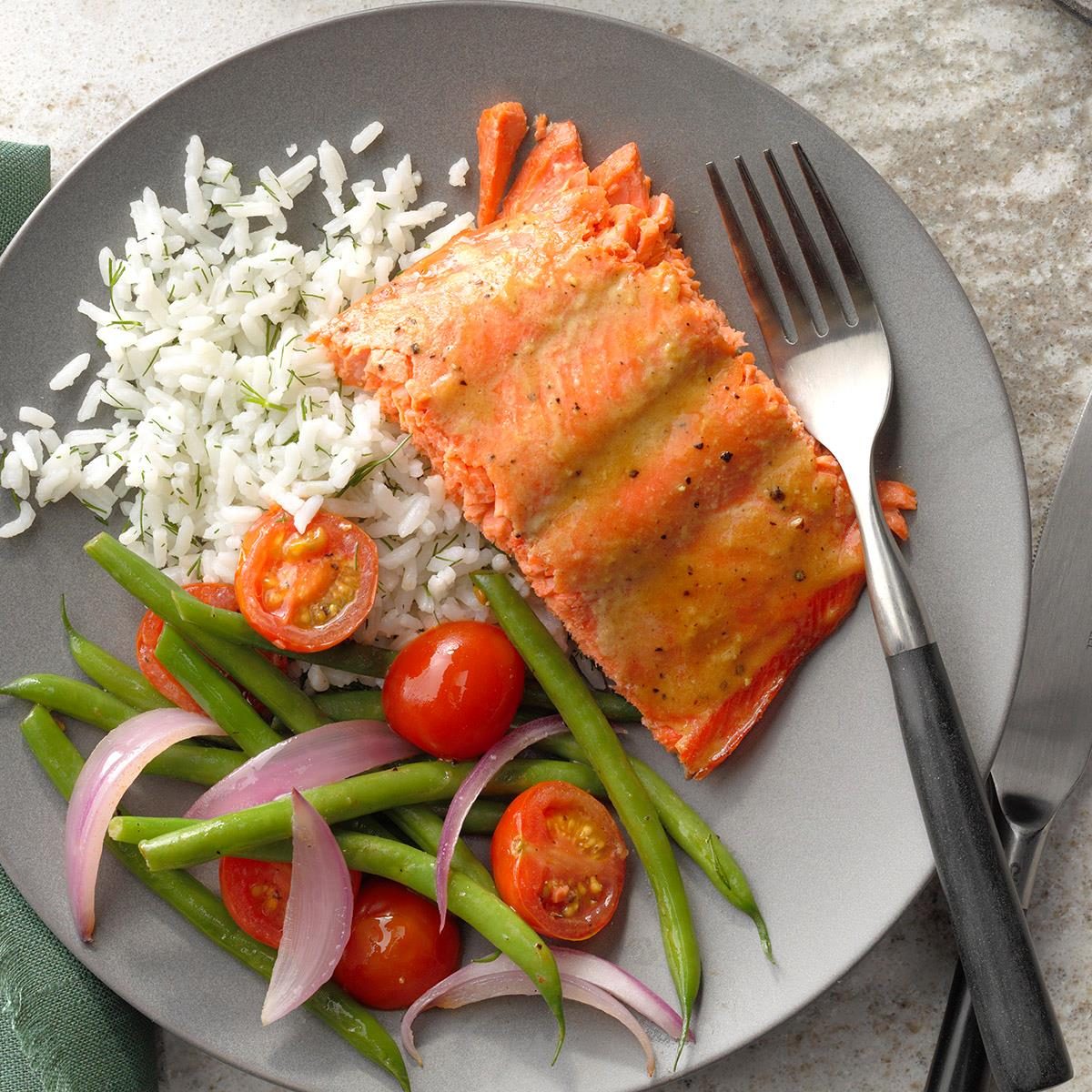
Imagine sinking your fork into a perfectly flaky piece of salmon, its rich flavor enhanced by a symphony of herbs and spices. Does the thought of recreating that restaurant-quality experience at home feel daunting? It doesn't have to be!
Many home cooks feel intimidated by the prospect of cooking fish, worrying about overcooking, dryness, or a lack of flavor. Sourcing high-quality ingredients, understanding cooking times, and mastering flavor combinations can also seem challenging. The fear of failing often prevents people from even attempting to prepare delicious, restaurant-worthy salmon dishes in their own kitchens.
This blog post is your guide to unlocking the secrets of restaurant-quality baked salmon, all from the comfort of your home. We'll explore 14 diverse and delicious recipes, each designed to be simple, accessible, and guaranteed to impress. Get ready to transform your kitchen into a culinary haven and wow your family and friends with your newfound salmon-baking skills.
From classic preparations to exciting flavor combinations, we'll equip you with the knowledge and inspiration to create perfect baked salmon every time. We will talk about techniques, recipes, history, history, and tips. With the right guidance, you can overcome those concerns and enjoy the satisfaction of serving truly exceptional salmon dishes. Let's dive in and discover the world of restaurant-quality baked salmon at home.
Personal Experience with Baked Salmon
My journey with baked salmon started with a disastrous attempt at a simple lemon-dill recipe. The fish was dry, the dill tasted overpowering, and the overall experience left me feeling defeated. I almost gave up on cooking salmon altogether! It wasn't until I started experimenting with different techniques and flavor profiles that I finally cracked the code. I vividly recall the moment I achieved that perfect balance of flaky texture and vibrant taste – a honey-garlic glazed salmon that had my family raving. That success fueled my desire to learn more and master the art of baking salmon.
Over the years, I've discovered that the key to restaurant-quality baked salmon lies in understanding a few fundamental principles. First, the quality of the salmon matters. Opt for wild-caught or sustainably farmed salmon for the best flavor and texture. Second, don't be afraid to experiment with different flavor combinations. Salmon is incredibly versatile and pairs well with a wide range of herbs, spices, and sauces. Finally, pay attention to cooking time. Overcooking is the biggest culprit behind dry, flavorless salmon. These 14 baked salmon recipes offer something for every palate and skill level. Whether you're a seasoned chef or a beginner cook, you'll find inspiration and guidance to create truly memorable salmon dishes. Prepare to impress your friends and family with your newfound culinary expertise. Salmon is not just a healthy meal option, but it is also a culinary adventure waiting to be explored. With the right techniques and recipes, you can transform your home kitchen into a haven for creating restaurant-quality salmon dishes.
What Exactly Is Restaurant-Quality Baked Salmon?
Restaurant-quality baked salmon goes beyond simply cooking the fish until it's done. It's about achieving a perfect balance of texture, flavor, and presentation that elevates the dish to a truly exceptional level. We're talking about salmon that's moist, flaky, and infused with delicious flavors that complement its natural richness. The skin should be crisp (if you choose to leave it on), and the overall presentation should be visually appealing, making it a feast for the eyes as well as the palate.
What sets restaurant-quality baked salmon apart is the attention to detail in every step of the process, from sourcing the freshest ingredients to mastering cooking techniques that preserve the salmon's delicate texture and flavor. It's not just about following a recipe; it's about understanding how different ingredients and techniques interact to create a truly memorable dining experience. This includes selecting high-quality salmon fillets, using the right marinade or rub to enhance the flavor, and carefully monitoring the cooking time to prevent overcooking. It also involves paying attention to details such as the thickness of the fillets and the oven temperature to ensure even cooking. Restaurant-quality baked salmon is not just a meal; it's a culinary experience that combines skill, knowledge, and passion to create a dish that delights the senses and leaves a lasting impression. It's about transforming a simple piece of fish into a gourmet delight that rivals anything you'd find in a high-end restaurant.
History and Myths Surrounding Baked Salmon
Salmon has been a staple food source for coastal communities around the world for centuries, with a rich history intertwined with culture, mythology, and survival. Archaeological evidence suggests that humans have been fishing for salmon for at least 10,000 years, with indigenous communities in North America holding salmon in particularly high regard, often revering it as a sacred gift from the gods.
Many myths and legends surround salmon, often portraying it as a symbol of abundance, prosperity, and rebirth. In some cultures, salmon are believed to possess supernatural powers, capable of traversing vast distances and returning to their birthplace to spawn. The act of salmon returning to their spawning grounds is often seen as a metaphor for life's cyclical nature and the importance of perseverance. One common myth is that eating salmon can bestow wisdom and knowledge, reflecting the fish's perceived intelligence and resilience. The practice of baking salmon, while a more recent development compared to traditional methods like smoking or grilling, has gained popularity as a healthy and delicious way to prepare this versatile fish. Over time, baked salmon has evolved from a simple home-cooked meal to a sophisticated culinary creation, with chefs around the world experimenting with different flavors and techniques to elevate its taste and presentation. Despite its widespread popularity, some myths and misconceptions about baking salmon persist. For example, some people believe that baking salmon is difficult and requires special skills, while others think that baked salmon is always dry and flavorless. However, with the right knowledge and techniques, anyone can create restaurant-quality baked salmon in their own kitchen.
The Hidden Secrets to Perfect Baked Salmon
The secret to truly exceptional baked salmon lies not just in the recipe, but in a few often-overlooked techniques that elevate the dish from good to extraordinary. One of the most important secrets is to pat the salmon dry before seasoning it. This helps the seasonings adhere better and promotes a crispy skin if you're baking it skin-on. Another key is to preheat your baking sheet. Placing the salmon on a hot surface ensures that it cooks evenly and prevents it from sticking.
Don't overcrowd the baking sheet; give each fillet enough space to cook properly. Using a meat thermometer is the most accurate way to determine doneness. Insert it into the thickest part of the salmon, and cook until it reaches an internal temperature of 145°F (63°C). Another hidden secret is to let the salmon rest for a few minutes after baking. This allows the juices to redistribute, resulting in a more moist and flavorful fillet. Consider using parchment paper or a silicone baking mat to prevent sticking and make cleanup easier. Experiment with different marinades and rubs to customize the flavor of your baked salmon. A simple combination of olive oil, lemon juice, garlic, and herbs can work wonders. Don't be afraid to try bolder flavors like soy sauce, ginger, or chili flakes. By mastering these hidden secrets, you'll be well on your way to creating restaurant-quality baked salmon that will impress your family and friends. The art of baking salmon is not just about following a recipe; it's about understanding the nuances of the cooking process and applying techniques that enhance the salmon's natural flavor and texture. With practice and attention to detail, you can transform your home kitchen into a gourmet haven for creating unforgettable salmon dishes.
Recommended Baked Salmon Recipes
When it comes to baked salmon, the possibilities are endless. Here are a few of my personal favorites that are sure to impress: Lemon Herb Baked Salmon: A classic for a reason, this recipe combines fresh lemon juice, fragrant herbs like dill and parsley, and a touch of garlic for a bright and refreshing flavor. Honey Garlic Glazed Salmon: This sweet and savory glaze adds a beautiful shine and a delicious depth of flavor to the salmon. It's perfect for those who enjoy a touch of sweetness in their dishes. Spicy Sriracha Baked Salmon: If you're a fan of heat, this recipe is for you. Sriracha sauce adds a fiery kick to the salmon, balanced by a touch of sweetness from honey or maple syrup.
Maple Dijon Glazed Salmon: The combination of maple syrup and Dijon mustard creates a sweet, tangy, and slightly spicy glaze that is perfect for salmon. The maple syrup adds a subtle sweetness, while the Dijon mustard provides a tangy kick and helps to balance the richness of the salmon. The glaze caramelizes beautifully in the oven, creating a sticky and flavorful coating that enhances the overall taste of the fish. The Dijon mustard helps to tenderize the salmon, ensuring that it remains moist and flaky during baking. For a complete meal, serve the Maple Dijon Glazed Salmon with roasted vegetables such as asparagus, Brussels sprouts, or sweet potatoes. You can also pair it with a side of quinoa or brown rice to create a balanced and nutritious dish. Feel free to add a sprinkle of fresh herbs like parsley or thyme before serving to enhance the aroma and visual appeal. These recipes are just a starting point. Don't be afraid to experiment with different flavors and ingredients to create your own signature baked salmon dishes. The key is to have fun and enjoy the process!
Flavor Combinations for Baked Salmon
Baked salmon is a blank canvas, ready to absorb and showcase a wide range of flavors. The best combinations complement the salmon's natural richness without overpowering it. Think about balancing richness with acidity, sweetness with spice, and earthiness with freshness. Consider a Mediterranean-inspired salmon with olives, sun-dried tomatoes, feta cheese, and oregano. Or, try an Asian-inspired salmon with soy sauce, ginger, garlic, sesame oil, and green onions. For a more rustic flavor, pair salmon with earthy vegetables like mushrooms, potatoes, and thyme. A touch of lemon or lime juice can brighten up any baked salmon dish, adding a refreshing zing that cuts through the richness of the fish.
Experiment with different herbs and spices to create unique flavor profiles. Dill, parsley, and chives are classic choices for salmon, but don't be afraid to try less common herbs like tarragon, cilantro, or mint. Spices like smoked paprika, cumin, and coriander can add warmth and depth to your baked salmon. Consider adding a touch of heat with chili flakes, cayenne pepper, or sriracha sauce. The best way to discover your favorite flavor combinations is to experiment and trust your taste buds. Start with a simple recipe and gradually add different ingredients until you find the perfect balance of flavors. Keep a record of your experiments so you can recreate your favorite combinations in the future. Remember, the key to successful baked salmon is to use high-quality ingredients and to cook the salmon until it is just cooked through. Overcooking can result in dry and flavorless salmon. By experimenting with different flavor combinations and cooking techniques, you can create restaurant-quality baked salmon that will impress your family and friends. The possibilities are endless, so don't be afraid to get creative and have fun in the kitchen!
Tips for Baking Salmon Perfectly Every Time
Achieving perfectly baked salmon is easier than you might think. Here are a few key tips to ensure success: Start with high-quality salmon. Fresh, wild-caught salmon is ideal, but sustainably farmed salmon can also be a good option. Look for fillets that are firm, moist, and have a vibrant color. Pat the salmon dry before seasoning. This helps the seasonings adhere better and promotes a crispy skin if you're baking it skin-on.
Preheat your oven to the correct temperature. A temperature of 375°F (190°C) is generally recommended for baking salmon, but you may need to adjust it depending on your oven. Use a baking sheet lined with parchment paper or a silicone baking mat. This prevents the salmon from sticking and makes cleanup easier. Season the salmon generously with your favorite herbs, spices, and seasonings. Don't be afraid to experiment with different flavors. Bake the salmon until it is just cooked through. The internal temperature should reach 145°F (63°C). Overcooking will result in dry and flavorless salmon. Let the salmon rest for a few minutes before serving. This allows the juices to redistribute, resulting in a more moist and flavorful fillet. Serve the salmon with your favorite sides. Roasted vegetables, rice, and quinoa are all great options. By following these tips, you can create restaurant-quality baked salmon that will impress your family and friends every time. Remember, the key to successful baking is to pay attention to detail and to experiment with different techniques and flavors. With practice and patience, you can become a master of baked salmon and create dishes that are both healthy and delicious. Don't be afraid to try new things and to have fun in the kitchen!
Choosing the Right Salmon for Baking
Selecting the right type of salmon is crucial for achieving optimal results when baking. Different varieties of salmon have different fat contents, textures, and flavor profiles, which can all impact the final outcome. Wild-caught salmon, such as sockeye, coho, and king salmon, tend to be leaner and have a more intense flavor than farmed salmon. Sockeye salmon is known for its vibrant red color and firm texture, while coho salmon has a milder flavor and a more delicate texture. King salmon, also known as Chinook salmon, is the fattiest and most flavorful of the wild-caught varieties.
Farmed salmon, typically Atlantic salmon, is generally more readily available and affordable than wild-caught salmon. It tends to be fattier and have a milder flavor, which can make it more forgiving to cook. When choosing farmed salmon, look for sustainably raised options that are certified by organizations such as the Aquaculture Stewardship Council (ASC). The cut of salmon you choose can also affect the baking process. Salmon fillets are a popular choice for baking, as they cook evenly and are easy to portion. Salmon steaks, which include the bone, can be more flavorful but may take longer to cook. No matter what type of salmon you choose, make sure it is fresh and of high quality. Look for salmon that is firm, moist, and has a vibrant color. Avoid salmon that has a fishy odor or appears dull or slimy. By choosing the right salmon for baking, you can ensure that your dish will be both delicious and nutritious. Consider your personal preferences, budget, and availability when making your selection, and don't be afraid to experiment with different varieties to find your favorite.
Fun Facts About Baked Salmon
Did you know that salmon can swim upstream for hundreds of miles to return to their birthplace to spawn? Or that the color of salmon flesh is determined by their diet? These are just a few of the fascinating facts about this remarkable fish. Salmon are anadromous, meaning they are born in freshwater, migrate to saltwater to grow and mature, and then return to freshwater to reproduce. This incredible journey requires immense strength and determination, as salmon must navigate rapids, waterfalls, and other obstacles along the way.
The color of salmon flesh ranges from pale pink to deep red, depending on the amount of astaxanthin in their diet. Astaxanthin is a carotenoid pigment found in the crustaceans and algae that salmon consume. Wild-caught salmon tend to have a more vibrant color than farmed salmon, as they have access to a more diverse diet. Salmon are a rich source of omega-3 fatty acids, which are essential for heart health and brain function. They are also a good source of protein, vitamins, and minerals. Baking salmon is a healthy and delicious way to prepare this versatile fish. It is a relatively quick and easy cooking method that preserves the salmon's natural flavor and nutrients. Salmon has been a staple food source for coastal communities around the world for centuries. Indigenous peoples in North America have long revered salmon as a sacred gift and have developed sustainable fishing practices to ensure its continued abundance. Salmon is not just a food source; it is also an important part of the ecosystem. Salmon provide food for a variety of animals, including bears, eagles, and seals. They also help to fertilize the forests with nutrients from the ocean. By learning more about salmon, we can better appreciate its importance and work to protect its populations for future generations.
How to Perfectly Bake Salmon
Baking salmon to perfection involves understanding a few key principles: temperature, time, and technique. Start by preheating your oven to 375°F (190°C). This ensures that the salmon cooks evenly and prevents it from drying out. Line a baking sheet with parchment paper or a silicone baking mat to prevent sticking and make cleanup easier.
Pat the salmon dry with paper towels. This helps the seasonings adhere better and promotes a crispy skin if you're baking it skin-on. Season the salmon generously with your favorite herbs, spices, and seasonings. A simple combination of olive oil, lemon juice, garlic, and herbs works well. Place the salmon on the prepared baking sheet and bake for 12-15 minutes, or until the internal temperature reaches 145°F (63°C). Use a meat thermometer to ensure accuracy. Overcooking will result in dry and flavorless salmon. Let the salmon rest for a few minutes before serving. This allows the juices to redistribute, resulting in a more moist and flavorful fillet. Serve the salmon with your favorite sides, such as roasted vegetables, rice, or quinoa. For a crispy skin, you can broil the salmon for the last minute or two of cooking. Keep a close eye on it to prevent burning. Don't be afraid to experiment with different flavor combinations and cooking techniques to find your perfect baked salmon recipe. With practice and patience, you can become a master of baked salmon and create dishes that are both healthy and delicious.
What If My Baked Salmon Is Dry?
Dry baked salmon is a common kitchen woe, but don't despair! Several factors can contribute to this issue, and understanding them is the first step to prevention. Overcooking is the most frequent culprit. Salmon is delicate and cooks quickly, so it's essential to monitor it closely and remove it from the oven as soon as it reaches an internal temperature of 145°F (63°C).
Another factor can be the type of salmon you use. Leaner varieties like sockeye are more prone to drying out than fattier varieties like king salmon. If you're using a leaner salmon, consider adding a little extra olive oil or butter to help keep it moist. High oven temperatures can also contribute to dryness. Stick to a moderate temperature of 375°F (190°C) to ensure even cooking and prevent the salmon from drying out too quickly. To salvage dry baked salmon, try drizzling it with a flavorful sauce or vinaigrette. A squeeze of lemon juice or a sprinkle of fresh herbs can also help to add moisture and flavor. You can also flake the dry salmon and use it in salads, sandwiches, or pasta dishes. To prevent dry baked salmon in the future, consider brining the salmon before cooking. Brining involves soaking the salmon in a saltwater solution for a short period of time. This helps to hydrate the salmon and prevents it from drying out during cooking. Another option is to cook the salmon en papillote, which involves wrapping it in parchment paper or foil with herbs, vegetables, and a little bit of liquid. This creates a steamy environment that helps to keep the salmon moist and flavorful. By understanding the causes of dry baked salmon and taking steps to prevent it, you can ensure that your salmon is always moist, flaky, and delicious.
Listicle: 14 Restaurant-Quality Baked Salmon Recipes
Ready to elevate your home cooking with restaurant-worthy salmon? Here's a listicle of 14 delicious baked salmon recipes to get you started: Classic Lemon-Dill Salmon, Honey-Glazed Salmon with Roasted Asparagus, Spicy Sriracha Salmon with Sesame Seeds, Teriyaki Salmon with Bok Choy, Mediterranean Salmon with Olives and Feta, Maple-Glazed Salmon with Brussels Sprouts, Balsamic-Glazed Salmon with Cherry Tomatoes, Garlic Herb Salmon with Parmesan Crust, Pesto-Crusted Salmon with Pine Nuts, Blackened Salmon with Mango Salsa, Ginger-Soy Salmon with Green Onions, Cajun-Spiced Salmon with Corn Relish, Lemon Pepper Salmon with Zucchini Noodles, and Creamy Dill Salmon with Mashed Potatoes.
Each of these recipes offers a unique flavor profile and is designed to be simple and accessible for home cooks. From the bright and refreshing flavors of lemon and dill to the sweet and savory notes of honey and teriyaki, there's a baked salmon recipe to suit every palate. The key to success is to use high-quality salmon, pay attention to cooking time, and don't be afraid to experiment with different flavor combinations. Many of these recipes can be easily customized to suit your dietary needs and preferences. For example, you can use gluten-free soy sauce in the teriyaki salmon recipe or substitute maple syrup for honey in the honey-glazed salmon recipe. You can also add or subtract ingredients to suit your taste. These recipes are just a starting point. Don't be afraid to get creative and develop your own signature baked salmon dishes. With a little practice, you'll be able to impress your family and friends with restaurant-quality baked salmon that is both healthy and delicious. Whether you're a seasoned chef or a beginner cook, these recipes will inspire you to explore the endless possibilities of baked salmon.
Question and Answer About 14 Baked Salmon Recipes That Are Restaurant-Quality at Home
Q: What's the best type of salmon for baking?
A: Fattier varieties like King or Atlantic salmon are more forgiving and stay moist, but Sockeye also works well if you watch the cooking time closely.
Q: How do I prevent my salmon from sticking to the pan?
A: Line your baking sheet with parchment paper or a silicone baking mat for easy release and cleanup.
Q: What temperature should I bake salmon at?
A: A temperature of 375°F (190°C) is ideal for baking salmon, but you may need to adjust it depending on your oven.
Q: How do I know when my salmon is done?
A: The internal temperature should reach 145°F (63°C). The salmon should also flake easily with a fork.
Conclusion of 14 Baked Salmon Recipes That Are Restaurant-Quality at Home
Armed with these 14 diverse and delicious baked salmon recipes, you're well on your way to creating restaurant-quality meals in your own kitchen. Remember, the key to success lies in using high-quality ingredients, mastering essential techniques, and experimenting with different flavor combinations. Don't be afraid to get creative and adapt these recipes to your own tastes. With a little practice and patience, you'll be able to impress your family and friends with perfectly baked salmon that is both healthy and delicious. So, fire up your oven and get ready to embark on a culinary adventure!

Post a Comment
Post a Comment