8 Easy Scallop Recipes for Restaurant-Quality Seafood


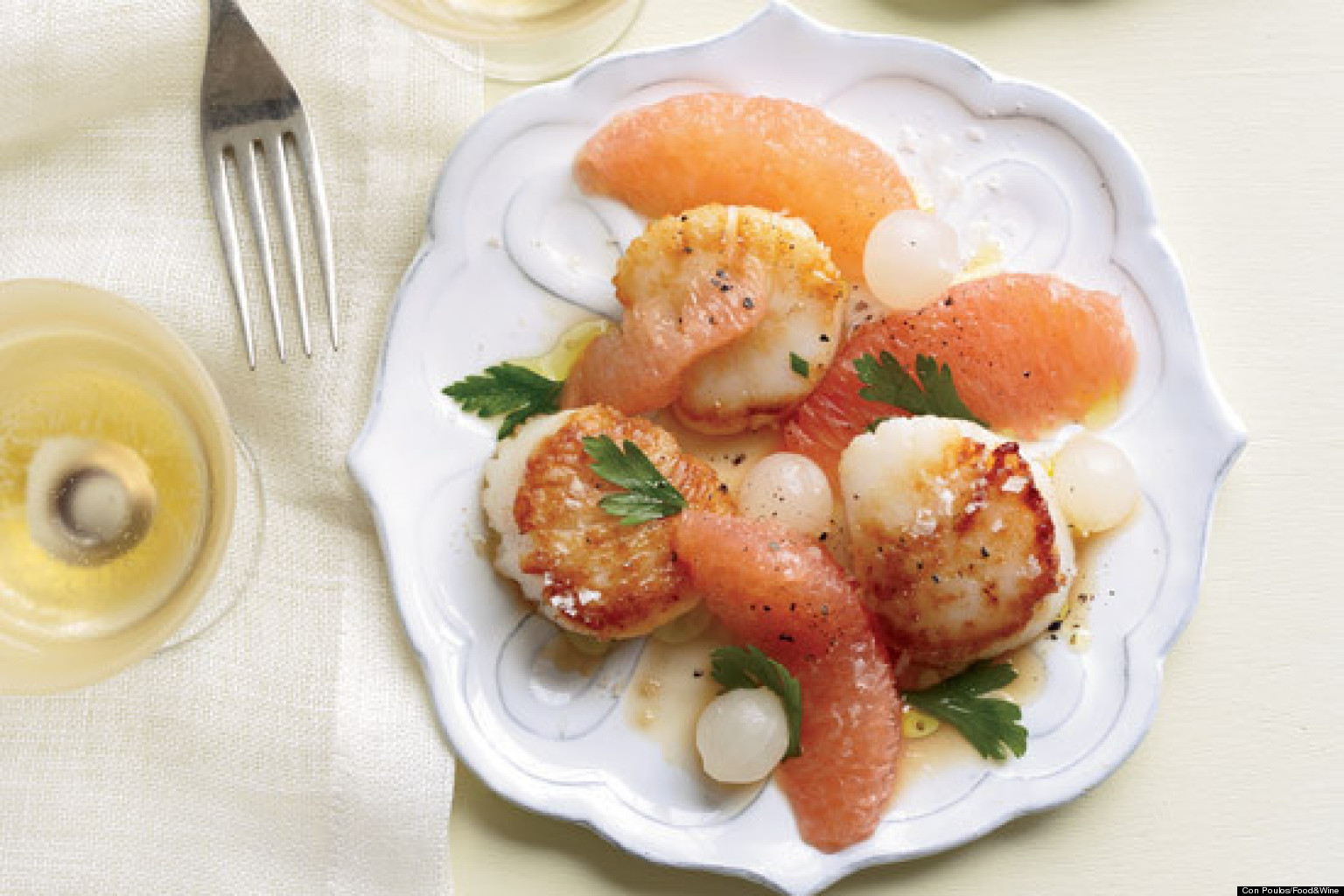
Imagine impressing your guests with perfectly seared scallops, glistening under a lemon-butter sauce, all from the comfort of your own kitchen. Sounds too difficult? It doesn't have to be!
Are you tired of expensive restaurant bills for mediocre seafood? Do you crave that delicate, melt-in-your-mouth scallop experience but worry about overcooking them into rubbery disappointment? Do you wish you could recreate those amazing scallop dishes you’ve savored in fancy restaurants without spending hours in the kitchen?
This blog post is your guide to achieving restaurant-quality scallop dishes at home, without the fuss or complicated techniques. We're diving into eight easy scallop recipes that will transform your weeknight dinners and impress even the most discerning palates. Get ready to unlock the secrets to perfectly cooked, flavorful scallops every time!
We'll be exploring eight simple yet delicious scallop recipes that will elevate your home cooking. From classic pan-seared scallops with lemon-butter sauce to creative twists like bacon-wrapped scallops and scallop ceviche, you'll discover a variety of ways to enjoy this delectable seafood. You'll also learn essential tips and tricks for selecting the freshest scallops, mastering the perfect sear, and creating flavorful sauces that complement their delicate sweetness. Get ready to impress your family and friends with restaurant-quality scallop dishes made right in your own kitchen! Keywords: scallop recipes, easy seafood, restaurant-quality scallops, pan-seared scallops, seafood recipes, quick dinners.
Why Scallops Are a Chef's Secret Weapon
Scallops have always seemed intimidating to me. I remember trying to cook them for a special anniversary dinner a few years ago. I meticulously followed a recipe I found online, but the result was...disappointing. They were either undercooked and mushy or overcooked and tough. I was so frustrated! I almost gave up on cooking scallops altogether. But I was determined to master this seemingly elusive ingredient. I started researching different cooking methods, watching videos of professional chefs, and experimenting with various flavor combinations. I learned that the key to perfectly cooked scallops is to start with high-quality ingredients, use a screaming hot pan, and avoid overcrowding the pan. It's also crucial not to overcook them, as they become rubbery very quickly. Through trial and error, I eventually developed a few go-to scallop recipes that I can confidently make for any occasion.
Scallops are indeed a chef's secret weapon because they are incredibly versatile and cook incredibly quickly. When prepared well, they offer a tender, slightly sweet taste that is a culinary delight. From the simplest preparation of pan-seared scallops with butter and lemon to more complex dishes featuring exotic spices and sauces, scallops provide a blank canvas for culinary creativity. Their ability to pair well with various flavors, from bright citrus notes to earthy herbs and rich butter sauces, makes them a favorite among professional chefs. A perfectly seared scallop, with its caramelized crust and delicate interior, can elevate any dish, adding a touch of luxury and sophistication.
Debunking Common Scallop Myths
Many people assume that cooking scallops is difficult or requires special skills, which can discourage them from even trying. One of the biggest myths is that all scallops are the same. However, there are two main types of scallops commonly available: sea scallops and bay scallops. Sea scallops are larger and have a firmer texture, while bay scallops are smaller and more delicate. The cooking time and methods vary slightly between the two, so it's important to know which type you're working with. Another myth is that scallops are always expensive. While it's true that high-quality scallops can be pricey, you can often find affordable options, especially if you buy them in season or from a reputable fishmonger.
The truth is that with a few simple techniques and a little bit of practice, anyone can cook scallops perfectly. One of the most important things to remember is to pat the scallops dry before cooking them. This helps them develop a beautiful sear and prevents them from steaming instead of browning. Using a very hot pan and a little bit of oil or butter is also crucial. Another common mistake is overcrowding the pan, which lowers the temperature and prevents the scallops from browning properly. It's best to cook them in batches, ensuring that each scallop has enough space to sear evenly. With these tips in mind, you'll be well on your way to creating restaurant-quality scallop dishes at home.
Scallops: A Journey Through History and Myth
Scallops have a rich history and have been intertwined with mythology and symbolism throughout the ages. In ancient Greek mythology, the scallop shell was associated with Aphrodite, the goddess of love and beauty, who was often depicted emerging from the sea on a scallop shell. This association led to the scallop shell becoming a symbol of pilgrimage and rebirth in Christian art. Pilgrims traveling to the shrine of Saint James in Santiago de Compostela, Spain, would often wear a scallop shell as a symbol of their journey.
Throughout history, scallops have been a prized food source in many cultures. Archaeological evidence suggests that humans have been eating scallops for thousands of years. In medieval Europe, scallops were considered a delicacy and were often served at feasts and banquets. Today, scallops are enjoyed all over the world in a variety of dishes, from simple pan-seared preparations to elaborate seafood stews. Their delicate flavor and tender texture make them a versatile ingredient that can be used in countless culinary creations. Whether you're a seasoned chef or a novice cook, scallops offer a delicious and rewarding culinary experience. Their connection to history and myth adds an extra layer of intrigue to this already fascinating seafood.
The Hidden Secret to Perfectly Seared Scallops
The real secret to those beautifully seared scallops you see in restaurants isn't some fancy technique or expensive equipment. It's all about moisture control! Scallops naturally contain a lot of water, and if you don't remove that excess moisture before cooking, they'll steam instead of sear. The result? Pale, rubbery scallops that lack that desirable caramelized crust. The secret is thoroughly patting the scallops dry with paper towels before cooking. Be gentle but firm, and don't be afraid to use multiple paper towels. You want to remove as much surface moisture as possible.
Another important trick is to use a screaming hot pan. A cast-iron skillet is ideal for this, as it retains heat well and provides even cooking. Make sure the pan is hot before adding any oil or butter. You should see a shimmer in the oil and it should be almost smoking. When you add the scallops to the pan, don't overcrowd it. Overcrowding lowers the temperature of the pan and prevents the scallops from browning properly. Cook them in batches, if necessary. Finally, resist the urge to move the scallops around while they're searing. Let them sit undisturbed for a few minutes until they develop a golden-brown crust. Then, flip them over and sear the other side for a couple of minutes. With these simple tips, you'll be able to achieve perfectly seared scallops every time.
Top Recommendations for Buying the Best Scallops
Choosing the right scallops is crucial for creating a delicious and memorable dish. When buying scallops, look for ones that are dry and not sitting in a pool of liquid. Scallops that are labeled "dry-packed" are preferable because they haven't been treated with phosphates, which can cause them to absorb water and lose their natural sweetness. Wet-packed scallops tend to be cheaper, but they often shrink and become rubbery when cooked.
Fresh scallops should have a sweet, briny aroma and a firm, slightly translucent appearance. Avoid scallops that smell fishy or ammonia-like, as this indicates that they are not fresh. The color of scallops can vary depending on their diet and origin, but generally, they should be creamy white or light beige. Stay away from scallops that are excessively white or appear bleached, as this may be a sign of chemical treatment. If possible, buy your scallops from a reputable fishmonger or seafood market. They can provide you with information about the scallops' origin and freshness. You can also ask them to recommend the best type of scallops for your intended dish. By following these tips, you can ensure that you're buying the best possible scallops for your culinary creations.
Understanding Scallop Sizes and Types
Scallops come in various sizes and types, each with its own unique characteristics and culinary applications. Sea scallops are the largest type of scallop and are typically sold by count per pound. The most common sizes are U-10 (under 10 scallops per pound), 10-20, and 20-30. The "U" designation indicates that the scallops are "under" a certain number per pound. Sea scallops have a firm texture and a sweet, slightly briny flavor. They are ideal for pan-searing, grilling, or baking.
Bay scallops, on the other hand, are much smaller than sea scallops and have a more delicate texture and flavor. They are typically sold by volume, such as pints or quarts. Bay scallops are best suited for dishes where their delicate flavor can shine, such as salads, pasta sauces, or ceviche. Another type of scallop is the calico scallop, which is smaller than sea scallops but larger than bay scallops. Calico scallops have a slightly tougher texture and a less pronounced flavor than sea scallops. They are often used in processed seafood products, such as imitation crab meat. When choosing scallops, consider the size and type that best suits your recipe and your personal preferences. Experimenting with different types of scallops can be a fun and rewarding way to expand your culinary horizons.
Essential Tips for Cooking Scallops Perfectly
Cooking scallops perfectly is all about technique and attention to detail. Here are some essential tips to ensure that your scallops turn out tender, flavorful, and beautifully seared every time. First and foremost, always start with high-quality scallops. Fresh, dry-packed scallops are the best choice, as they haven't been treated with phosphates and will sear more effectively. Before cooking, thoroughly pat the scallops dry with paper towels to remove excess moisture. This is crucial for achieving a good sear.
Use a heavy-bottomed skillet, preferably cast iron, to ensure even heat distribution. Heat the pan over high heat until it's very hot, then add a small amount of oil or butter. Make sure the oil is shimmering before adding the scallops. Don't overcrowd the pan, as this will lower the temperature and prevent the scallops from browning properly. Cook them in batches if necessary. Sear the scallops for 2-3 minutes per side, until they develop a golden-brown crust. Avoid overcooking them, as they will become rubbery. Once cooked, remove the scallops from the pan and season them with salt and pepper to taste. You can also add a squeeze of lemon juice or a drizzle of olive oil for extra flavor. Serve immediately and enjoy!
Troubleshooting Common Scallop Cooking Problems
Even with the best intentions, things can sometimes go wrong when cooking scallops. Here are some common problems and how to troubleshoot them. If your scallops are rubbery, it's likely that you've overcooked them. Scallops cook very quickly, so it's important to watch them carefully and remove them from the heat as soon as they're cooked through. Another common problem is scallops that don't sear properly. This can be caused by several factors, including using wet-packed scallops, overcrowding the pan, or not using a hot enough pan. Make sure to use dry-packed scallops, cook them in batches, and use a screaming hot pan to achieve a good sear.
If your scallops are sticking to the pan, it could be that the pan isn't hot enough or that you haven't used enough oil. Make sure the pan is very hot before adding the scallops, and use a generous amount of oil or butter to prevent sticking. If your scallops are bland, try adding more seasoning. Salt and pepper are essential, but you can also experiment with other herbs and spices, such as garlic powder, paprika, or cayenne pepper. A squeeze of lemon juice can also brighten up the flavor of scallops. By troubleshooting these common problems, you can improve your scallop cooking skills and create delicious dishes every time.
Fun Facts About Scallops
Did you know that scallops have eyes? Unlike most shellfish, scallops have numerous small, bright blue eyes along the edge of their mantle. These eyes can detect movement and changes in light, allowing the scallops to avoid predators. Another interesting fact is that scallops are hermaphrodites, meaning they have both male and female reproductive organs. However, they typically reproduce by releasing either sperm or eggs into the water, rather than self-fertilizing.
Scallops are also filter feeders, meaning they strain tiny particles of food from the water. They play an important role in maintaining water quality by removing algae and other organic matter. The scallop shell is a symbol of pilgrimage and rebirth in Christian art, representing the journey to the shrine of Saint James in Santiago de Compostela, Spain. Scallops are found in oceans all over the world, from the cold waters of the North Atlantic to the warm waters of the Caribbean. They are a versatile and delicious seafood that has been enjoyed by humans for thousands of years. These fun facts highlight the unique and fascinating nature of scallops, making them even more enjoyable to eat and appreciate.
How to Choose the Perfect Scallop Recipe
With so many scallop recipes available, it can be challenging to choose the perfect one for your taste and skill level. Consider your personal preferences and the occasion when selecting a recipe. If you're looking for a quick and easy weeknight meal, pan-seared scallops with lemon-butter sauce or bacon-wrapped scallops are excellent choices. These recipes require minimal ingredients and can be prepared in under 30 minutes. For a more elegant dinner party, consider scallop risotto or scallop ceviche. These dishes require a bit more time and effort but are sure to impress your guests.
Think about the flavors and ingredients that you enjoy. Do you prefer classic combinations like lemon and butter, or are you looking for something more adventurous? Experiment with different herbs, spices, and sauces to create a dish that suits your palate. Also, consider your skill level and the time you have available. Don't be afraid to start with a simple recipe and gradually work your way up to more complex dishes as you gain confidence. The most important thing is to have fun and enjoy the process of cooking with scallops. With a little bit of experimentation, you'll be able to find the perfect scallop recipe for any occasion.
What if You Can't Find Fresh Scallops?
Sometimes, finding fresh scallops can be a challenge, depending on your location and the time of year. But don't worry, there are still ways to enjoy delicious scallop dishes even if you can't get your hands on fresh ones. Frozen scallops can be a good alternative, as they are often frozen soon after being harvested, preserving their quality and flavor. When buying frozen scallops, look for ones that are individually quick-frozen (IQF), as they are less likely to clump together and will thaw more evenly.
Thaw the scallops in the refrigerator overnight, or use the cold water method for a quicker thaw. Place the frozen scallops in a resealable plastic bag and submerge them in a bowl of cold water for about 30 minutes, changing the water every 10 minutes. Once thawed, pat the scallops dry with paper towels to remove excess moisture. Frozen scallops may release more water than fresh scallops, so it's especially important to dry them thoroughly. When cooking frozen scallops, be careful not to overcook them, as they can become rubbery more easily than fresh scallops. Adjust the cooking time accordingly and monitor them closely. With a few simple adjustments, you can create delicious scallop dishes using frozen scallops, even if fresh ones are not available.
8 Easy Scallop Recipes for Restaurant-Quality Seafood: A Listicle
Ready to elevate your seafood game? Here are eight easy scallop recipes that will transport you to a fancy restaurant without ever leaving your kitchen:
1.Pan-Seared Scallops with Lemon-Butter Sauce: A classic for a reason! Simple, elegant, and always a crowd-pleaser.
2.Bacon-Wrapped Scallops: Crispy bacon and sweet scallops – a match made in culinary heaven.
3.Scallop Ceviche: A refreshing and vibrant dish with a citrusy kick. Perfect for a light lunch or appetizer.
4.Scallop Scampi with Linguine: A quick and easy pasta dish with a rich and flavorful sauce.
5.Grilled Scallop Skewers with Mango Salsa: A tropical twist on grilled seafood.
6.Scallop and Corn Chowder: A creamy and comforting soup perfect for a chilly evening.
7.Scallop Risotto: A decadent and flavorful rice dish that's surprisingly easy to make.
8.Seared Scallop Salad with Citrus Vinaigrette: A light and healthy salad with perfectly seared scallops and a tangy dressing.
Question and Answer
Q: What's the best way to thaw frozen scallops?
A: The best way to thaw frozen scallops is in the refrigerator overnight. If you're short on time, you can thaw them in a bowl of cold water for about 30 minutes, changing the water every 10 minutes.
Q: How do I know when scallops are cooked through?
A: Scallops are cooked through when they are opaque and firm to the touch. Avoid overcooking them, as they will become rubbery.
Q: Can I use bay scallops instead of sea scallops in these recipes?
A: Yes, you can substitute bay scallops for sea scallops in many of these recipes. However, keep in mind that bay scallops are smaller and more delicate, so they may require a shorter cooking time.
Q: What's the secret to getting a good sear on scallops?
A: The secret to getting a good sear on scallops is to pat them dry with paper towels to remove excess moisture, use a screaming hot pan, and avoid overcrowding the pan.
Conclusion of 8 Easy Scallop Recipes for Restaurant-Quality Seafood
With these eight easy scallop recipes and essential tips, you're now equipped to create restaurant-quality seafood dishes in your own kitchen. Don't be afraid to experiment with different flavors and techniques, and most importantly, have fun! Whether you're impressing guests or simply treating yourself to a delicious meal, perfectly cooked scallops are sure to elevate your dining experience. So, grab some fresh scallops, fire up the stove, and get ready to unleash your inner chef!

Post a Comment
Post a Comment