Homemade Pita Bread Recipe: Fluffy Pockets Every Time


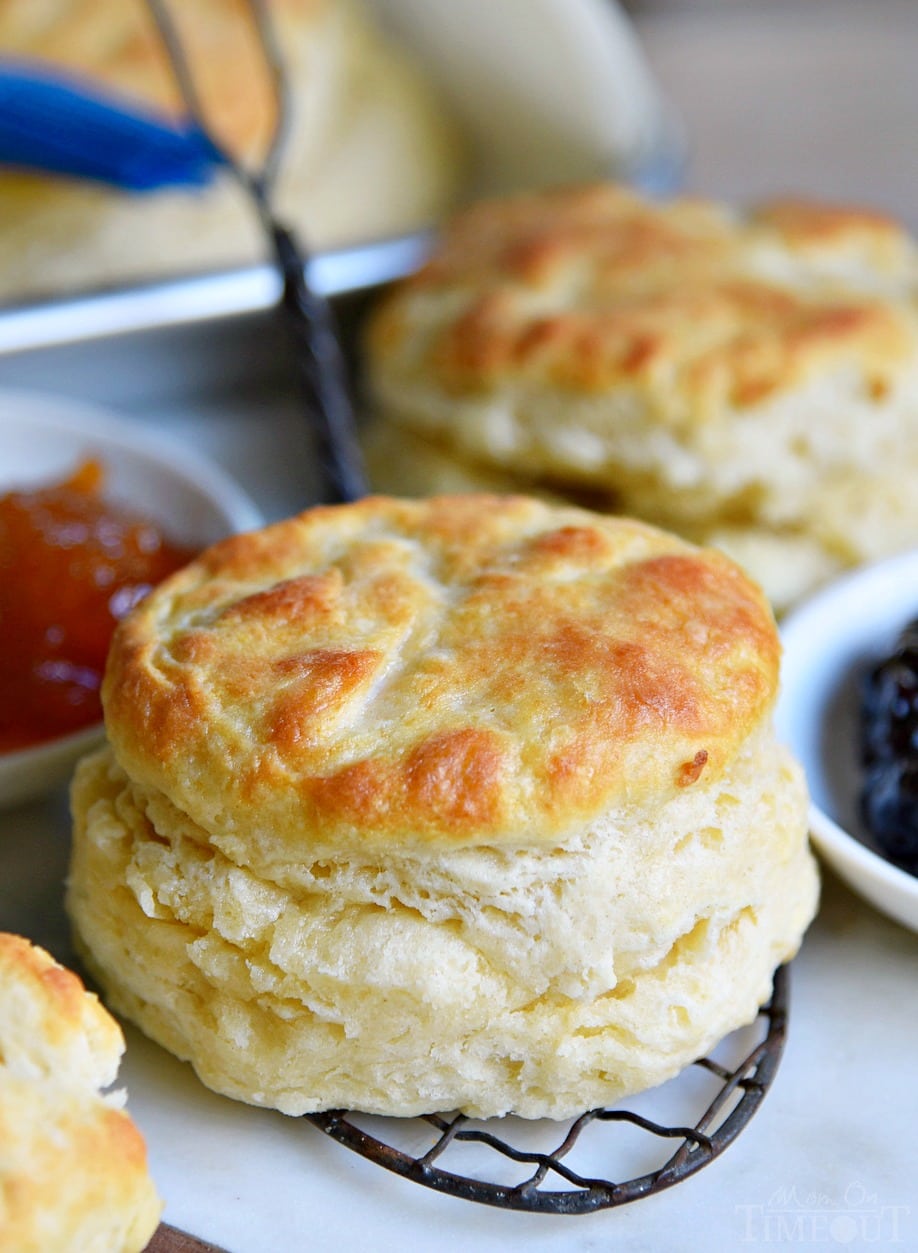
Imagine biting into a warm, soft pita bread, perfectly puffed and ready to cradle your favorite fillings. Forget store-bought versions that are often dry and lifeless! With this recipe, you can create authentic, fluffy pita bread right in your own kitchen, guaranteeing delicious pockets every single time.
Have you ever tried making pita bread at home, only to end up with flat, dense discs instead of those coveted airy pockets? Or maybe the dough was too sticky, the baking process too complicated, and the overall result just not worth the effort? It can be frustrating to spend time and energy on a recipe that doesn't deliver the desired outcome.
This blog post is your comprehensive guide to mastering homemade pita bread. I'll walk you through each step of the process, from mixing the dough to baking it to golden perfection. You'll learn the secrets to achieving that signature puff, ensuring every pita is a perfect vessel for your favorite dips, sandwiches, and more. Get ready to impress your friends and family with your newfound baking skills!
In this article, we'll unlock the secrets to consistently making soft, pliable pita bread with perfect pockets. We'll explore the importance of proper dough hydration, kneading techniques, resting times, and high-temperature baking. Get ready to ditch the store-bought stuff and embrace the rewarding experience of creating your own delicious pita bread from scratch.
My Pita Bread Journey
My earliest attempts at homemade pita bread were, to put it mildly, disastrous. I envisioned beautifully puffed pockets, but instead, I got hockey pucks. Flat, dense, and utterly unappetizing. I remember one particularly frustrating afternoon when I threw a particularly stubborn piece of dough (not recommended, by the way). It bounced. It literally bounced.
Determined to succeed, I devoured countless recipes, watched online tutorials, and even consulted my grandmother, a seasoned baker. I experimented with different flours, hydration levels, and baking techniques. Slowly, painstakingly, I began to understand the nuances of pita bread making. The key, I discovered, was a combination of proper dough handling, sufficient resting time, and a screaming hot oven. The hydration is so important to get right, not too much and not too little. After perfecting my recipe and technique, it worked out well.
Now, the aroma of freshly baked pita bread filling my kitchen is one of my favorite things. The satisfaction of watching those pockets puff up in the oven never gets old. And the taste? Infinitely better than anything you can buy at the store. So come, join me, I'm willing to share my secret!
What Exactly is Pita Bread?
Pita bread, at its core, is a simple unleavened or lightly leavened flatbread. It's characterized by its ability to form a pocket when baked, making it ideal for stuffing with various fillings. The pocket is created by steam trapped within the dough during high-temperature baking, causing the layers to separate. It's also a good source of protein.
While the exact origins of pita bread are debated, it's believed to have originated in the Middle East thousands of years ago. Its versatility and portability made it a staple food for nomadic cultures. Over time, pita bread spread throughout the Mediterranean and beyond, becoming a beloved bread in various cuisines. Its appeal lies in its simplicity, its adaptability, and its unique texture.
Pita bread's ingredients are straightforward: flour, water, yeast (or a starter), and salt. The magic happens in the proportions, the kneading, and the baking. The dough needs to be properly hydrated to create the steam necessary for pocket formation. The high-temperature oven is crucial for rapid cooking and puffing. And the resting time allows the gluten to relax, resulting in a soft and pliable bread.
A History of Pita Bread
The history of pita bread is long and fascinating, stretching back thousands of years. Evidence suggests that flatbreads similar to pita were consumed in the Middle East as early as 3500 BC. These early versions were likely unleavened and cooked on hot stones or in simple ovens. As civilizations developed, so did the techniques for making bread, leading to the pita bread we know today.
Myths and legends surrounding pita bread abound. Some believe that the pocket represents a vessel for carrying blessings or good fortune. Others see it as a symbol of hospitality, a way to share food and connect with others. Whatever the symbolism, pita bread has always been more than just a food; it's a cultural icon, a symbol of tradition and community.
The journey of pita bread across continents is a testament to its enduring appeal. From the bustling markets of the Middle East to the vibrant streets of the Mediterranean, pita bread has found a home in diverse cultures. Each region has its own unique variations, reflecting local ingredients and culinary traditions. But the essence remains the same: a simple, versatile bread that brings people together.
The Hidden Secret to Perfect Pockets
So, what's the secret to consistently achieving those coveted pita pockets? It's not just one thing, but a combination of factors working in harmony. However, if I had to pick one element that stands out, it would be proper dough hydration. The right amount of water is crucial for creating the steam necessary for the pita to puff up in the oven and create the pocket.
Too little water, and the dough will be dry and dense, resulting in flat, hard pitas. Too much water, and the dough will be sticky and difficult to handle, making it hard to shape and bake properly. The ideal hydration level will vary depending on the type of flour you use, but a good starting point is around 65-70% hydration (meaning 65-70 grams of water for every 100 grams of flour). Start with the lesser amount, and then go higher.
Experimenting with hydration levels is key to finding what works best for you. Pay attention to how the dough feels – it should be soft and pliable, but not sticky. As you knead, the dough will become smoother and more elastic. Don't be afraid to adjust the amount of water slightly until you achieve the desired consistency. Once you master the art of dough hydration, you'll be well on your way to perfect pita pockets every time.
Recommendations for Best Results
To truly elevate your homemade pita bread, consider investing in a few key tools and ingredients. A good quality stand mixer can make kneading a breeze, especially if you're making a large batch of dough. A pizza stone or baking steel will help retain heat in your oven, ensuring that the pitas bake quickly and evenly. And a kitchen scale is essential for accurately measuring ingredients, especially when it comes to hydration.
When it comes to ingredients, opt for high-quality flour. Bread flour, with its higher protein content, is ideal for creating a strong gluten structure, which is essential for a good rise. You can also experiment with different types of flour, such as whole wheat or semolina, to add flavor and texture. Fresh yeast is another key ingredient. If using active dry yeast, be sure to proof it in warm water before adding it to the dough. This will ensure that it's active and ready to leaven the bread.
Finally, don't be afraid to experiment with different flavors and additions. Try adding herbs, spices, or even a touch of honey to the dough for a unique twist. You can also brush the pitas with olive oil and sprinkle them with sesame seeds before baking for added flavor and texture. The possibilities are endless!
Understanding Dough Hydration
Dough hydration is a critical aspect of bread making, including pita bread. It refers to the ratio of water to flour in a dough recipe. This ratio significantly affects the dough's texture, elasticity, and the final product's crumb and overall quality. Understanding and controlling hydration is key to achieving the desired results, especially in pita bread where the pocket formation relies heavily on steam generated from the water in the dough.
Too little water results in a dry, stiff dough that's difficult to work with and produces a dense, hard bread. On the other hand, too much water leads to a sticky, slack dough that's challenging to shape and can result in a flat, misshapen bread. The ideal hydration level allows the gluten to develop properly, creating a dough that's strong enough to hold its shape but also extensible enough to stretch and puff up during baking.
Factors such as the type of flour used, the humidity in the environment, and the desired texture of the final product can influence the optimal hydration level. Experimentation is often necessary to find the perfect balance for your specific conditions and preferences. Start with a recommended hydration percentage for your recipe and adjust as needed based on the dough's feel and behavior. Remember, a well-hydrated dough is the foundation for a perfectly puffed pita bread.
Essential Tips for Pita Perfection
Achieving pita perfection requires attention to detail and a willingness to experiment. Here are some essential tips to help you along the way: First, proof your yeast. This ensures that your yeast is active and will properly leaven the dough. Simply dissolve the yeast in warm water with a pinch of sugar and let it sit for 5-10 minutes until foamy.
Next, knead the dough properly. Kneading develops the gluten, which is essential for creating a strong and elastic dough. Knead the dough for at least 8-10 minutes, or until it's smooth and supple. Don't over-knead, as this can make the dough tough. After kneading, allow the dough to rest. This allows the gluten to relax and makes the dough easier to work with. Let the dough rest in a warm place for at least an hour, or until it has doubled in size.
Finally, bake the pitas at a high temperature. This creates the steam needed for the pitas to puff up and form pockets. Preheat your oven to the highest temperature possible, ideally with a pizza stone or baking steel inside. Bake the pitas for just a few minutes per side, or until they are puffed and lightly browned. And most importantly, don't be afraid to experiment! Pita bread making is a process of learning and refinement. The best way to learn is to practice and experiment with different techniques and ingredients until you find what works best for you.
The Role of Gluten Development
Gluten development is a pivotal process in pita bread making, influencing the dough's elasticity, strength, and ultimately, its ability to form the characteristic pocket. Gluten is a protein complex formed when glutenin and gliadin, found in wheat flour, are hydrated and mixed. Kneading the dough further encourages gluten development, creating a network of protein strands that trap gases produced by yeast, leading to the dough's rise.
In pita bread, proper gluten development is crucial. It provides the dough with the structural integrity needed to hold its shape and withstand the high heat of the oven without collapsing. A well-developed gluten network allows the steam generated during baking to stretch the dough, creating a separation between the layers and forming the pocket. If the gluten is underdeveloped, the dough may lack the strength to trap the steam, resulting in flat, dense pitas.
Factors like the type of flour used, the hydration level of the dough, and the duration and intensity of kneading all contribute to gluten development. High-protein flours, like bread flour, promote stronger gluten formation. Adequate hydration is necessary for the gluten proteins to hydrate and align. And thorough kneading ensures that the gluten network is well-developed and evenly distributed throughout the dough. Mastering gluten development is therefore a key step towards achieving pita bread with perfect pockets.
Fun Facts About Pita Bread
Did you know that pita bread is also known as Arabic bread, Syrian bread, or Lebanese bread, depending on the region? It's a testament to its widespread popularity and cultural significance across the Middle East and beyond. And while we often associate pita bread with savory dishes, it can also be used in sweet preparations. Try grilling it with a drizzle of honey and a sprinkle of cinnamon for a delicious dessert.
Pita bread has even made its way into popular culture. It's been featured in countless cookbooks, television shows, and movies. Its versatility and accessibility have made it a beloved staple in households around the world. And its simple ingredients and straightforward preparation make it a perfect choice for beginner bakers. It is very tasty when it's combined with hummus.
Whether you're stuffing it with falafel, dipping it in hummus, or simply enjoying it on its own, pita bread is a delicious and satisfying bread that is sure to please. Its rich history, cultural significance, and versatility make it a truly unique and special food. So, the next time you enjoy a warm, fluffy pita, take a moment to appreciate its journey and the countless cultures that have embraced it.
How to Make Homemade Pita Bread
Making pita bread at home may seem daunting, but it's actually quite simple with the right recipe and techniques. First, gather your ingredients: flour, water, yeast, salt, and a touch of sugar (optional). Combine the ingredients in a bowl and knead until a smooth, elastic dough forms. Let the dough rest in a warm place for an hour or two, until doubled in size.
Next, divide the dough into equal-sized portions and shape them into rounds. Let the rounds rest for another 15-20 minutes, then roll them out into thin circles. Preheat your oven to the highest temperature possible, ideally with a pizza stone or baking steel inside. Place the pita rounds on the hot surface and bake for just a few minutes per side, until they puff up and are lightly browned.
Remove the pitas from the oven and let them cool slightly before enjoying. They're best served warm, stuffed with your favorite fillings. With a little practice, you'll be able to create delicious, homemade pita bread that rivals anything you can buy at the store. So, grab your ingredients and get ready to bake!
What if Your Pita Doesn't Puff?
Sometimes, despite our best efforts, our pita bread stubbornly refuses to puff up. Don't despair! There are several reasons why this might happen, and most of them are easily fixable. One common culprit is insufficient heat. If your oven isn't hot enough, the dough won't puff up properly. Make sure your oven is preheated to the highest temperature possible, and consider using a pizza stone or baking steel to help retain heat.
Another possible reason is that the dough is too dry. If the dough doesn't have enough moisture, it won't create the steam necessary for puffing. Try adding a little more water to the dough next time, a tablespoon at a time, until it reaches the desired consistency. The dough isn't dry, make sure that the oven is hot enough.
Finally, the dough may not have been kneaded enough. Kneading develops the gluten, which is essential for creating a strong and elastic dough. Make sure you knead the dough for at least 8-10 minutes, or until it's smooth and supple. With a little troubleshooting, you'll be able to identify the cause of your flat pitas and make the necessary adjustments for perfect puffing every time.
Listicle of Pita Bread Fillings
Looking for inspiration for what to stuff your freshly baked pita bread with? Here's a listicle of delicious and creative filling ideas: 1. Falafel and hummus: A classic combination that's always a winner.
2. Grilled chicken or lamb: Marinated in spices and served with tzatziki sauce.
3. Roasted vegetables: Eggplant, zucchini, peppers, and onions, seasoned with herbs and olive oil.
4. Tuna salad: A simple and satisfying option for a quick lunch.
5. Chicken Caesar salad: A twist on a classic salad, served in a pita pocket.
6. Spiced chickpeas: A vegetarian delight with a kick of flavor.
7. Halloumi and tomato: A salty and savory combination that's perfect for grilling.
8. Scrambled eggs and cheese: A breakfast staple that's also great for lunch or dinner.
9. BBQ pulled pork: A hearty and flavorful filling for a satisfying meal.
10. Pizza pita: Spread with tomato sauce, cheese, and your favorite pizza toppings, then baked until bubbly. These are just a few ideas to get you started. Feel free to experiment with your own favorite fillings and create unique and delicious pita pockets that are sure to please.
Question and Answer
Q: What kind of flour is best for pita bread?
A: Bread flour, with its higher protein content, is ideal for creating a strong gluten structure, which is essential for a good rise and pocket formation.
Q: How hot should my oven be?
A: As hot as possible! Preheat your oven to the highest temperature it will go, ideally with a pizza stone or baking steel inside, to ensure the pitas puff up properly.
Q: Can I make pita dough ahead of time?
A: Yes, you can! After kneading, place the dough in a lightly oiled bowl, cover it, and refrigerate it for up to 24 hours. Let it come to room temperature before proceeding with the recipe.
Q: How do I store leftover pita bread?
A: Store leftover pita bread in an airtight container at room temperature for up to 2-3 days. You can also freeze it for longer storage. Reheat it in a toaster oven or microwave before serving.
Conclusion of Homemade Pita Bread Recipe: Fluffy Pockets Every Time
Making homemade pita bread might seem intimidating at first, but it's a rewarding experience that's well worth the effort. With this comprehensive guide, you're now equipped with the knowledge and techniques to consistently create soft, fluffy pita bread with perfect pockets. From understanding dough hydration to mastering kneading techniques, you've learned the secrets to achieving pita perfection. So, ditch the store-bought stuff and embark on your own pita-making journey. You'll be amazed at the difference homemade pita bread can make. Happy baking!

Post a Comment
Post a Comment