12 Easy Lime Recipes for Tropical Zesty Dishes


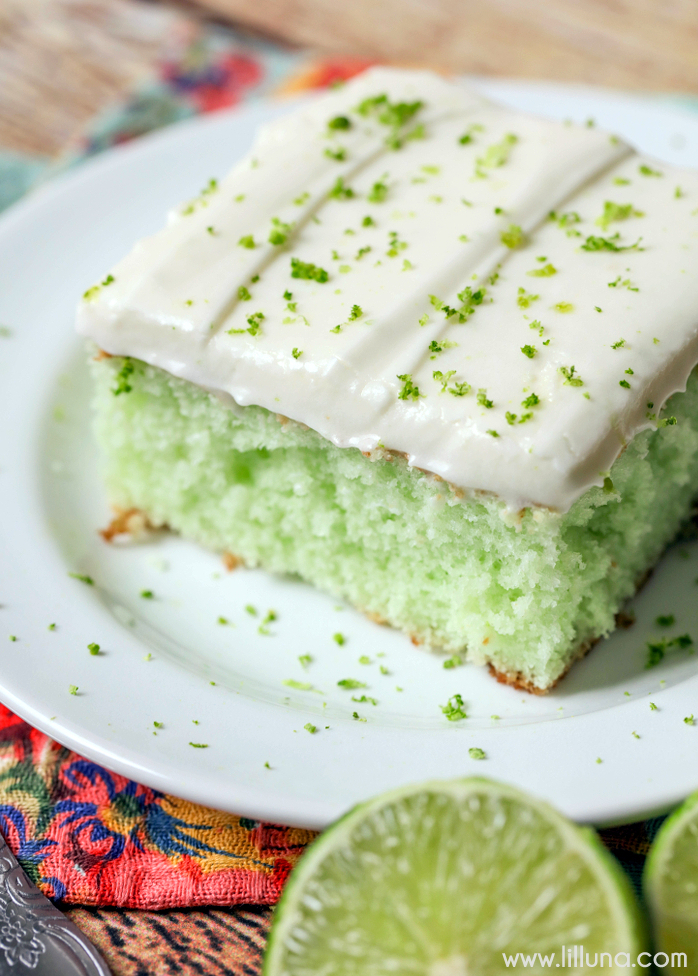
Imagine a burst of sunshine in every bite, a tangy twist that awakens your taste buds and transports you to a tropical paradise. That's the magic of lime, and it's easier than you think to incorporate this vibrant citrus into your everyday cooking.
Sometimes, trying to add that special zing to your dishes can feel like a chore. You might find yourself stuck in a rut, using the same old lemon juice or vinegar, wishing you could recreate those exotic flavors you experienced on vacation. Maybe you're intimidated by complex recipes or unsure how to balance the tartness of lime with other ingredients.
This guide is your passport to unlocking the zesty potential of limes. We're diving into 12 incredibly simple lime recipes that will transform your meals from ordinary to extraordinary. Get ready to infuse your dishes with the refreshing taste of the tropics!
From quick appetizers and vibrant salads to mouthwatering mains and delightful desserts, these 12 easy lime recipes will add a tropical twist to your everyday cooking. Discover the versatility of lime and how it can elevate flavors in everything from marinades and sauces to cocktails and baked goods. Key words include lime recipes, tropical dishes, zesty flavors, easy cooking, citrus recipes, and lime desserts.
Lime Marinade Magic
The target of "Lime Marinade Magic" is to help you create a vibrant and flavorful marinade that enhances the taste of your favorite proteins and vegetables. This marinade unlocks the potential of lime to tenderize and infuse ingredients with a zesty, tropical flavor profile, making your meals more exciting and delicious.
I remember the first time I made a lime marinade. I was grilling chicken for a summer barbecue, and I wanted something more exciting than my usual barbecue sauce. I found a simple recipe online that called for lime juice, garlic, cilantro, and a touch of honey. I was skeptical at first, but the results were amazing! The chicken was incredibly tender, juicy, and bursting with flavor. It was a huge hit with my family and friends, and it completely changed the way I thought about marinades.
Lime marinades are incredibly versatile. They work beautifully with chicken, fish, shrimp, pork, and even tofu. The acidity of the lime helps to break down the proteins, resulting in a more tender and flavorful dish. The addition of other ingredients like garlic, herbs, and spices allows you to customize the marinade to your liking. For a Caribbean twist, add some Scotch bonnet peppers. For a Mexican-inspired flavor, try cumin, chili powder, and oregano. You can also use lime marinades to add a zesty kick to grilled vegetables like zucchini, bell peppers, and onions. The possibilities are endless! Experiment with different combinations of ingredients and find your perfect lime marinade recipe. And, don't be afraid to adjust the marinade's "resting" time of 30 mins to several hours. The longer, the better to saturate the food being marinated.
What Makes a Lime Recipe "Easy"?
This section targets helping readers understand what criteria are used to determine if a lime recipe is considered easy and approachable. It emphasizes simplicity, readily available ingredients, and minimal cooking skills required.
What exactly defines an "easy" lime recipe? It's not just about the number of ingredients or the cooking time; it's about the overall accessibility and simplicity of the dish. An easy lime recipe should require minimal cooking skills, use ingredients that are readily available in most supermarkets, and have clear, concise instructions that are easy to follow. There's no need for complicated techniques or hard-to-find spices. The focus is on letting the natural flavors of the lime shine through without overwhelming the cook with unnecessary complexity. It's also about not requiring hours of prep work. No one wants to spend a day prepping a recipe just to find out it was a flop. Quick recipes are the target here.
Think of it as a recipe that you can whip up on a weeknight after a long day at work, or one that you can easily adapt to your own preferences and dietary needs. The goal is to empower you to experiment with lime and create delicious, flavorful dishes without feeling intimidated or overwhelmed. The best part is that you can make variations of recipes and even replace lemon with lime for most recipes. It all comes down to how well the lime flavor is balanced within the recipe.
The History and Myths of Limes
This section focuses on exploring the history and folklore surrounding limes, adding a layer of cultural significance and intrigue to the topic of lime recipes. The target is to showcase the lime's journey through history and its presence in various cultures.
Limes have a fascinating history that spans centuries and continents. Believed to have originated in Southeast Asia, limes were introduced to the Middle East and then to Europe during the Crusades. They were highly valued for their medicinal properties, particularly as a source of Vitamin C, which helped to prevent scurvy among sailors during long voyages. In fact, British sailors were nicknamed "limeys" because they were required to consume lime juice daily. Over time, limes spread to the Americas, where they became an integral part of many cuisines, especially in Latin America and the Caribbean. This is also how Key Lime pie became popular.
Limes are also associated with various myths and folklore. In some cultures, they are believed to have protective properties and are used in rituals to ward off evil spirits or to bring good luck. In others, they are seen as symbols of cleansing and purification. No matter the cultural context, limes have always been recognized for their unique flavor and health benefits, making them a beloved ingredient in culinary traditions around the world. The tangy, sour taste has been recognized for its refreshing properties for centuries. There is nothing quite like the taste of fresh lime.
Hidden Secrets of Lime Flavor
This section aims to reveal some lesser-known tips and tricks for maximizing the lime flavor in recipes. It delves into techniques for extracting the most zest, juice, and essential oils from limes.
There's more to unlocking the full potential of lime flavor than simply squeezing the juice. The secret lies in understanding how to extract the essential oils from the zest, which contain the most concentrated and aromatic compounds. Before juicing a lime, use a microplane or zester to remove the outer layer of the peel, being careful not to include the bitter white pith underneath. Add the zest to your recipes for an intense burst of citrus flavor. You can also "bruise" lime leaves to extract the essential oils. This will enhance the lime flavor ten-fold. Think of it as a cooking secret.
Another trick is to roll the lime on a hard surface before juicing it. This helps to break down the cell walls and release more juice. For the best flavor, use fresh limes that are firm and heavy for their size. Avoid limes that are soft, wrinkled, or discolored. Store limes in the refrigerator to prolong their shelf life. And don't forget the power of lime juice as a tenderizer for meats and a brightener for sauces and dressings. By mastering these hidden secrets, you can elevate your lime recipes to a whole new level of deliciousness. You can also bake the rind of the lime to create a more concentrated flavor, and then grind it up into a spice to sprinkle on fish.
Lime Recipe Recommendations
This section focuses on providing specific recommendations for lime recipes that are suitable for different occasions and skill levels. The target is to offer a curated selection of recipes that cater to various tastes and preferences.
If you're looking for a quick and easy appetizer, try making a simple guacamole with avocado, lime juice, cilantro, onion, and jalapeño. For a refreshing salad, toss together mixed greens, grilled shrimp, avocado, mango, and a lime vinaigrette. If you're in the mood for something more substantial, try grilling chicken or fish with a lime marinade. For a delicious dessert, bake a key lime pie or make a batch of lime sorbet. Experiment with different variations of these recipes and find your favorites.
For beginner cooks, I recommend starting with simple recipes like limeade, lime vinaigrette, or a basic lime marinade. These recipes are easy to follow and require minimal cooking skills. Once you're comfortable with these basics, you can move on to more complex recipes like key lime pie or ceviche. No matter your skill level, there's a lime recipe out there for you. The best part is, most of these recipes will only take you a few minutes to prepare. This will allow you to enjoy the flavors without the stress.
Understanding Lime Acidity
This section will delve into the science behind lime acidity, explaining how it affects the flavor and texture of food. The target is to provide a deeper understanding of the chemical properties of limes.
Lime acidity plays a crucial role in its culinary applications. The tartness of lime juice comes from citric acid, which not only provides a distinct flavor but also affects the texture of food. In marinades, lime acidity helps to break down proteins, tenderizing meat and seafood. In ceviche, the acidity "cooks" the seafood by denaturing its proteins. Lime acidity also helps to balance sweetness in desserts and to prevent oxidation in fruits and vegetables, keeping them fresh and vibrant.
Understanding the role of lime acidity can help you to create more balanced and flavorful dishes. When using lime juice in a recipe, consider how it will interact with the other ingredients. If you're using it to tenderize meat, be careful not to marinate it for too long, as it can become mushy. If you're using it to balance sweetness in a dessert, adjust the amount of lime juice to your liking. The best way to understand the effects of lime is to try it. Experiment with different recipes and different amounts of lime to get a sense of the effects.
Tips for Squeezing the Most From Your Limes
This section focuses on providing practical tips and tricks for maximizing the juice yield and flavor from limes. The target is to help readers get the most out of their limes and avoid common mistakes.
Getting the most juice out of a lime is an art. First, choose limes that are heavy for their size, as they tend to be juicier. Roll the lime firmly on a countertop before cutting it in half to help release the juice. Use a citrus juicer or reamer to extract the juice, pressing firmly and twisting the lime to get every last drop. For even more juice, microwave the lime for a few seconds before juicing it. Be careful not to overheat it, as this can make it bitter.
To avoid getting seeds in your juice, cut the lime crosswise instead of lengthwise. If you do get seeds in your juice, use a strainer to remove them. Store leftover lime juice in an airtight container in the refrigerator for up to a week, or freeze it in ice cube trays for later use. And don't throw away the lime peels! They can be used to make lime zest, lime-infused oil, or even lime-flavored sugar. Squeeze the lime in front of you to prevent getting the juice in your eyes.
Pairing Limes with Other Flavors
This section aims to guide readers on how to successfully pair limes with other ingredients to create harmonious flavor combinations. The target is to inspire experimentation and creativity in lime-based recipes.
Limes are incredibly versatile and pair well with a wide range of flavors. Their tartness complements sweet flavors like mango, pineapple, and coconut, while their acidity cuts through rich and savory flavors like avocado, seafood, and pork. Limes also work well with spicy flavors like chili peppers, ginger, and cilantro. When pairing limes with other flavors, consider the overall balance of the dish.
If you're using lime in a sweet dish, balance it with enough sweetness to prevent it from being too tart. If you're using it in a savory dish, balance it with enough fat or richness to prevent it from being too acidic. Don't be afraid to experiment with different combinations of flavors to find what you like best. Remember, cooking is all about creativity and having fun! And don't forget the salt. Salt can temper the acid of limes, or any type of citrus. This allows for a more palatable flavor.
Fun Facts About Limes
This section focuses on sharing interesting and little-known facts about limes, adding an element of entertainment and trivia to the topic. The target is to engage readers with fascinating information about this popular citrus fruit.
Did you know that limes are technically a type of berry? Or that they are native to Southeast Asia and have been cultivated for thousands of years? Limes are packed with Vitamin C, which is essential for a healthy immune system. They are also a good source of antioxidants, which help to protect the body against damage from free radicals. Limes are used in a variety of products, including food, beverages, cosmetics, and cleaning supplies.
The key lime, a smaller and more aromatic variety of lime, is the star of the famous Key lime pie. Limes are often used as a garnish for cocktails and other beverages. In some cultures, limes are believed to have medicinal properties and are used to treat a variety of ailments. They are also used in religious ceremonies and rituals. Whether you're using them for cooking, cleaning, or simply enjoying their refreshing flavor, limes are a versatile and fascinating fruit. Lime flavors are so diverse, from sweet, to sour, to tart. They can liven up any type of food, including ice cream.
How to Store Limes Properly
This section will provide practical advice on how to store limes to maintain their freshness and extend their shelf life. The target is to help readers preserve their limes and prevent them from spoiling.
Proper storage is essential for maintaining the freshness and flavor of limes. At room temperature, limes will typically last for about a week. To prolong their shelf life, store them in the refrigerator. Place the limes in a plastic bag or airtight container to prevent them from drying out. Limes stored in the refrigerator can last for up to two weeks.
If you want to store limes for even longer, you can freeze them. To freeze limes, wash them thoroughly and dry them with a paper towel. Place the limes in a freezer bag or airtight container and store them in the freezer for up to three months. When you're ready to use them, thaw them in the refrigerator overnight or at room temperature for a few hours. Frozen limes may not be as juicy as fresh limes, but they will still retain their flavor. The acidity will also last, ensuring that the frozen limes will still be a great addition to your dishes.
What if You Don't Have Limes?
This section addresses the question of what to do if you don't have limes on hand and need a substitute in a recipe. The target is to offer alternative ingredients that can provide a similar flavor profile.
If you find yourself without limes and need a substitute, don't despair! There are several alternatives that can provide a similar flavor profile. Lemon juice is the most common and readily available substitute for lime juice. It has a similar acidity and tartness, although the flavor is slightly different. Other options include grapefruit juice, orange juice, or even vinegar.
When substituting lime juice with another ingredient, consider the overall flavor of the dish. If you're using lemon juice, you may need to adjust the amount to achieve the desired level of tartness. If you're using grapefruit juice or orange juice, you may need to add a bit of sugar to balance the acidity. And if you're using vinegar, be sure to use it sparingly, as it can be quite potent. While no substitute will perfectly replicate the unique flavor of lime, these alternatives can help you to create a delicious and flavorful dish even without the real thing. However, if you want a "lime flavor" with other citrus juices, you might have to add more of the alternative citrus to match the lime's zest.
12 Easy Lime Recipes: A Delicious Listicle
This section will provide a detailed list of 12 easy lime recipes, complete with brief descriptions and links to full recipes (if available). The target is to offer a diverse range of recipes that showcase the versatility of limes.
Here are 12 easy lime recipes to get you started on your lime-filled culinary adventure:
1. Classic Limeade: A refreshing and simple drink made with lime juice, water, and sugar.
2. Lime Vinaigrette: A tangy and flavorful salad dressing made with lime juice, olive oil, garlic, and herbs.
3. Lime Marinade: A versatile marinade for chicken, fish, or shrimp made with lime juice, garlic, cilantro, and spices.
4. Guacamole: A creamy and flavorful dip made with avocado, lime juice, onion, cilantro, and jalapeño.
5. Ceviche: A refreshing seafood dish marinated in lime juice with onions, cilantro, and chili peppers.
6. Key Lime Pie: A classic dessert made with key lime juice, condensed milk, and a graham cracker crust.
7. Lime Sorbet: A refreshing and tangy frozen dessert made with lime juice, sugar, and water.
8. Lime Rice: A flavorful side dish made with rice, lime juice, cilantro, and spices.
9. Margarita: A classic cocktail made with tequila, lime juice, and orange liqueur.
10. Mojito: A refreshing cocktail made with rum, lime juice, mint, sugar, and soda water.
11. Lime Chicken Tacos: Grilled chicken marinated in lime juice served in tacos with your favorite toppings.
12. Shrimp Scampi with Lime: Shrimp sautéed in garlic butter with lime juice and parsley.
Explore these recipes and get creative. Limes are a very versatile ingredient that can be used in many dishes.
Question and Answer About 12 Easy Lime Recipes for Tropical Zesty Dishes
Q: Can I use bottled lime juice instead of fresh lime juice?
A: While fresh lime juice is always preferred for its superior flavor, bottled lime juice can be used in a pinch. Just be aware that the flavor may not be as vibrant or complex as fresh lime juice.
Q: How long will limes last in the refrigerator?
A: Limes stored in the refrigerator in a plastic bag or airtight container can last for up to two weeks.
Q: Can I freeze lime juice?
A: Yes, lime juice can be frozen for later use. Pour the juice into ice cube trays and freeze until solid. Then, transfer the frozen lime juice cubes to a freezer bag or airtight container.
Q: What is the best way to zest a lime?
A: Use a microplane or zester to remove the outer layer of the peel, being careful not to include the bitter white pith underneath. Zest the lime before juicing it for easier handling.
Conclusion of 12 Easy Lime Recipes for Tropical Zesty Dishes
Lime's bright, tangy flavor adds a unique dimension to countless dishes. From simple beverages to complex culinary creations, the versatility of lime shines through. Hopefully, you've found some inspiration within these pages to explore the possibilities and add a little zest to your life!

Post a Comment
Post a Comment