25 Healthy Salad Recipes That Actually Fill You Up


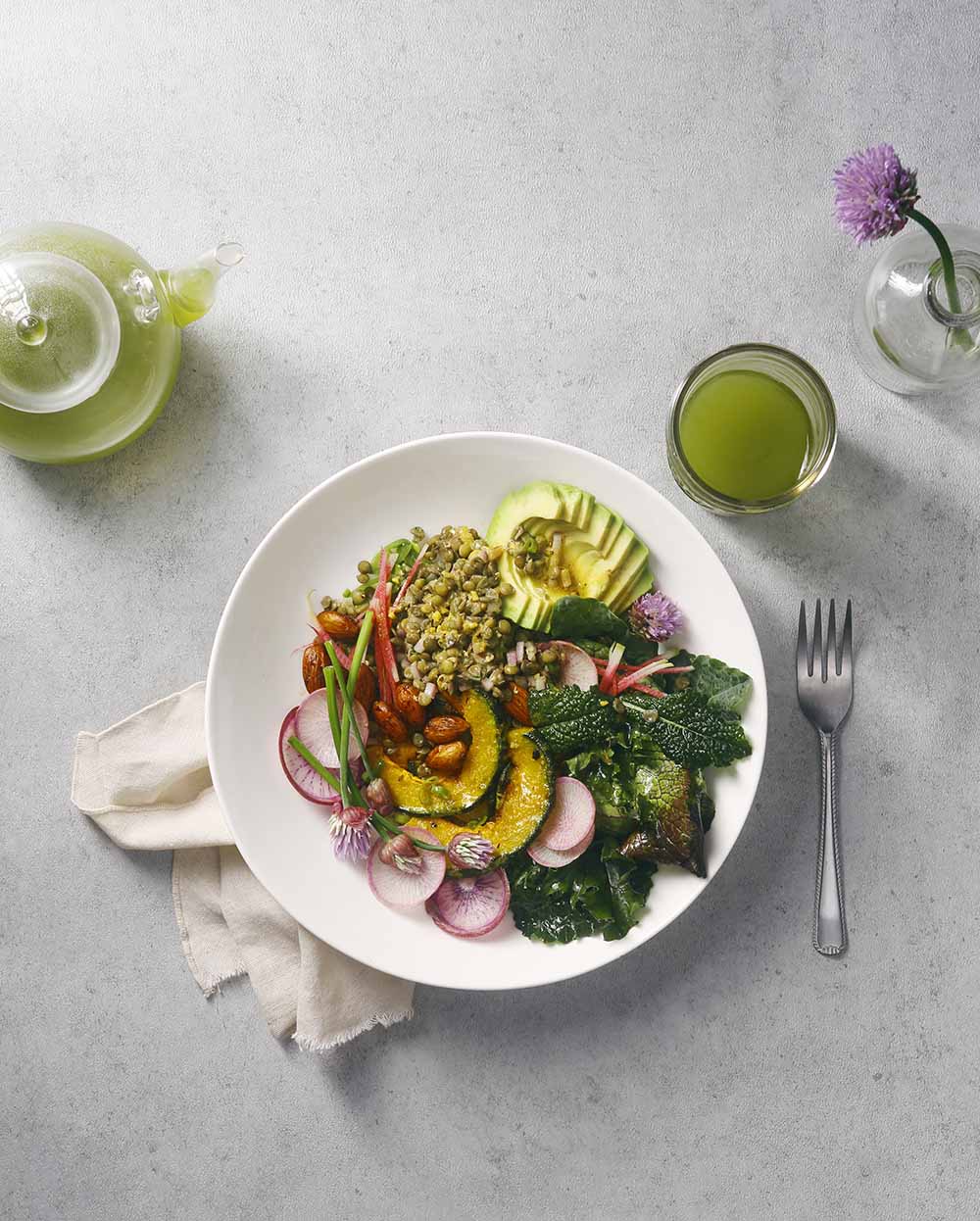
Are you tired of salads that leave you hungry an hour later? You're not alone! Many of us associate salads with rabbit food – something light and unsatisfying that doesn't quite cut it as a proper meal. But what if I told you that salads could be delicious, healthy, and actually keep you feeling full and energized?
It's a common frustration: wanting to eat healthy, choosing a salad, but then battling cravings and feeling deprived. Salads often lack staying power. They might be packed with leafy greens, but without the right combination of ingredients, they can leave you reaching for a snack soon after. The key is finding that perfect balance of nutrients, textures, and flavors that will keep you satisfied and nourished.
This blog post is your guide to crafting 25 healthy and filling salad recipes that will revolutionize your lunchtime routine (or any meal, for that matter!). We're talking about salads that are loaded with protein, healthy fats, and fiber – the trifecta of satiety. Get ready to say goodbye to those mid-afternoon energy crashes and hello to vibrant, delicious, and truly fulfilling salads!
In this post, you'll discover 25 amazing salad recipes that will keep you full and satisfied, and we'll delve into why certain ingredients work wonders for satiety, explore different flavor combinations, and even uncover some surprising facts about salads. So, ditch the bland, boring salads of the past and prepare to embark on a culinary adventure filled with delicious and nutritious meals.
The Secret to a Satisfying Salad
I used to think salads were, well, kind of boring. A pile of lettuce with a few sad veggies sprinkled on top. My idea of a 'filling' salad was just adding more lettuce! It wasn't until I started experimenting with different ingredients and learning about the science behind satiety that I realized the true potential of a well-crafted salad. It all clicked when I understood the importance of adding protein, healthy fats, and fiber. Protein keeps you feeling fuller for longer, healthy fats provide sustained energy, and fiber slows down digestion, preventing those dreaded sugar crashes. Suddenly, my salads became powerhouses of nutrition and flavor. I started incorporating ingredients like grilled chicken, chickpeas, avocado, quinoa, and nuts. The difference was astounding! No more mid-afternoon snack attacks, just sustained energy and a feeling of genuine satisfaction. It wasn't just about volume anymore; it was about the quality and combination of ingredients. A salad with a variety of colors and textures is also more appealing to the eye, which in turn makes it more enjoyable and satisfying to eat. Think about adding red peppers, shredded carrots, purple cabbage, and different types of greens. Not only does it look beautiful, but each ingredient provides a unique set of nutrients and contributes to a more complete and satisfying meal. Don't be afraid to experiment with different flavors and cuisines. A Mediterranean-inspired salad with feta cheese, olives, and hummus can be incredibly satisfying, while an Asian-inspired salad with edamame, sesame seeds, and a ginger dressing can be both flavorful and filling. The key is to find what works for you and what you enjoy eating.
What Makes a Salad "Healthy" and "Filling"?
The terms "healthy" and "filling" are subjective, but in the context of salads, they generally refer to a combination of nutrient-dense ingredients that contribute to overall well-being and sustained satiety. A healthy salad is one that is rich in vitamins, minerals, antioxidants, and fiber, while being relatively low in unhealthy fats, added sugars, and processed ingredients. A filling salad, on the other hand, is one that keeps you feeling satisfied for an extended period of time, preventing cravings and promoting weight management. The key to achieving both healthiness and fullness in a salad lies in the strategic selection of ingredients. Leafy greens, such as spinach, kale, and romaine lettuce, provide a base of essential vitamins and minerals, while non-starchy vegetables, like cucumbers, bell peppers, and broccoli, add fiber and antioxidants. Protein sources, such as grilled chicken, fish, tofu, or beans, are crucial for satiety and muscle building. Healthy fats, such as avocado, nuts, seeds, and olive oil, contribute to sustained energy and hormone regulation. Complex carbohydrates, such as quinoa, brown rice, or sweet potatoes, provide long-lasting energy and fiber. It's also important to consider the dressing used in the salad. Opt for homemade vinaigrettes or dressings made with healthy oils, such as olive oil or avocado oil, and avoid those with excessive amounts of sugar or unhealthy fats. By carefully selecting and combining these ingredients, you can create salads that are both incredibly healthy and remarkably filling.
A Brief History and Myths Surrounding Salads
The history of salads dates back to ancient times, with evidence suggesting that Romans and Greeks consumed mixed greens with oil and vinegar as early as the first century AD. The word "salad" itself comes from the Latin word "salata," meaning "salted," referring to the practice of salting greens. Over the centuries, salads evolved and adapted to different cultures and cuisines. In the Middle Ages, salads became more elaborate, with the addition of herbs, flowers, and even meat. During the Renaissance, salads became a symbol of wealth and sophistication, often served as part of elaborate banquets. In the 19th and 20th centuries, salads became more accessible to the general population, with the rise of fast-food restaurants and the availability of pre-packaged ingredients. However, there are also several myths surrounding salads. One common myth is that salads are always healthy. While salads can be incredibly nutritious, they can also be high in calories, unhealthy fats, and added sugars if they contain excessive amounts of creamy dressings, processed meats, and croutons. Another myth is that salads are only suitable for weight loss. While salads can be a great tool for weight management, they can also be part of a balanced and healthy diet for people of all shapes and sizes. The key is to focus on nutrient-dense ingredients and portion control. By understanding the history and debunking the myths surrounding salads, you can make informed choices and enjoy the benefits of this versatile and delicious dish.
Unveiling the Hidden Secrets of Truly Filling Salads
The real secret to a truly filling salad isn't just about throwing a bunch of healthy ingredients together; it's about understanding how those ingredients interact and contribute to satiety. One often overlooked secret is the importance of texture. A salad that is all soft and mushy can be unsatisfying, no matter how nutritious it is. Incorporating crunchy elements, such as nuts, seeds, or crispy vegetables, can add a textural dimension that makes the salad more enjoyable and filling. Another secret is the power of layering flavors. A bland salad can be easily forgotten, but a salad with a complex and interesting flavor profile can be incredibly satisfying. Experiment with different herbs, spices, and dressings to create a flavor explosion that will keep you coming back for more. Don't underestimate the importance of presentation. A salad that looks beautiful is more likely to be enjoyed and savored. Take the time to arrange the ingredients in an appealing way and add a pop of color with fresh herbs or edible flowers. Finally, consider the temperature of your salad. A cold salad can be refreshing on a hot day, but a warm salad can be more comforting and satisfying in the colder months. Try grilling your protein or roasting your vegetables for a warm and flavorful salad. By incorporating these hidden secrets, you can transform your salads from bland and boring to truly filling and satisfying.
Recommendations for Building Your Perfect Filling Salad
When it comes to building your perfect filling salad, there's no one-size-fits-all approach. The best salad for you is one that caters to your individual taste preferences, dietary needs, and lifestyle. However, there are some general recommendations that can help you create a salad that is both healthy and satisfying. First, start with a base of leafy greens. Choose a variety of greens to add different flavors and textures. Spinach, kale, romaine lettuce, and mixed greens are all excellent options. Next, add plenty of non-starchy vegetables. These vegetables are low in calories and high in fiber, which will help you feel full without adding extra weight. Cucumbers, bell peppers, tomatoes, carrots, and broccoli are all great choices. Then, add a source of protein. Protein is essential for satiety and muscle building. Grilled chicken, fish, tofu, beans, and lentils are all excellent sources of protein. Next, add a source of healthy fats. Healthy fats are important for sustained energy and hormone regulation. Avocado, nuts, seeds, and olive oil are all great choices. Finally, add a source of complex carbohydrates. Complex carbohydrates provide long-lasting energy and fiber. Quinoa, brown rice, sweet potatoes, and whole-wheat pasta are all excellent options. Don't forget to add a delicious and healthy dressing. Homemade vinaigrettes or dressings made with healthy oils are the best choices. By following these recommendations, you can create a salad that is both incredibly healthy and remarkably filling.
How to Choose the Right Ingredients
Selecting the right ingredients is paramount to crafting a truly filling and healthy salad. It's not just about throwing in whatever you have on hand; it's about making conscious choices that contribute to both flavor and nutritional value. Consider the quality of your ingredients. Opt for fresh, seasonal produce whenever possible. These ingredients will not only taste better but will also be richer in nutrients. Pay attention to the sources of your protein and healthy fats. Choose lean protein sources like grilled chicken or fish over processed meats. Select healthy fats like avocado, nuts, and seeds over fried or heavily processed options. Variety is key! Don't stick to the same old ingredients every time you make a salad. Experiment with different greens, vegetables, protein sources, and healthy fats to keep things interesting and ensure you're getting a wide range of nutrients. Consider the texture of your ingredients. Adding a mix of crunchy, chewy, and soft textures can make your salad more enjoyable and satisfying. Think about adding toasted nuts, crispy vegetables, or creamy avocado. Flavor is also important! Don't be afraid to experiment with different herbs, spices, and dressings to create a salad that tantalizes your taste buds. A little bit of flavor can go a long way in making your salad more appealing and satisfying. Finally, be mindful of portion sizes. Even healthy ingredients can contribute to weight gain if consumed in excess. Be sure to measure your ingredients and stick to reasonable portion sizes. By carefully selecting and combining the right ingredients, you can create a salad that is both incredibly healthy and remarkably filling.
Tips for Making Your Salads More Exciting
Let's face it, even the healthiest salad can get boring if you're eating the same thing day in and day out. The key to staying motivated and enjoying your salads is to keep things interesting. One of the easiest ways to do this is to experiment with different dressings. Instead of relying on store-bought dressings, try making your own at home. You can easily create a variety of delicious and healthy dressings with just a few simple ingredients. Another tip is to add a pop of color. Colorful salads are not only more visually appealing but also more nutritious. Add vegetables like bell peppers, tomatoes, carrots, and beets to your salads to boost their color and nutrient content. Don't be afraid to experiment with different flavor combinations. Try adding fruits, nuts, seeds, herbs, and spices to your salads to create unique and exciting flavor profiles. Get creative with your protein sources. Instead of always relying on chicken or tofu, try adding fish, shrimp, beans, or lentils to your salads. Roasting your vegetables can also add a new dimension of flavor to your salads. Roasted vegetables are sweeter and more flavorful than raw vegetables. Add a sprinkle of cheese or a dollop of yogurt to your salads for a creamy and delicious touch. Just be mindful of portion sizes. Finally, don't forget about texture! Adding crunchy elements like nuts, seeds, or croutons can make your salads more satisfying. By following these tips, you can transform your salads from boring to exciting and keep yourself motivated to eat healthy.
Spice It Up with Homemade Dressings
Homemade dressings are a game-changer when it comes to elevating your salad experience. Not only are they healthier than most store-bought options (which are often loaded with sugar, unhealthy fats, and artificial ingredients), but they also allow you to customize the flavor to perfectly complement your salad ingredients. The base of most homemade dressings is a combination of oil and vinegar or citrus juice. Olive oil is a great choice for its healthy fats and mild flavor, while balsamic vinegar, apple cider vinegar, and lemon juice are all excellent options for adding acidity. From there, you can get creative with herbs, spices, and other flavor enhancers. Garlic, ginger, mustard, honey, and maple syrup can all be used to add depth and complexity to your dressings. Don't be afraid to experiment with different combinations to find your favorites. One of my go-to dressings is a simple vinaigrette made with olive oil, balsamic vinegar, Dijon mustard, and a touch of honey. It's incredibly versatile and pairs well with a variety of salads. Another favorite is a creamy avocado dressing made with avocado, lime juice, cilantro, and garlic. It's perfect for adding a healthy dose of fats and flavor to your salads. Making your own dressings is also a great way to control the amount of salt and sugar in your salads. You can adjust the ingredients to your liking and ensure that your salads are as healthy as possible. So, ditch the store-bought dressings and start experimenting with homemade options. You'll be amazed at how much better your salads taste.
Fun Facts About Salads You Probably Didn't Know
Salads, those seemingly simple and ubiquitous dishes, hold a surprising number of fascinating facts. Did you know that the Caesar salad, a classic favorite, was actually invented in Tijuana, Mexico, in the 1920s by an Italian restaurateur named Caesar Cardini? It wasn't until years later that it gained popularity in the United States. Another fun fact is that the world's largest salad was created in Romania in 2012 and weighed over 19 tons! It included a variety of vegetables, including lettuce, tomatoes, cucumbers, and onions. The name "salad" comes from the Latin word "salata," which means "salted thing." This refers to the ancient Roman practice of salting greens before eating them. The first known salad dressing was a combination of oil and vinegar, used by the Babylonians nearly 6,000 years ago. In ancient Greece, salads were often served with a type of cheese similar to feta. During the Middle Ages, salads were considered a luxury item and were often served to the wealthy. In the 17th century, salads became more popular in Europe, with the introduction of new vegetables from the Americas. The first cookbook to feature salad recipes was "The Art of Cookery Made Plain and Easy" by Hannah Glasse, published in 1747. Today, salads are enjoyed all over the world in countless variations, reflecting the diverse culinary traditions of different cultures. From simple green salads to elaborate composed salads, there's a salad for every taste and occasion. So, the next time you enjoy a salad, take a moment to appreciate its rich history and the many fun facts that surround it.
How to Prepare Ingredients for the Best Salad
Proper preparation of ingredients is key to creating a truly exceptional salad. It's not enough to simply chop up some vegetables and throw them in a bowl. Taking the time to prepare your ingredients properly will not only enhance the flavor and texture of your salad but also make it more visually appealing. Start with fresh, high-quality ingredients. Choose seasonal produce whenever possible for the best flavor and nutritional value. Wash your greens thoroughly to remove any dirt or debris. Use a salad spinner to dry them completely, as excess water can make your salad soggy. Chop your vegetables into uniform sizes for even cooking and a more visually appealing presentation. Consider the texture of your vegetables when chopping them. Some vegetables, like carrots and celery, can be chopped into small pieces to add crunch, while others, like tomatoes and avocados, can be chopped into larger pieces to add creaminess. If you're using roasted vegetables, roast them until they're tender and slightly caramelized. This will bring out their natural sweetness and add a depth of flavor to your salad. Marinate your protein before adding it to your salad. This will help to tenderize the protein and add flavor. Use a healthy marinade made with olive oil, lemon juice, herbs, and spices. Toast your nuts and seeds before adding them to your salad. This will enhance their flavor and add a satisfying crunch. Dress your salad just before serving. This will prevent the greens from wilting and the dressing from becoming diluted. By following these tips, you can prepare your ingredients properly and create a salad that is both delicious and visually appealing.
What if Your Salad is Not Filling?
So, you've made a salad, but an hour later, you're raiding the pantry. What went wrong? The most common reason for a salad not being filling is a lack of protein. Protein is essential for satiety, as it takes longer to digest than carbohydrates or fats. Make sure your salad includes a good source of protein, such as grilled chicken, fish, tofu, beans, or lentils. Another common mistake is not including enough healthy fats. Healthy fats are important for sustained energy and hormone regulation. Add avocado, nuts, seeds, or olive oil to your salad to boost its fat content. Fiber is also crucial for satiety. Fiber slows down digestion and helps you feel full for longer. Include plenty of non-starchy vegetables in your salad, such as leafy greens, cucumbers, bell peppers, and broccoli. Complex carbohydrates can also help to make your salad more filling. Add quinoa, brown rice, sweet potatoes, or whole-wheat pasta to your salad for a boost of carbohydrates. Dehydration can sometimes be mistaken for hunger. Make sure you're drinking plenty of water throughout the day. Sometimes, you might simply need a larger portion of salad. If you're still hungry after eating your salad, try adding a side of soup or a piece of fruit. Finally, consider your stress levels. Stress can sometimes lead to overeating. If you're feeling stressed, try practicing relaxation techniques, such as yoga or meditation. By addressing these potential issues, you can troubleshoot why your salad isn't filling and make adjustments to ensure that your next salad keeps you satisfied.
Listicle of 25 Healthy Salad Recipes That Actually Fill You Up
Here's a list of 25 salad recipes that are not only healthy but also designed to keep you feeling full and energized:
- Grilled Chicken Caesar Salad: A classic with a protein boost.
- Mediterranean Quinoa Salad: Packed with fiber and healthy fats.
- Spicy Black Bean and Corn Salad: A flavorful and filling vegetarian option.
- Tuna Salad with Avocado: A creamy and satisfying twist on a classic.
- Lentil Salad with Roasted Vegetables: A hearty and nutritious vegan salad.
- Cobb Salad with Grilled Shrimp: A protein-packed and colorful salad.
- Thai Peanut Chicken Salad: An exotic and flavorful salad with a peanut dressing.
- Caprese Salad with Balsamic Glaze: A simple and elegant salad with fresh ingredients.
- Greek Salad with Feta Cheese: A refreshing and flavorful salad with a Greek dressing.
- Spinach Salad with Strawberries and Goat Cheese: A sweet and savory salad with a light vinaigrette.
- Kale Salad with Roasted Sweet Potatoes and Pecans: A hearty and nutritious salad with a maple-mustard dressing.
- Broccoli Salad with Bacon and Cheddar Cheese: A creamy and flavorful salad with a tangy dressing.
- Asian Noodle Salad with Sesame Dressing: A flavorful and filling salad with rice noodles and sesame dressing.
- Taco Salad with Ground Beef or Turkey: A fun and customizable salad with all your favorite taco toppings.
- Waldorf Salad with Apples and Walnuts: A classic and creamy salad with a mayonnaise-based dressing.
- Beet Salad with Goat Cheese and Walnuts: An earthy and flavorful salad with a balsamic vinaigrette.
- Farro Salad with Roasted Vegetables and Herbs: A hearty and nutritious salad with a lemon-herb dressing.
- Chickpea Salad Sandwich Filling: A vegan alternative to tuna salad that's perfect for sandwiches or salads.
- Pasta Salad with Pesto and Cherry Tomatoes: A simple and flavorful salad with pesto and cherry tomatoes.
- Egg Salad with Avocado: A creamy and healthy twist on a classic egg salad.
- Salmon Salad with Dill and Lemon: A flavorful and nutritious salad with fresh salmon and dill.
- Edamame Salad with Ginger Dressing: A refreshing and flavorful salad with edamame and ginger dressing.
- Israeli Salad with Cucumber and Tomato: A simple and refreshing salad with cucumber, tomato, and parsley.
- Three-Bean Salad with Vinaigrette Dressing: A classic and hearty salad with three different types of beans.
- BLT Salad with Avocado Ranch Dressing: A fun and flavorful salad with all the flavors of a BLT sandwich.
These recipes offer a variety of flavors, textures, and nutrients to keep you satisfied and energized throughout the day.
Question and Answer About 25 Healthy Salad Recipes That Actually Fill You Up
Here are some frequently asked questions about creating healthy and filling salads:
Q: What are the key ingredients to make a salad filling?
A: Protein, healthy fats, and fiber are the key ingredients for a filling salad. Protein sources like grilled chicken, fish, tofu, or beans keep you feeling fuller for longer. Healthy fats, such as avocado, nuts, or seeds, provide sustained energy. Fiber-rich vegetables like leafy greens, cucumbers, and broccoli promote satiety and aid digestion.
Q: How can I make my salad more flavorful?
A: Experiment with different herbs, spices, and dressings. Add a pop of color with fresh vegetables and fruits. Consider toasting nuts and seeds for added texture and flavor. Don't be afraid to try new flavor combinations and cuisines.
Q: What are some healthy dressing options?
A: Homemade vinaigrettes are a great option. Combine olive oil, vinegar or citrus juice, herbs, and spices for a flavorful and healthy dressing. Avocado-based dressings are also a good choice for adding healthy fats. Avoid store-bought dressings that are high in sugar and unhealthy fats.
Q: Can I prepare my salad ahead of time?
A: Yes, you can prepare some components of your salad ahead of time. Chop vegetables, cook protein, and make dressings in advance. Store them separately and combine just before serving to prevent wilting.
Conclusion of 25 Healthy Salad Recipes That Actually Fill You Up
Salads don't have to be boring or unsatisfying. By incorporating the right ingredients and flavor combinations, you can create healthy and filling salads that will keep you energized and nourished. From protein-packed grilled chicken salads to fiber-rich lentil salads, there's a salad for every taste and preference. So, ditch the bland, boring salads of the past and embrace the vibrant and delicious world of truly fulfilling salads. With these 25 recipes and tips, you'll be well on your way to enjoying salads that are not only good for you but also incredibly satisfying.

Post a Comment
Post a Comment