20 Healthy Sweet Potato Recipes Packed with Nutrients


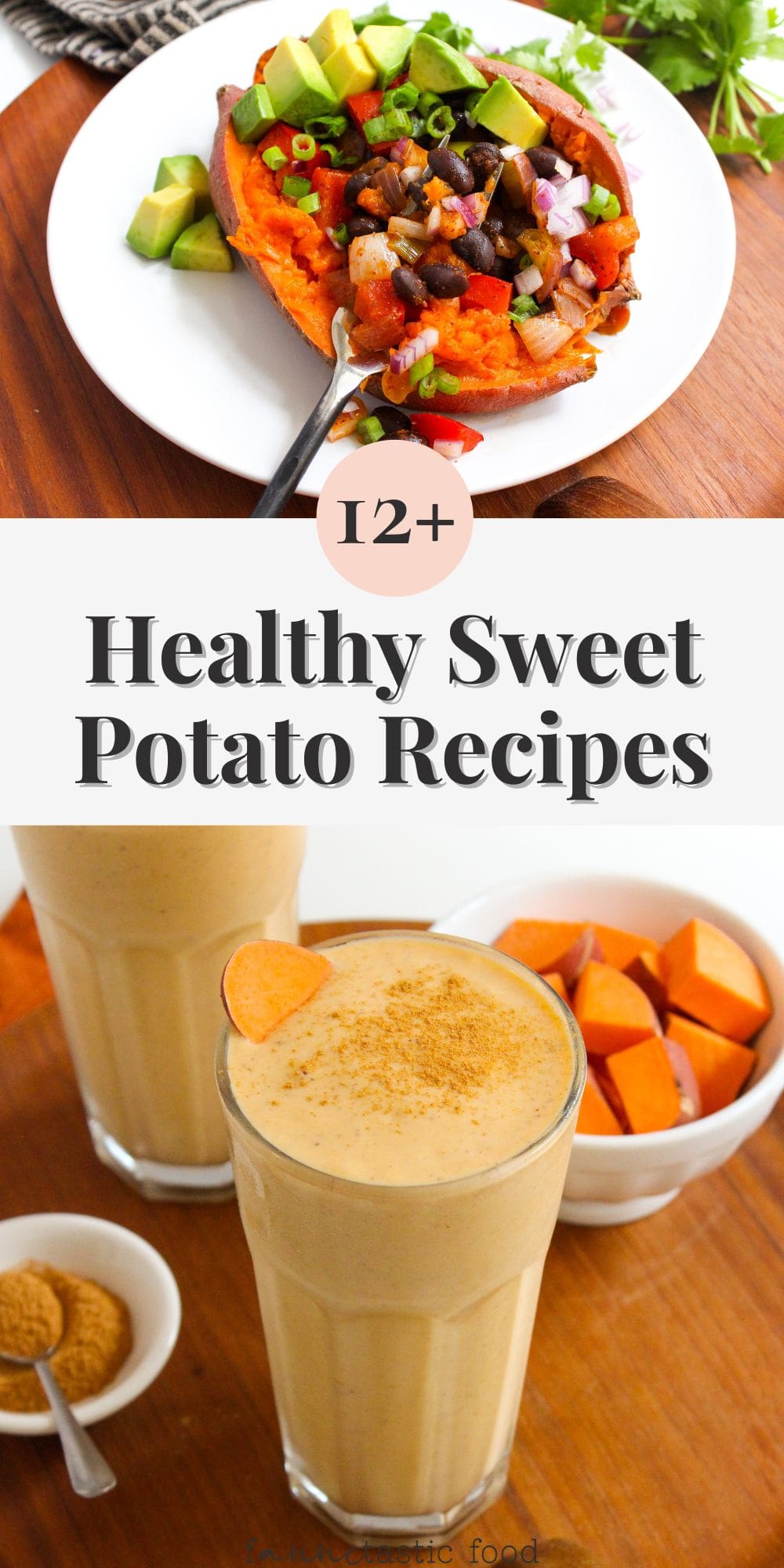
Are you tired of the same old boring meals? Do you crave something delicious, nutritious, and versatile that can be incorporated into breakfast, lunch, dinner, and even dessert? Look no further than the incredible sweet potato!
We all know that incorporating healthy food into our everyday diets can be a challenge. Trying to figure out what to eat, how to prepare it, and making sure it's actually enjoyable often feels overwhelming. Plus, finding meals that cater to specific dietary needs or preferences can add another layer of complexity.
That's why we've compiled 20 amazing and healthy sweet potato recipes that are not only packed with nutrients but also incredibly tasty and easy to make. These recipes are designed to help you overcome your mealtime struggles and discover the amazing potential of this vibrant root vegetable.
This article will dive into the world of sweet potatoes, exploring their nutritional benefits, culinary versatility, and delicious ways to prepare them. We'll cover everything from sweet potato breakfast bowls and savory lunch options to satisfying dinners and even guilt-free desserts. Get ready to unlock a world of flavor and health with these easy-to-follow sweet potato recipes, perfect for anyone looking to boost their diet and enjoy every bite!
My Sweet Potato Journey
My relationship with sweet potatoes wasn't always a love affair. Growing up, I thought of them as just a Thanksgiving side dish, often drowned in marshmallows and brown sugar – definitely not the healthy image I have of them now! It wasn't until I started experimenting with my own cooking and exploring different cuisines that I truly discovered the magic of sweet potatoes.
One of my first experiments was roasting sweet potato cubes with olive oil, garlic, and rosemary. The result was surprisingly delicious – the sweetness of the potato was perfectly balanced by the savory herbs and garlic. From there, I started incorporating sweet potatoes into everything from breakfast hashes to veggie burgers. I even attempted sweet potato noodles (with varying degrees of success!).
What really amazed me was how versatile they are. You can bake them, boil them, mash them, fry them, grill them – the possibilities are endless! And the best part is, they're packed with nutrients like vitamin A, vitamin C, and fiber. It's like a delicious and healthy powerhouse all in one little package. Sweet potatoes have become a staple in my kitchen, and I'm excited to share my favorite recipes with you!
What Makes Sweet Potatoes So Special?
Sweet potatoes are more than just a pretty face. They're nutritional powerhouses packed with vitamins, minerals, and antioxidants that contribute to overall health and well-being. What exactly makes them such a healthy choice?
For starters, they're an excellent source of Vitamin A, crucial for vision, immune function, and cell growth. Just one medium sweet potato can provide over 400% of your daily recommended intake! They're also rich in Vitamin C, an antioxidant that helps protect your body against damage from free radicals and boosts your immune system. And let's not forget the fiber! Sweet potatoes are a good source of both soluble and insoluble fiber, which promotes healthy digestion and helps keep you feeling full and satisfied.
Beyond these key nutrients, sweet potatoes also contain a variety of other beneficial compounds, including potassium, manganese, and various antioxidants. The vibrant orange color of many sweet potato varieties comes from beta-carotene, which your body converts into Vitamin A. In short, sweet potatoes are a nutritional goldmine, offering a wide range of health benefits in a delicious and easily accessible package.
A History Rooted in Flavor: Sweet Potato Origins
The sweet potato, with its vibrant color and earthy sweetness, has a history as rich and complex as its flavor profile. Originating in Central and South America, these versatile tubers have been cultivated for thousands of years, becoming a staple food in cultures around the world. Archaeological evidence suggests that sweet potatoes were consumed as early as 8000 BC in Peru, making them one of the oldest vegetables known to humankind.
From their humble beginnings, sweet potatoes embarked on a journey across the globe, carried by explorers, traders, and migrating populations. They reached Europe in the 15th century, brought back by Christopher Columbus, and quickly gained popularity for their unique taste and nutritional value. In Asia, sweet potatoes became a crucial food source, particularly in China and Japan, where they helped to alleviate famine and support growing populations.
Over time, different varieties of sweet potatoes emerged, each with its own distinct characteristics. From the classic orange-fleshed varieties to the white, yellow, and even purple-fleshed types, the sweet potato family boasts a diverse range of flavors and textures. Today, sweet potatoes are cultivated in countless countries, continuing to nourish and delight people around the world.
The Hidden Secrets of Sweet Potato Nutrition
We all know sweet potatoes are good for us, but what are the hidden secrets behind their nutritional power? Beyond the commonly known vitamins and minerals, sweet potatoes contain a treasure trove of bioactive compounds that contribute to their remarkable health benefits.
One of these hidden gems is sporamin, a unique protein found in sweet potatoes that has antioxidant and anti-inflammatory properties. Sporamin helps protect the plant from damage, and studies suggest it may also have similar protective effects in the human body. Additionally, sweet potatoes are a good source of anthocyanins, particularly in the purple-fleshed varieties. Anthocyanins are powerful antioxidants that have been linked to improved cognitive function, reduced risk of heart disease, and even cancer prevention.
Another secret weapon of sweet potatoes is their resistant starch content. Resistant starch is a type of carbohydrate that resists digestion in the small intestine, instead fermenting in the large intestine. This fermentation process produces beneficial short-chain fatty acids, which promote gut health and improve insulin sensitivity. In essence, sweet potatoes are not just a source of energy; they're also a prebiotic food that nourishes the beneficial bacteria in your gut.
Sweet Potato Recipe Recommendations
Choosing from a plethora of sweet potato recipes can be overwhelming! To help you on your culinary journey, here are some recommendations to suit different tastes and dietary preferences.
For a quick and easy breakfast, try a sweet potato and black bean breakfast burrito. Simply sauté diced sweet potatoes with black beans, onions, and spices, then wrap them in a whole-wheat tortilla for a satisfying and protein-packed meal. If you're craving something sweet, consider sweet potato pancakes or waffles. You can easily add mashed sweet potato to your favorite pancake or waffle batter for a boost of nutrients and a subtle sweetness.
For lunch and dinner, the possibilities are endless. Sweet potato fries are a classic favorite, but try baking them instead of frying for a healthier option. Sweet potato shepherd's pie is another great choice, offering a hearty and comforting meal packed with vegetables and lean protein. And if you're looking for a vegetarian option, sweet potato and chickpea curry is a flavorful and satisfying dish that's perfect for a weeknight dinner.
Sweet Potato vs. Yam: What's the Difference?
The terms "sweet potato" and "yam" are often used interchangeably, but they are actually two distinct vegetables. Understanding the difference between them can help you choose the right ingredient for your recipes and appreciate the unique qualities of each.
Sweet potatoes, as we've discussed, are a root vegetable that belongs to the morning glory family. They typically have orange or reddish skin and flesh, although some varieties can be white, yellow, or even purple. Sweet potatoes are generally sweeter and more moist than yams. Yams, on the other hand, are a tuber that belongs to the lily family. They have a rough, scaly brown skin and white or yellowish flesh. Yams are typically less sweet and more starchy than sweet potatoes.
In the United States, most of what is sold as "yams" are actually sweet potatoes. True yams are more commonly found in Caribbean and African markets. To avoid confusion, it's best to look for specific varieties of sweet potatoes when shopping, such as Beauregard, Garnet, or Jewel. These varieties will typically have the orange or reddish flesh that is characteristic of sweet potatoes.
Tips for Cooking with Sweet Potatoes
Cooking with sweet potatoes is easy and rewarding, but here are a few tips to help you get the best results:
Choose sweet potatoes that are firm, smooth, and free of blemishes. Avoid sweet potatoes that are soft, wrinkled, or have sprouts growing from them. When roasting sweet potatoes, toss them with olive oil and your favorite spices before placing them on a baking sheet. Roasting brings out the natural sweetness of the potatoes and creates a delicious caramelized flavor.
To bake a whole sweet potato, simply pierce it several times with a fork and bake it at 400 degrees Fahrenheit until it's tender. You can test for doneness by inserting a fork or knife into the center of the potato. When making sweet potato mash, add a touch of butter, milk, or cream for a smoother and creamier texture. You can also add spices like cinnamon, nutmeg, or ginger for extra flavor.
Selecting the Perfect Sweet Potato: A Guide
Picking out the perfect sweet potato at the grocery store might seem straightforward, but a few key details can make a big difference in your cooking experience. Here's what to look for when selecting your sweet potatoes:
First, examine the skin. It should be smooth, firm, and free from any blemishes, cuts, or bruises. Avoid sweet potatoes with soft spots, wrinkles, or signs of decay. The color of the skin can vary depending on the variety, but a uniform and vibrant hue is generally a good sign. Next, give the sweet potato a gentle squeeze. It should feel firm and dense, not soft or hollow. This indicates that the potato is fresh and has a good moisture content.
Also, pay attention to the size and shape of the sweet potato. Choose sweet potatoes that are relatively uniform in size, as this will ensure that they cook evenly. Avoid overly large or oddly shaped sweet potatoes, as they may be more difficult to prepare and may have a higher risk of being stringy or fibrous. By following these simple tips, you can confidently select the perfect sweet potatoes for your recipes and enjoy the best possible flavor and texture.
Fun Facts About Sweet Potatoes
Did you know that sweet potatoes are one of the oldest vegetables known to humankind? Archaeological evidence suggests that they were cultivated as early as 8000 BC in Peru! Here are some more fun facts about these amazing tubers:
Sweet potatoes are not related to potatoes! While they share a similar name, they belong to entirely different plant families. Sweet potatoes are members of the morning glory family, while potatoes are members of the nightshade family. The vibrant orange color of many sweet potato varieties comes from beta-carotene, the same antioxidant that gives carrots their bright hue. Beta-carotene is converted into Vitamin A in the body, which is essential for vision, immune function, and cell growth.
Sweet potato leaves are edible! In many parts of the world, sweet potato leaves are consumed as a leafy green vegetable. They are rich in vitamins, minerals, and antioxidants, and can be prepared in a variety of ways, such as steaming, sautéing, or adding them to soups and stews. The world's largest sweet potato weighed in at over 80 pounds! It was grown in North Carolina in 2014 and earned a place in the Guinness World Records.
How to Store Sweet Potatoes for Maximum Freshness
Proper storage is key to keeping your sweet potatoes fresh and delicious for as long as possible. Here's a guide to maximizing their shelf life:
The ideal storage environment for sweet potatoes is a cool, dark, and well-ventilated place. A pantry or root cellar is ideal, but a cool corner of your kitchen will also work. Avoid storing sweet potatoes in the refrigerator, as the cold temperatures can cause them to develop a hard core and affect their flavor. Before storing your sweet potatoes, make sure they are dry and free of any dirt or debris. Do not wash them until you are ready to use them.
Store your sweet potatoes in a single layer, either in a basket, a cardboard box, or on a wire rack. This will allow for good air circulation and prevent them from rotting. Avoid storing sweet potatoes in plastic bags, as this can trap moisture and promote spoilage. When stored properly, sweet potatoes can last for several weeks or even months. Check them periodically for any signs of spoilage, such as soft spots or sprouts. Discard any sweet potatoes that show signs of decay.
What Happens if You Eat Sweet Potatoes Every Day?
Incorporating sweet potatoes into your daily diet can offer numerous health benefits, but what happens if you eat them every single day?
One of the most noticeable effects is an increase in your intake of Vitamin A. Sweet potatoes are an excellent source of this essential nutrient, which supports vision, immune function, and cell growth. However, it's important to note that excessive consumption of Vitamin A can lead to a condition called hypervitaminosis A, which can cause symptoms like nausea, vomiting, and skin changes. To avoid this, it's best to consume sweet potatoes in moderation as part of a balanced diet.
Another potential effect of eating sweet potatoes every day is a change in your skin tone. The beta-carotene in sweet potatoes can cause a temporary orange tint to the skin, particularly in areas like the palms of your hands and the soles of your feet. This is a harmless condition called carotenemia and will resolve on its own if you reduce your sweet potato intake. Despite these potential side effects, eating sweet potatoes regularly can be a healthy and delicious way to boost your nutrient intake and enjoy the many benefits of this versatile vegetable.
20 Healthy Sweet Potato Recipes: A Delicious Listicle
Ready to incorporate more sweet potatoes into your life? Here's a list of 20 healthy and delicious recipes to get you started:
- Roasted Sweet Potato Cubes with Herbs
- Sweet Potato and Black Bean Breakfast Burrito
- Sweet Potato Pancakes
- Sweet Potato Waffles
- Baked Sweet Potato Fries
- Sweet Potato Shepherd's Pie
- Sweet Potato and Chickpea Curry
- Sweet Potato and Quinoa Salad
- Sweet Potato Soup
- Sweet Potato Veggie Burgers
- Stuffed Sweet Potatoes with Black Beans and Salsa
- Sweet Potato and Kale Frittata
- Sweet Potato and Coconut Curry
- Sweet Potato and Spinach Smoothie
- Sweet Potato Hummus
- Sweet Potato Brownies
- Sweet Potato Pie
- Sweet Potato Ice Cream
- Sweet Potato and Apple Crisp
- Sweet Potato Energy Bites
Question and Answer About Sweet Potato
Here are some commonly asked questions about sweet potatoes:
Q: Are sweet potatoes healthier than white potatoes?
A: Yes, sweet potatoes are generally considered to be healthier than white potatoes. They have a lower glycemic index, meaning they don't cause as rapid a spike in blood sugar levels. They are also richer in vitamins A and C, as well as fiber.
Q: Can I eat sweet potato skin?
A: Yes, sweet potato skin is edible and contains a good amount of fiber and nutrients. Just be sure to wash it thoroughly before eating.
Q: How can I prevent sweet potatoes from sprouting?
A: Store sweet potatoes in a cool, dark, and well-ventilated place to prevent them from sprouting. Avoid storing them in the refrigerator, as this can damage their flavor and texture.
Q: Are there different types of sweet potatoes?
A: Yes, there are many different varieties of sweet potatoes, ranging in color from orange and red to white, yellow, and even purple. Each variety has its own unique flavor and texture.
Conclusion of 20 Healthy Sweet Potato Recipes Packed with Nutrients
Sweet potatoes are truly a nutritional and culinary treasure. With their impressive array of vitamins, minerals, and antioxidants, they offer a wide range of health benefits, from boosting your immune system to supporting healthy vision. And with their incredible versatility, they can be incorporated into countless delicious recipes, from savory dishes to sweet treats. So, embrace the power of the sweet potato and start exploring the many ways to enjoy this amazing vegetable! By incorporating these 20 healthy recipes into your meal plan, you're taking a delicious step towards a healthier and more vibrant you. Enjoy!

Post a Comment
Post a Comment