18 Easy Casserole Recipes for Crowd-Pleasing Family Dinners


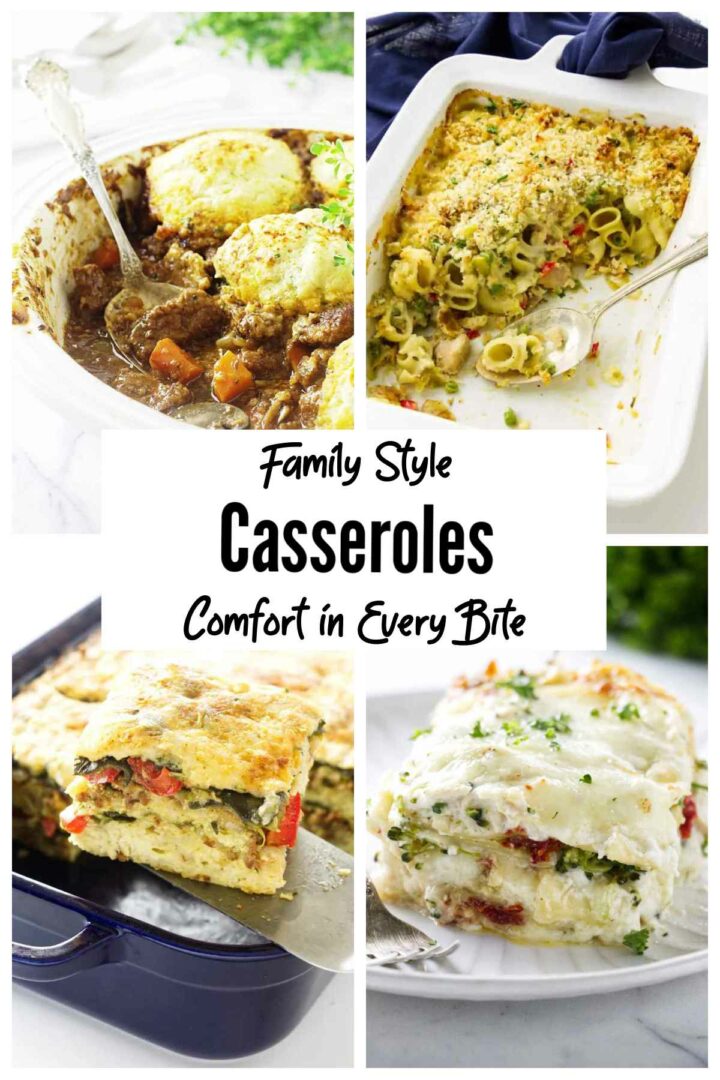
Are you tired of the nightly dinner struggle? Do you dream of a meal that’s both easy to make and guaranteed to please even the pickiest eaters? Imagine a world where cooking dinner is a joy, not a chore. Well, get ready to turn that dream into reality!
We all know how it goes. Between work, school, and after-school activities, finding the time and energy to prepare a delicious and satisfying meal can feel impossible. The pressure to create something everyone will enjoy, while also keeping things quick and simple, often leads to dinner-time dilemmas and reaching for the same old predictable dishes. This constant juggling act can leave you feeling stressed and uninspired in the kitchen.
This article is your answer to stress-free, crowd-pleasing dinners! We're diving into 18 easy casserole recipes that are perfect for busy families and gatherings. These recipes are designed to be simple, delicious, and use ingredients you probably already have on hand. From comforting classics to creative new twists, we've got something for everyone. Get ready to discover your new go-to dinner solutions!
This guide offers 18 easy casserole recipes to simplify family dinners and impress guests. We cover everything from family favorites like chicken and rice casserole and tater tot casserole to unique options that cater to different tastes and dietary needs. The focus is on easy preparation, readily available ingredients, and big flavors. Prepare to revolutionize your weeknight meals with these simple and satisfying casserole recipes. These recipes are perfect for busy weeknights, potlucks, or any occasion where you need a comforting and convenient meal. Casseroles: easy dinners, crowd-pleasing meals, family recipes, weeknight dinners.
Family Favorite Casseroles
Casseroles have always held a special place in my heart, conjuring up warm memories of my grandmother's kitchen. I remember the aroma of her cheesy potato casserole wafting through the house, instantly making me feel comforted and loved. It wasn't just the taste; it was the feeling of togetherness and the knowledge that a delicious, home-cooked meal was waiting for us. One time, I tried to recreate her recipe, but it just didn't taste the same. I soon realized that it wasn’t just about the ingredients, it was about the love and care she put into it.
The beauty of casseroles lies in their versatility and convenience. They're a fantastic way to use up leftover ingredients, reduce food waste, and create a complete meal in one dish. Whether you're craving a hearty meat-filled casserole, a cheesy vegetable bake, or a creamy pasta delight, there's a casserole recipe out there to satisfy every palate. Family favorite casseroles are more than just a meal; they're a tradition, a way to connect with loved ones, and a source of comfort and joy. They represent a shared experience, a collective memory, and a sense of belonging. So gather your family around the table, share a warm casserole, and create your own lasting memories.
The best part? Most casseroles can be assembled ahead of time, making them perfect for busy weeknights. Simply prepare the casserole in the morning or the night before, store it in the refrigerator, and pop it in the oven when you're ready to bake. This saves you time and effort, allowing you to focus on other things. Casseroles are also incredibly adaptable. Feel free to customize them to your liking by adding your favorite vegetables, cheeses, or spices. Get creative and experiment with different flavor combinations to create your own signature casserole recipes.
What is a Casserole?
At its core, a casserole is a baked dish typically cooked in a large, deep pan, also known as a casserole dish. It usually consists of a combination of ingredients, such as meat, vegetables, starch (like pasta, rice, or potatoes), and a sauce or binder. The beauty of a casserole is its versatility and simplicity. It's a one-dish meal that can be easily customized to suit your taste and dietary preferences. Think of it as a blank canvas for culinary creativity!
The key elements of a good casserole include a flavorful base, a variety of textures, and a cohesive sauce that ties everything together. The base can be anything from ground beef or chicken to vegetarian options like beans or lentils. Vegetables add color, nutrients, and depth of flavor, while the starch provides substance and helps to absorb the sauce. The sauce can be creamy, cheesy, or tomato-based, depending on the desired flavor profile. A topping, such as breadcrumbs, cheese, or crushed crackers, adds a crispy and satisfying finish. Casseroles are an excellent way to use up leftover ingredients, reduce food waste, and create a budget-friendly meal. They're also perfect for feeding a crowd, as they can be easily scaled up or down to accommodate any number of guests.
Beyond its practical benefits, a casserole is more than just a meal; it's a symbol of comfort, warmth, and tradition. It represents a shared experience, a collective memory, and a sense of belonging. Whether it's a classic tuna noodle casserole, a hearty shepherd's pie, or a cheesy broccoli rice casserole, each dish evokes feelings of nostalgia and reminds us of simpler times. Casseroles are a testament to the power of food to bring people together and create lasting memories.
History and Myths of Casseroles
The history of the casserole is surprisingly rich and diverse, dating back to ancient times. The concept of baking ingredients together in a single dish can be traced to early civilizations, where resources were scarce, and efficiency was key. However, the modern casserole as we know it today emerged in the 19th century, coinciding with the rise of affordable cookware and the increasing popularity of home cooking.
One of the earliest and most iconic casseroles is the shepherd's pie, a British classic consisting of minced meat topped with mashed potatoes. This dish has been around for centuries, with variations found in different cultures and regions. Another notable casserole is the macaroni and cheese, which gained popularity in the United States during the Great Depression as an affordable and satisfying meal. Over time, casseroles evolved to incorporate a wider range of ingredients and flavors, reflecting the changing culinary landscape.
Despite their popularity, casseroles have also been subject to certain myths and misconceptions. One common misconception is that casseroles are always unhealthy or laden with processed ingredients. While some casserole recipes may be high in fat and sodium, there are plenty of healthy and nutritious options available. By using fresh, whole ingredients and limiting processed foods, you can create a casserole that is both delicious and good for you. Another myth is that casseroles are only for casual dinners or potlucks. While casseroles are certainly convenient and crowd-pleasing, they can also be elevated to gourmet status with the right ingredients and techniques. Don't be afraid to experiment with different flavor combinations and presentation styles to create a casserole that is worthy of a special occasion.
Hidden Secrets of Casseroles
The true magic of casseroles lies not just in their simplicity and convenience, but also in their ability to be incredibly versatile and adaptable. The "secret" ingredient to a truly outstanding casserole isn't necessarily a specific spice or exotic vegetable, but rather the understanding of how different flavors and textures interact and complement each other. It's about building layers of deliciousness that create a harmonious and satisfying dish.
One often overlooked secret is the importance of seasoning. Don't be afraid to be generous with your herbs, spices, and salt. A well-seasoned casserole will have a depth of flavor that is both complex and comforting. Another secret is to use high-quality ingredients. The better the ingredients, the better the casserole will taste. Opt for fresh, seasonal vegetables, flavorful cheeses, and sustainably sourced meats whenever possible. Also, consider the importance of moisture. A dry casserole is never appealing, so make sure to add enough sauce or liquid to keep it moist and succulent. You can use anything from cream soup to broth to tomato sauce, depending on the desired flavor profile.
Finally, the most important secret of all is to have fun and experiment! Don't be afraid to try new flavor combinations, add your own personal touches, and get creative in the kitchen. Casseroles are a forgiving dish, so there's plenty of room for improvisation. Whether you're a seasoned cook or a beginner, you can create a delicious and memorable casserole that your family and friends will love.
Recommendations for Perfect Casseroles
When it comes to casseroles, choosing the right ingredients and techniques can make all the difference. My first recommendation is to always start with a high-quality base. Whether it's a protein like chicken, beef, or tofu, or a vegetable like potatoes, broccoli, or mushrooms, make sure it's fresh, flavorful, and cooked to perfection. Don't skimp on the seasonings either! A well-seasoned base will set the foundation for a delicious and satisfying casserole.
Next, consider the sauce. The sauce is what binds all the ingredients together and adds moisture and flavor. Creamy sauces, such as those made with cream of mushroom soup or béchamel, are classic choices, but don't be afraid to experiment with tomato-based sauces, cheese sauces, or even pesto. Make sure the sauce is thick enough to coat the ingredients without being too heavy or gloppy. Also, think about the texture. A good casserole should have a variety of textures, from the tender base to the crispy topping. Consider adding crunchy elements like breadcrumbs, crushed crackers, or fried onions to add visual appeal and textural contrast.
Finally, pay attention to the baking time and temperature. Overcooking a casserole can result in a dry, unappetizing dish, while undercooking can leave it soggy and undercooked. Follow the recipe instructions carefully, and use a meat thermometer to ensure that the internal temperature of the casserole reaches a safe and palatable level. With a little planning and attention to detail, you can create a casserole that is both delicious and visually appealing.
Different Variations of Casseroles
Casseroles come in an amazing array of variations, each offering a unique twist on this classic comfort food. One popular variation is the Mexican-inspired casserole, which typically features ingredients like ground beef, black beans, corn, salsa, and cheese. These casseroles are often topped with tortilla chips or sour cream for added flavor and texture. Another variation is the Italian-inspired casserole, which usually includes ingredients like pasta, marinara sauce, mozzarella cheese, and Italian sausage or meatballs. These casseroles are perfect for satisfying those pasta cravings in a convenient and satisfying way.
For vegetarians, there are plenty of delicious casserole options to choose from. Vegetable-based casseroles can feature a variety of seasonal vegetables, such as broccoli, cauliflower, carrots, and zucchini, combined with cheese, sauce, and a crispy topping. Bean casseroles are another great option, offering a hearty and protein-rich meal. These casseroles can be made with a variety of beans, such as black beans, kidney beans, or pinto beans, combined with vegetables, spices, and a flavorful sauce. Seafood casseroles are a less common but equally delicious option, featuring ingredients like shrimp, crab, scallops, and fish, combined with vegetables, sauce, and a cheesy topping.
Ultimately, the possibilities are endless when it comes to casserole variations. Don't be afraid to get creative and experiment with different flavor combinations and ingredients to create your own signature casserole recipes. Whether you're craving a classic comfort food or a unique and adventurous dish, there's a casserole out there to satisfy every palate.
Tips and Tricks for Perfect Casseroles
Mastering the art of casserole making is easier than you think! One of my top tips is to always pre-cook your ingredients. This is especially important for vegetables like potatoes, carrots, and broccoli, which can take longer to cook in the oven. Pre-cooking ensures that all the ingredients are tender and evenly cooked when the casserole is finished. You can steam, boil, or roast your vegetables ahead of time, depending on your preference. Another tip is to use a binder to hold your casserole together. This can be anything from a creamy sauce to a beaten egg to a can of condensed soup. The binder helps to keep the casserole moist and prevents it from falling apart when you serve it.
When layering your ingredients, start with the heaviest ingredients on the bottom and work your way up to the lighter ingredients on top. This will help to prevent the casserole from becoming soggy or unevenly cooked. Also, don't overcrowd the casserole dish. Overcrowding can lead to uneven cooking and a soggy casserole. If you have too many ingredients, divide them into two separate dishes. For the perfect crispy topping, sprinkle breadcrumbs, crushed crackers, or grated cheese over the top of the casserole before baking. You can also drizzle melted butter or olive oil over the topping for added flavor and richness.
Finally, let the casserole rest for a few minutes after baking before serving. This allows the flavors to meld together and the casserole to set properly. A few minutes of rest can make a big difference in the overall taste and texture of your casserole. With these tips and tricks in mind, you'll be well on your way to creating delicious and memorable casseroles that your family and friends will love.
Make-Ahead Casserole Tips
One of the biggest advantages of casseroles is their make-ahead potential, which makes them ideal for busy weeknights or when you're entertaining guests. To prepare a casserole ahead of time, simply assemble all the ingredients according to the recipe instructions, but don't bake it. Cover the casserole dish tightly with plastic wrap and store it in the refrigerator for up to 24 hours. When you're ready to bake it, remove the casserole from the refrigerator and let it sit at room temperature for about 30 minutes before placing it in the oven. This will help to prevent the dish from cracking due to the sudden temperature change.
Keep in mind that make-ahead casseroles may take slightly longer to bake than freshly assembled casseroles, so be sure to adjust the baking time accordingly. Check the casserole periodically to ensure that it's cooking evenly and not drying out. You can also freeze casseroles for longer storage. To freeze a casserole, assemble it in a freezer-safe dish and wrap it tightly with plastic wrap and aluminum foil. Label the casserole with the date and contents and store it in the freezer for up to 3 months. When you're ready to bake it, thaw the casserole in the refrigerator overnight before placing it in the oven. Frozen casseroles may also take longer to bake than freshly assembled casseroles, so be sure to adjust the baking time accordingly.
With a little planning and preparation, you can enjoy delicious and comforting casseroles any time of the week, without spending hours in the kitchen. Make-ahead casseroles are a lifesaver for busy families and anyone who loves to cook but doesn't always have the time. So go ahead and embrace the convenience and versatility of make-ahead casseroles!
Fun Facts about Casseroles
Did you know that the word "casserole" comes from the French word for a type of cooking pot? It's true! The term originally referred to the vessel in which the dish was cooked, but over time, it came to be used to describe the dish itself. Another fun fact is that casseroles have been around for centuries, with early versions dating back to ancient Rome. The Romans used earthenware pots to bake various ingredients together, creating simple and satisfying meals.
Casseroles became particularly popular in the United States during the Great Depression, as they were a budget-friendly way to feed a family. Ingredients like canned goods, pasta, and ground meat were often used to create hearty and filling casseroles that stretched the food budget. During the 1950s, casseroles experienced another surge in popularity, thanks to the introduction of convenience foods like cream of mushroom soup and canned vegetables. These ingredients made it even easier to whip up a quick and easy casserole for dinner. The world's largest casserole was created in 2011 in Oklahoma City, Oklahoma. It weighed over 10,000 pounds and contained ingredients like potatoes, cheese, and beef.
Casseroles have even made their way into popular culture, appearing in countless movies, TV shows, and books. They're often portrayed as a symbol of comfort, family, and home-cooked goodness. Whether you're a seasoned cook or a beginner, casseroles offer a fun and creative way to explore new flavors and ingredients. So go ahead and embrace the versatility and deliciousness of casseroles, and create your own fun facts to share with your family and friends.
How to Make the Perfect Casserole
Creating the perfect casserole is a culinary adventure that combines creativity, technique, and a dash of personal flair. Start by selecting high-quality ingredients that complement each other in flavor and texture. Fresh, seasonal vegetables, flavorful meats, and creamy cheeses are the building blocks of a delicious casserole. Next, consider the sauce. The sauce is what binds all the ingredients together and adds moisture and richness to the dish. Creamy sauces, tomato-based sauces, and cheese sauces are all popular choices, but don't be afraid to experiment with different flavors and combinations.
When layering your ingredients, start with the heaviest ingredients on the bottom and work your way up to the lighter ingredients on top. This will help to prevent the casserole from becoming soggy or unevenly cooked. Also, don't overcrowd the casserole dish. Overcrowding can lead to uneven cooking and a lackluster result. For the perfect crispy topping, sprinkle breadcrumbs, crushed crackers, or grated cheese over the top of the casserole before baking. You can also drizzle melted butter or olive oil over the topping for added flavor and richness. Bake the casserole at the recommended temperature and for the recommended time, or until it's golden brown and bubbly.
Let the casserole rest for a few minutes after baking before serving. This allows the flavors to meld together and the casserole to set properly. Garnish the casserole with fresh herbs, a sprinkle of cheese, or a dollop of sour cream for added visual appeal. Finally, serve the casserole with a side salad, crusty bread, or your favorite sides. With a little practice and experimentation, you'll be able to create the perfect casserole for any occasion. From weeknight dinners to holiday gatherings, casseroles are a versatile and delicious way to feed your family and friends.
What if Casseroles Went Extinct?
Imagine a world without casseroles. A world where the comforting aroma of baked cheese, savory meats, and tender vegetables no longer fills our kitchens. A world where the simple pleasure of sharing a warm and satisfying one-dish meal is just a distant memory. It's a bleak thought, isn't it? If casseroles were to disappear, we would lose more than just a convenient and delicious meal option. We would lose a piece of our culinary heritage, a symbol of family, and a source of comfort and nostalgia.
Without casseroles, we would have to rely on other meal options that may not be as versatile, affordable, or easy to prepare. Busy weeknights would become even more challenging, as we struggle to find the time and energy to cook elaborate meals from scratch. Potlucks and gatherings would be less festive, as we miss the opportunity to share our favorite casserole recipes with friends and family. The art of using up leftovers would be lost, as we struggle to find creative ways to repurpose ingredients and reduce food waste. The joy of experimenting with different flavors and combinations would be diminished, as we stick to tried-and-true recipes that lack the versatility and adaptability of casseroles.
Thankfully, the thought of casseroles going extinct is just a hypothetical scenario. Casseroles have been a beloved part of our culinary culture for centuries, and they continue to evolve and adapt to our changing lifestyles. With their endless variations, convenience, and comforting flavors, casseroles are sure to remain a staple in our kitchens for generations to come.
Listicle of 18 Easy Casserole Recipes
Here's a quick rundown of 18 easy casserole recipes perfect for family dinners: 1. Chicken and Rice Casserole: A classic comfort food with creamy chicken and fluffy rice.
2. Tater Tot Casserole: A crowd-pleasing favorite with crispy tater tots and savory ground beef.
3. Tuna Noodle Casserole: A budget-friendly and satisfying casserole with tuna, noodles, and a creamy sauce.
4. Shepherd's Pie: A hearty casserole with ground meat and a mashed potato topping.
5. Macaroni and Cheese Casserole: A cheesy and comforting casserole that's perfect for kids and adults alike.
6. Broccoli Cheese Casserole: A healthy and delicious casserole with broccoli and a creamy cheese sauce.
7. Green Bean Casserole: A classic holiday side dish with green beans, cream of mushroom soup, and fried onions.
8. Sweet Potato Casserole: A sweet and savory casserole with sweet potatoes, pecans, and marshmallows.
9. Corn Casserole: A creamy and sweet casserole with corn, cheese, and a buttery topping.
10. Breakfast Casserole: A savory casserole with eggs, sausage, cheese, and bread.
11. Pizza Casserole: A fun and easy casserole with pizza sauce, cheese, and your favorite pizza toppings.
12. Taco Casserole: A flavorful casserole with ground beef, taco seasoning, cheese, and tortilla chips.
13. Enchilada Casserole: A Mexican-inspired casserole with tortillas, cheese, and enchilada sauce.
14. Lasagna Casserole: A layered casserole with pasta, meat sauce, cheese, and ricotta cheese.
15. Baked Ziti Casserole: A simple and satisfying casserole with ziti pasta, tomato sauce, and cheese.
16. Chicken Pot Pie Casserole: A comforting casserole with chicken, vegetables, and a flaky crust.
17. Chili Cheese Dog Casserole: A fun and easy casserole with hot dogs, chili, and cheese.
18. French Toast Casserole: A sweet and decadent casserole with bread, eggs, milk, and cinnamon.
These are just a few of the many delicious casserole recipes you can try. With a little creativity and experimentation, you can create your own signature casserole recipes that your family and friends will love. So go ahead and embrace the versatility and convenience of casseroles, and start cooking up some deliciousness today!
Question and Answer about Casserole Recipes
Q: What makes a casserole "easy"?
A: Easy casseroles generally use simple ingredients that are readily available and require minimal prep work. Many also rely on shortcuts like canned soups or pre-cooked meats to save time.
Q: Can I freeze casseroles?
A: Absolutely! Most casseroles freeze well, making them great for meal prepping. Just make sure to wrap them tightly to prevent freezer burn. Thaw completely before baking.
Q: What are some good vegetarian casserole options?
A: Vegetable casseroles, bean casseroles, and pasta casseroles are all excellent vegetarian choices. Consider broccoli and cheese, black bean enchilada, or baked ziti.
Q: How can I make my casserole healthier?
A: Use lean proteins, load up on vegetables, and opt for whole-grain pasta or brown rice. You can also reduce the amount of cheese and cream used in the recipe.
Conclusion of 18 Easy Casserole Recipes for Crowd-Pleasing Family Dinners
Casseroles offer a simple, convenient, and delicious way to feed your family and friends. From classic comfort food to creative new twists, there's a casserole recipe out there for everyone. So, ditch the dinner-time stress and embrace the ease and versatility of casseroles. With a little planning and creativity, you can create memorable meals that bring people together around the table. Happy cooking!

Post a Comment
Post a Comment