Fluffy Pancake Recipe: Perfect Stack Every Time


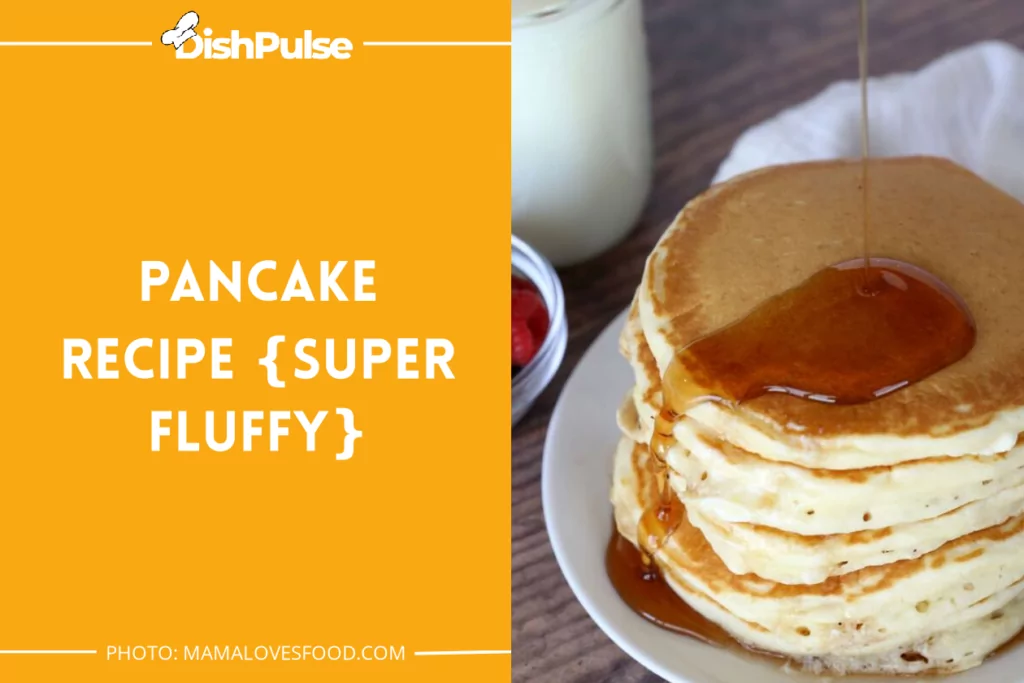
Imagine biting into a stack of pancakes so light and airy, they practically melt in your mouth. Forget those dense, flat disappointments of the past; we're talking cloud-like perfection, a breakfast experience that will change your pancake game forever.
Have you ever spent ages trying to make pancakes, only to end up with a sticky mess in the pan, or a pile of sad, flat discs? Maybe the insides were gooey while the outsides burned, or they tasted more like cardboard than a fluffy treat. It's a common breakfast woe, and it can be incredibly frustrating when you're craving that perfect pancake experience.
This recipe is your answer to achieving that perfect stack of fluffy pancakes every single time. We'll break down the secrets to light, airy pancakes that are golden brown, cooked through, and bursting with flavor. Say goodbye to pancake fails and hello to breakfast bliss!
We're about to dive into a world of fluffy pancake perfection. From understanding the key ingredients to mastering the cooking technique, you'll learn everything you need to create a stack that will impress your family and friends. Get ready to transform your mornings with this easy-to-follow recipe for the ultimate fluffy pancakes.
My Pancake Revelation
My pancake journey started much like anyone else's – with good intentions and less-than-stellar results. I remember countless Sunday mornings spent whisking, flipping, and ultimately, frowning at a plate of pancakes that were anything but fluffy. They were either too dense, too flat, or both. I tried different recipes, different techniques, even different pans, but nothing seemed to consistently deliver that light, airy texture I craved. One day, a friend shared a seemingly simple tip: don't overmix the batter. She explained that overmixing develops the gluten in the flour, resulting in tough pancakes. That small piece of advice was a game-changer. Suddenly, my pancakes started to rise, to become lighter, to resemble something closer to those picture-perfect stacks I'd always dreamed of. The texture was transformed! Now, my mornings are full of excitement to make this fluffy pancake recipe. It is amazing how something so simple can make such a difference!
This experience thought me that the secret to really great pancakes often lies in the details – from the ingredients you choose to how carefully you handle the batter. Pancakes are not only delicious to make, but eating pancakes together makes the environment more fun and exciting to experience!
The Science of Fluffiness
At its core, a fluffy pancake recipe relies on a few key scientific principles. The leavening agents, baking powder and baking soda, create bubbles within the batter. Baking powder provides a double-acting lift – once when it's mixed with wet ingredients and again when it's heated. Baking soda reacts with acidic ingredients like buttermilk (if using) to produce carbon dioxide, further contributing to the lightness. The gluten in the flour provides structure, but too much gluten development results in a tough pancake. Therefore, gentle mixing is essential. Air is also a crucial component. Lightly whisking the eggs incorporates air into the batter, contributing to the overall volume. A hot griddle or pan is also important for proper rising and even cooking. The heat causes the bubbles to expand, creating that signature fluffy texture. Fluffy pancakes are more than just the texture, it is also important to have some science to back it up!
Understanding the science behind pancake making empowers you to troubleshoot issues and adjust the recipe to your liking. Fluffy pancakes has been an amazing invention, and I hope it continues to evolve!
A Pancake Through Time: History and Myth
The humble pancake has a surprisingly rich history, dating back to ancient civilizations. Variations of flatbreads cooked on hot stones existed in ancient Greece and Rome. These early pancakes were often made with simple ingredients like flour, water, and honey. Over time, pancakes evolved with the addition of eggs, milk, and leavening agents, leading to the lighter, fluffier versions we enjoy today. Each culture has its own unique take on the pancake. In France, there are crepes, thin and delicate pancakes. In the Netherlands, there are pannenkoeken, larger and often savory pancakes. In America, the classic fluffy pancake reigns supreme. The story of pancakes are amazing and delicious. Pancakes truly are one of the best breakfast foods ever invented. The story of pancakes has been amazing, and I hope it continues to be!
Myths surrounding pancakes are less about their origin and more about their cultural significance. For many, pancakes are associated with comfort, family, and special occasions. They are a symbol of warmth and togetherness, often enjoyed during leisurely weekend breakfasts. These delicious treats are more than a meal, but also a form of togetherness.
The Hidden Secret: Ingredient Temperature
While many recipes focus on the mixing technique, one often-overlooked secret to truly fluffy pancakes is the temperature of your ingredients. Cold ingredients can hinder the leavening process and result in a flatter, denser pancake. Room temperature eggs, in particular, whip up more easily and incorporate more air into the batter. Similarly, room temperature milk or buttermilk mixes more evenly into the batter, preventing lumps and ensuring a smoother consistency. A small difference in temperature can mean a world of difference in fluffy pancakes.
Imagine trying to blend cold butter into a batter – it's much harder than using softened butter, right? The same principle applies to pancake batter. Room temperature ingredients blend together more seamlessly, creating a more homogenous batter that will rise more evenly when cooked. Temperature is everything when cooking fluffy pancakes.
Pancake Paradise: Toppings and Variations
The beauty of pancakes lies not only in their fluffy texture but also in their versatility. The possibilities for toppings and variations are endless! From classic maple syrup and butter to fresh berries and whipped cream, the options are only limited by your imagination. You can add chocolate chips, blueberries, bananas, or even nuts directly into the batter for extra flavor and texture. For a savory twist, try adding herbs, cheese, or cooked vegetables to the batter. Pancakes are truly one of the most flexible food options, and its variations are only limited to your mind.
Consider a stack of chocolate chip pancakes drizzled with peanut butter, or a batch of blueberry pancakes topped with lemon curd. You can experiment with different flours, such as whole wheat or almond flour, to add a nutritional boost or cater to dietary restrictions. Pancakes provide an amazing food palette to work with!
Level Up Your Pancakes: Tips for Perfection
Here are a few extra tips to elevate your pancake game: Use a preheated griddle or pan: Ensure your cooking surface is evenly heated before adding the batter. This will promote even cooking and prevent sticking. Don't overcrowd the pan: Cook pancakes in batches, leaving enough space between each one. This will allow them to cook properly and prevent them from steaming. Flip when bubbles appear: Wait until bubbles start to form on the surface of the pancakes before flipping. This indicates that the bottom is cooked and the pancake is ready to be turned. Use a thin spatula: A thin spatula will make it easier to flip the pancakes without tearing them. Keep pancakes warm: Place cooked pancakes on a wire rack in a warm oven (around 200°F) to keep them warm while you finish cooking the rest of the batch. Pancakes are a piece of art, and perfecting them is an amazing feat!
The Art of the Flip
Flipping a pancake may seem like a simple task, but mastering the art of the flip is crucial for achieving perfectly cooked pancakes. The key is timing. Wait until bubbles start to form on the surface of the pancake and the edges begin to set. Then, using a thin, flexible spatula, gently slide it under the pancake and flip it over in one swift motion. Avoid pressing down on the pancake after flipping, as this can deflate it. Only flip a pancake once. Over-flipping can result in a tough, flat pancake. You want the bottom of the pancake to be golden brown, so don't flip the pancake until the bottom is crispy.
A confident flip ensures that the second side cooks evenly and achieves that beautiful golden-brown color. A bad flip can potentially ruin a great pancake, so its important to ensure that your flipping technique is consistent. With enough practice, you will get the hang of flipping pancakes! I believe in you!
Pancake Troubleshooting: Common Issues and Solutions
Even with the best recipe, pancake problems can sometimes arise. If your pancakes are too flat, it could be due to overmixing the batter, using old baking powder, or not having a hot enough cooking surface. To fix this, try gently folding the batter instead of whisking it, ensure your baking powder is fresh, and preheat your griddle or pan thoroughly. If your pancakes are burning on the outside but still raw on the inside, it could be due to the heat being too high. Reduce the heat to medium-low and cook the pancakes for a longer period of time. It is important to know the potential mistakes when cooking fluffy pancakes.
Lumpy batter can also be a common issue. To avoid this, gradually add the dry ingredients to the wet ingredients, whisking gently until just combined. If your pancakes are sticking to the pan, it could be due to not having enough oil or butter on the cooking surface. Add a little more fat to the pan and ensure it is evenly distributed. With the right techniques, you will be able to overcome any pancake issue!
Fun Facts About Pancakes
Did you know that the world's largest pancake was over 49 feet in diameter? Or that Pancake Day, also known as Shrove Tuesday, is a tradition dating back centuries? Pancakes have been enjoyed throughout history, with each culture adding its own unique twist to the recipe. In some countries, pancakes are traditionally eaten with savory toppings, while in others, they are enjoyed with sweet sauces and fruits. In essence, pancakes have truly brought us all together.
The origins of Pancake Day lie in the need to use up rich foods like eggs and butter before the start of Lent. Pancakes became the perfect way to indulge in these ingredients before the fasting period began. These fun facts about pancakes have made me even more excited to make them, and it has gotten me more intrigued to make more!
How to Make Fluffy Pancakes: Step-by-Step
Let's get down to the nitty-gritty. The following is the simple recipe for fluffy pancakes:
- Gather your ingredients: 1 1/2 cups all-purpose flour, 3 1/2 teaspoons baking powder, 1 teaspoon salt, 1 tablespoon sugar, 1 1/4 cups milk, 1 egg, 3 tablespoons melted butter.
- In a large bowl, whisk together the flour, baking powder, salt, and sugar.
- In a separate bowl, whisk together the milk, egg, and melted butter.
- Pour the wet ingredients into the dry ingredients and gently fold until just combined. Do not overmix.
- Heat a lightly oiled griddle or pan over medium heat.
- Pour 1/4 cup of batter onto the hot griddle for each pancake.
- Cook for 2-3 minutes per side, or until golden brown and cooked through.
- Serve immediately with your favorite toppings. This recipe is the blueprint for an amazing stack of fluffy pancakes!
With enough repetition, you will be able to master this recipe with flying colors. The recipe will be easy to learn once you get a hang of it!
What If My Pancakes Aren't Fluffy? Troubleshooting Guide
Even with the best intentions, sometimes pancakes don't turn out as fluffy as we'd like. Here's a troubleshooting guide to help you identify the issue and find a solution:
Overmixing: If you overmix the batter, the gluten in the flour will develop, resulting in a tough pancake. Solution: Gently fold the wet ingredients into the dry ingredients until just combined.
Old baking powder: Baking powder loses its potency over time. Solution: Check the expiration date of your baking powder and replace it if necessary.
Not enough leavening: If you don't use enough baking powder, your pancakes won't rise properly. Solution: Make sure you're using the correct amount of baking powder as specified in the recipe.
Cold ingredients: Cold ingredients can hinder the leavening process. Solution: Use room temperature eggs and milk for best results.
Too much liquid: Too much liquid in the batter can result in flat pancakes. Solution: Adjust the amount of liquid in the recipe as needed.
With the ability to know where you went wrong, pancakes will become so much easier to make!
Top 5 Reasons to Love This Fluffy Pancake Recipe
1. It's easy to make: With simple ingredients and straightforward instructions, this recipe is perfect for beginner cooks.
- It's customizable: You can easily add your favorite toppings and variations to create a pancake that suits your taste.
- It's a crowd-pleaser: Everyone loves fluffy pancakes, making this recipe a guaranteed hit with family and friends.
- It's a comforting breakfast: Pancakes are the epitome of comfort food, perfect for starting the day on a positive note.
- It's a blank canvas: You can make pancakes sweet or savory. Either way, you're going to get a great breakfast. Pancakes are truly a food of all time, and I hope to see them stick around forever!
This top 5 list should convince you on how amazing pancakes are! Hopefully you are convinced and will want to give it a try!
Question and Answer
Q: Can I use self-rising flour instead of all-purpose flour and baking powder?
A: While you can use self-rising flour, it's best to omit the baking powder from the recipe. Self-rising flour already contains a leavening agent.
Q: Can I make the batter ahead of time?
A: It's best to cook the pancakes immediately after making the batter. If you let the batter sit for too long, the baking powder will lose its potency and the pancakes won't be as fluffy.
Q: Can I freeze leftover pancakes?
A: Yes, you can freeze leftover pancakes. Let them cool completely, then place them in a freezer-safe bag or container. Reheat them in the toaster or microwave.
Q: What can I use instead of milk?
A: Almond milk, soy milk, or any other non-dairy milk alternative can be used in place of milk.
Conclusion of Fluffy Pancake Recipe: Perfect Stack Every Time
So there you have it – everything you need to know to create the perfect stack of fluffy pancakes. From understanding the science behind fluffiness to mastering the art of the flip, you're now equipped to conquer any pancake challenge. Remember the importance of gentle mixing, ingredient temperature, and a hot cooking surface. Experiment with different toppings and variations to create your own signature pancake masterpiece. With a little practice and a lot of enthusiasm, you'll be enjoying cloud-like pancakes every morning. Go forth and create pancake perfection!

Post a Comment
Post a Comment