8 Caramelized Onion Recipes for Sweet Savory Perfection


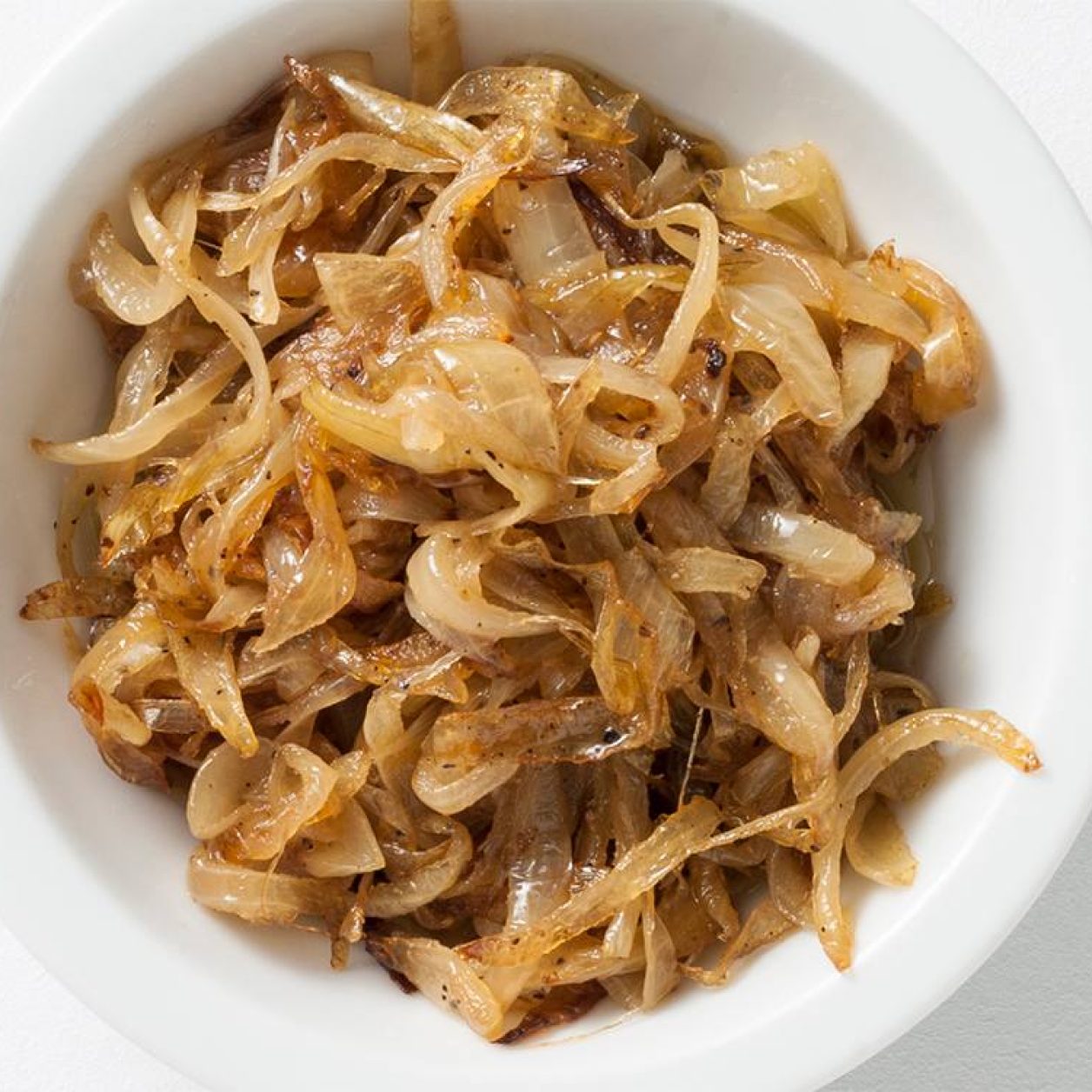
Imagine sinking your teeth into a dish where the humble onion transforms into something extraordinary – a symphony of sweet and savory that dances on your palate. Caramelized onions possess this magic, elevating ordinary meals to gourmet experiences. But how do you unlock this culinary potential and truly make them shine?
We've all been there, haven't we? Staring at a pile of sliced onions, dreaming of that deep, rich flavor, only to end up with something slightly browned and vaguely onion-y. The process can seem daunting, fraught with sticking, burning, and uneven cooking. And once you've finally achieved caramelized perfection, the question becomes: what do youdowith them?
This is your guide to mastering the art of caramelized onions. We're diving into eight delectable recipes that showcase the versatility and unmatched flavor of this kitchen staple. From savory tarts to sweet and tangy relishes, prepare to discover a world of culinary possibilities.
Ready to transform your cooking with the magic of caramelized onions? We'll explore recipes for savory tarts, comforting soups, flavorful pizzas, and more. Get ready to learn the secrets to achieving that perfect caramelized color and texture, and discover how to incorporate these gems into your everyday meals. These recipes demonstrate the deliciousness and flexibility caramelized onions provide.
Caramelized Onion and Goat Cheese Tart
The goal of this recipe is to create a visually stunning and incredibly flavorful tart that's perfect for appetizers, brunch, or a light dinner. The combination of the sweet caramelized onions, tangy goat cheese, and flaky crust is simply irresistible.
I still remember the first time I made a caramelized onion and goat cheese tart. I was hosting a small gathering and wanted to impress my friends with something a little more sophisticated than my usual fare. I spent what felt like an eternity slowly coaxing the onions to that perfect golden-brown hue, and the aroma filling my kitchen was heavenly. Assembling the tart felt almost artistic, layering the creamy goat cheese and sweet onions onto the crisp, buttery crust. The moment everyone took their first bite, I knew I had created something special. The sweet and savory combination was an instant hit, and I've been making it ever since. This recipe is the perfect entry point into the world of gourmet cooking. The caramelized onions provide a depth of flavor that elevates the entire dish, while the goat cheese adds a tangy creaminess that complements the sweetness beautifully. Don’t be afraid to experiment with different herbs, such as thyme or rosemary, to add another layer of complexity. Consider using a variety of onions, like red and yellow, for a more visually appealing and flavorful tart. Caramelized onions aren’t just an ingredient; they’re the star of the show.
Caramelized Onion Soup
This recipe seeks to create a deeply flavorful and comforting soup that's perfect for a chilly evening. The slow caramelization of the onions is key to developing the rich, complex flavor that makes this soup so special. It is a classic comfort food, known for its rich, savory flavor and heartwarming qualities. Slow cooking the onions allows their natural sugars to caramelize, resulting in a depth of flavor that is both sweet and savory. This process is essential for creating an authentic and delicious French onion soup.
Caramelized onions form the backbone of the soup, providing its characteristic sweetness and depth. To make the perfect Caramelized Onion Soup, start with plenty of onions and a generous amount of butter or oil. Cook them slowly over low heat, stirring occasionally, until they are deeply browned and caramelized. This process can take up to an hour, but it is well worth the effort. Once the onions are caramelized, add beef broth, thyme, and bay leaf to create a flavorful base. Simmer the soup for at least 30 minutes to allow the flavors to meld together. The soup is traditionally served with a slice of crusty bread topped with melted Gruyère cheese. The combination of the rich soup, the crusty bread, and the melted cheese creates a truly unforgettable culinary experience. Feel free to experiment with different types of cheese, such as Swiss or provolone. You can also add a splash of sherry or brandy to the soup for an extra layer of flavor.
The History and Myth of Caramelized Onions
The target is to explore the origins of caramelized onions and unravel any myths surrounding their preparation, while providing a deeper appreciation for this versatile ingredient.
While it's difficult to pinpoint the exact origin of caramelized onions, the technique of slowly cooking onions to bring out their sweetness has been around for centuries. Onions themselves have been cultivated for over 5000 years, and ancient civilizations like the Egyptians and Romans valued them for both culinary and medicinal purposes. The concept of caramelization, the browning of sugars, has likely been observed and utilized in cooking for a long time as well. The popularization of caramelized onions as we know them today, with their sweet and savory flavor profile, likely developed over time as culinary techniques evolved and chefs began to experiment with different cooking methods. There are several myths surrounding the preparation of caramelized onions. One common myth is that you need to add sugar to achieve the desired sweetness. However, the natural sugars in onions are sufficient for caramelization; adding extra sugar can actually make them overly sweet and detract from the savory depth. Another myth is that you need to cook the onions over high heat to speed up the process. This will only result in burnt onions with a bitter taste. The key to perfect caramelization is low and slow cooking, allowing the onions to release their moisture and develop their natural sweetness. Finally, some believe that you need to stir the onions constantly to prevent them from sticking. While occasional stirring is necessary, too much stirring can disrupt the caramelization process. Let the onions sit undisturbed for periods of time to allow them to brown properly. The magic of caramelized onions lies in the patience and care taken during their preparation. Understanding their history and debunking the myths can help you unlock their full potential in your cooking.
The Hidden Secrets to Perfect Caramelized Onions
The aim here is to reveal the tips and tricks that professional chefs use to achieve perfectly caramelized onions every time, allowing home cooks to replicate restaurant-quality results.
The real secret lies not just in the ingredients, but in the technique. It's all about time, temperature, and patience. Start with a good quality pan – a heavy-bottomed pan, preferably cast iron, will distribute heat evenly and prevent scorching. Don't overcrowd the pan; cook the onions in batches if necessary to ensure they caramelize properly. Use a generous amount of fat, whether it's butter, olive oil, or a combination of both. The fat helps to conduct heat and prevents the onions from sticking to the pan. Maintain a low and steady heat, allowing the onions to slowly release their moisture and develop their natural sweetness. Stir occasionally, but not too frequently, scraping up any browned bits from the bottom of the pan. These browned bits, known as fond, are packed with flavor and will add depth to the caramelized onions. A pinch of salt early in the cooking process will help to draw out moisture from the onions and accelerate the caramelization process. A splash of balsamic vinegar or dry sherry towards the end of cooking can add a touch of acidity and complexity. Don't be afraid to experiment with different types of onions. Yellow onions are a classic choice, but red onions, Vidalia onions, and shallots can also be used to create unique flavor profiles. Finally, remember that caramelizing onions is a labor of love. It takes time and attention, but the end result is well worth the effort. With a little practice and these hidden secrets, you'll be able to create perfectly caramelized onions that will elevate any dish.
Recommendations for Using Caramelized Onions
This section aims to provide practical and inspiring ideas for incorporating caramelized onions into a wide range of dishes, showcasing their versatility and flavor-enhancing properties.
Caramelized onions are incredibly versatile and can be used in countless ways to add depth and complexity to your cooking. One of my favorite ways to use them is as a topping for grilled burgers or sandwiches. The sweet and savory flavor of the onions perfectly complements the richness of the meat and the tanginess of the condiments. They're also fantastic on pizzas, adding a touch of sweetness and sophistication to a classic comfort food. Try pairing them with goat cheese, arugula, and balsamic glaze for a gourmet pizza experience. Caramelized onions are a wonderful addition to soups and stews, adding depth and richness to the broth. They're especially delicious in French onion soup, but they can also be used to enhance other soups, such as tomato soup or potato soup. Incorporate them into savory tarts and quiches for a flavorful and elegant dish. The sweetness of the onions pairs beautifully with the richness of the eggs and cheese. Consider adding them to scrambled eggs or omelets for a simple and delicious breakfast. They're also a great addition to dips and spreads, adding a touch of sweetness and complexity. Try mixing them with cream cheese, sour cream, or hummus for a unique and flavorful appetizer. Finally, don't forget about using caramelized onions as a condiment. They can be used to top grilled meats, roasted vegetables, or even simply spread on crackers. The possibilities are endless when it comes to caramelized onions.
Pairing Caramelized Onions with Different Flavors
The intent is to explore the harmonious relationships between caramelized onions and various other ingredients, providing readers with ideas for creating balanced and delicious flavor combinations.
Caramelized onions are a flavor chameleon, adapting beautifully to a wide range of culinary partners. Their sweetness and savory depth make them a versatile ingredient that can enhance both sweet and savory dishes. When pairing caramelized onions with cheese, consider using tangy and creamy varieties like goat cheese, brie, or Gruyère. The tanginess of the cheese will balance the sweetness of the onions, creating a harmonious and satisfying flavor combination. For meat pairings, caramelized onions work well with rich and savory meats like beef, pork, and lamb. The sweetness of the onions will complement the richness of the meat, adding depth and complexity to the dish. When pairing caramelized onions with vegetables, consider using earthy and robust vegetables like mushrooms, potatoes, and Brussels sprouts. The earthy flavors of the vegetables will complement the sweetness of the onions, creating a balanced and flavorful dish. You can also pair them with herbs and spices. Thyme, rosemary, and sage are classic herbs that pair well with caramelized onions. For spices, consider using paprika, cumin, or smoked paprika to add a touch of warmth and smokiness. Experiment with different flavor combinations to discover your favorites. Don't be afraid to try new things and push the boundaries of your culinary creativity. The key is to find a balance of flavors that complements each other and creates a truly memorable dining experience.
Tips and Tricks for Storing Caramelized Onions
The objective is to provide practical advice on how to properly store caramelized onions to maintain their flavor and texture, ensuring that they're readily available for use in future recipes.
Proper storage is key to preserving the flavor and texture of your caramelized onions. When stored correctly, they can last for up to a week in the refrigerator or several months in the freezer. Before storing, allow the caramelized onions to cool completely. This will prevent condensation from forming, which can lead to spoilage. Store the cooled onions in an airtight container. This will protect them from absorbing odors from other foods in the refrigerator and prevent them from drying out. For refrigerator storage, the best option is to use glass containers with tight-fitting lids. Label the container with the date so you know when the onions were made. For freezer storage, divide the caramelized onions into small portions and place them in freezer-safe bags or containers. This will make it easier to thaw only the amount you need. Press out as much air as possible from the bags before sealing them to prevent freezer burn. Thaw frozen caramelized onions in the refrigerator overnight before using. You can also thaw them in the microwave, but be careful not to overcook them. If you notice any signs of spoilage, such as mold or an off odor, discard the caramelized onions immediately. With proper storage, you can enjoy the delicious flavor of caramelized onions in your recipes for weeks to come.
Troubleshooting Common Caramelization Issues
The goal here is to address common challenges faced during the caramelization process and provide solutions to ensure a successful outcome.
Even with the best intentions, things can sometimes go wrong during the caramelization process. One common issue is that the onions burn before they caramelize. This is usually caused by cooking the onions over too high heat or not stirring them frequently enough. To prevent this, reduce the heat to low and stir the onions occasionally, scraping up any browned bits from the bottom of the pan. Another common issue is that the onions don't caramelize evenly. This can be caused by overcrowding the pan or not using a heavy-bottomed pan. To ensure even caramelization, cook the onions in batches if necessary and use a heavy-bottomed pan to distribute heat evenly. Sometimes the onions end up too sweet. This can be caused by adding too much sugar or cooking the onions for too long. To prevent this, don't add any extra sugar and monitor the onions closely during the cooking process. If the onions are too dry, add a splash of water or broth to the pan to help them release their moisture. If the onions are too watery, increase the heat slightly and cook them for a few more minutes to evaporate the excess liquid. Don't be afraid to experiment and adjust the cooking time and temperature as needed to achieve the desired results. The key is to be patient and attentive, and with a little practice, you'll be able to overcome any challenges and create perfectly caramelized onions every time.
Fun Facts About Onions and Caramelization
The purpose is to share some interesting and lesser-known facts about onions and the science of caramelization, adding an element of fun and education to the post.
Did you know that onions are a member of the Allium family, which also includes garlic, shallots, and leeks? These vegetables are known for their distinctive pungent aroma and flavor, which is due to the presence of sulfur compounds. The process of caramelization is a complex chemical reaction that occurs when sugars are heated. During caramelization, the sugars break down and form hundreds of different compounds, which contribute to the unique flavor and aroma of caramelized onions. The Maillard reaction, another important chemical reaction in cooking, also plays a role in the caramelization process. The Maillard reaction occurs when amino acids and reducing sugars react at high temperatures, resulting in browning and the development of complex flavors. Onions are rich in antioxidants, which can help to protect your body against damage from free radicals. They also contain compounds that have been shown to have anti-inflammatory and anti-cancer properties. The tears that you shed when cutting onions are caused by a chemical called propanethial S-oxide, which irritates the eyes. To reduce tearing, try chilling the onions before cutting them or using a sharp knife to minimize cell damage. Caramelized onions can be used to add flavor to a wide variety of dishes, from soups and stews to pizzas and sandwiches. They're also a great addition to dips and spreads, adding a touch of sweetness and complexity. So next time you're cooking with onions, take a moment to appreciate their unique properties and the fascinating science behind caramelization.
How to Use Caramelized Onions in Vegetarian Dishes
The objective is to provide specific examples and recipes that demonstrate how caramelized onions can enhance the flavor and depth of vegetarian meals.
Caramelized onions are a vegetarian cook's best friend, adding a layer of savory sweetness that can transform even the simplest dishes. They bring a depth of flavor that can often be missing in vegetarian cooking, making them an essential ingredient in many recipes. Consider adding caramelized onions to veggie burgers for a boost of flavor and moisture. They pair particularly well with black bean burgers, lentil burgers, and mushroom burgers. Caramelized onions are a delicious addition to grilled cheese sandwiches, especially when paired with sharp cheddar or Gruyère cheese. They also make a great topping for vegetarian pizzas, adding a touch of sweetness and sophistication. Try pairing them with goat cheese, spinach, and balsamic glaze for a gourmet pizza experience. Incorporate caramelized onions into vegetarian tarts and quiches for a flavorful and elegant dish. They pair well with spinach, mushrooms, and cheese. Caramelized onions are a wonderful addition to vegetarian soups and stews, adding depth and richness to the broth. They're especially delicious in lentil soup, vegetable soup, and tomato soup. Try using them as a topping for baked potatoes or sweet potatoes for a simple and satisfying meal. They pair well with sour cream, chives, and cheese. Finally, don't forget about using caramelized onions in vegetarian pasta dishes. They can be added to tomato sauce, pesto sauce, or cream sauce for a boost of flavor.
What if You Don't Like Onions?
The aim is to address the concerns of those who typically dislike onions and explore ways to introduce them in a more palatable form, particularly through caramelization.
Okay, let's address the elephant in the room: What if you're not a fan of onions? The pungent flavor and sometimes overpowering aroma can be a deal-breaker for some. However, caramelization transforms the humble onion into something completely different. The slow cooking process mellows out the sharp bite and brings out the natural sweetness, creating a flavor that is much more subtle and nuanced. If you typically avoid onions, caramelized onions might just change your mind. The key is to start with a small amount and gradually increase it as you become more accustomed to the flavor. Try using them in dishes where they are combined with other strong flavors, such as cheese, herbs, and spices. This will help to balance out the sweetness of the onions and create a more harmonious flavor profile. If you're still hesitant, consider using milder varieties of onions, such as Vidalia onions or sweet onions. These onions have a naturally sweeter flavor and are less likely to be overpowering. You can also try using shallots instead of onions. Shallots have a more delicate flavor and caramelize beautifully. Don't give up on onions just yet. Caramelization can be a game-changer, transforming them into a delicious and versatile ingredient that even onion haters can enjoy.
Listicle: 8 Creative Ways to Use Caramelized Onions
The goal is to provide a concise and visually appealing list of creative ideas for using caramelized onions in various culinary applications.
Here's a quick rundown of exciting ways to bring caramelized onions into your kitchen:
1.Elevate your burgers: Swap out raw onion for a generous dollop of caramelized onions for a gourmet burger experience.
2.Pizza perfection: Top your homemade or store-bought pizza with caramelized onions, goat cheese, and balsamic glaze.
3.Soup superstar: Add depth and richness to your favorite soup recipes with a spoonful or two of caramelized onions.
4.Savory tarts: Create elegant and flavorful tarts with a caramelized onion and cheese filling.
5.Grilled cheese upgrade: Transform a simple grilled cheese sandwich into a culinary masterpiece with caramelized onions and Gruyère cheese.
6.Omelet enhancer: Add caramelized onions to your morning omelet for a touch of sweetness and sophistication.
7.Dip delight: Mix caramelized onions into your favorite dips, such as hummus or French onion dip.
8.Condiment champion: Use caramelized onions as a condiment for grilled meats, roasted vegetables, or even simply spread on crackers. These are just a few ideas to get you started. With a little creativity, you can find countless ways to incorporate caramelized onions into your cooking. So go ahead, experiment and discover your favorite ways to use this delicious ingredient.
Question and Answer Section
Here are some frequently asked questions about caramelized onions:
Q: How long does it take to caramelize onions?
A: The caramelization process typically takes 30-45 minutes, depending on the heat and the amount of onions you're cooking. The key is to cook them slowly over low heat, stirring occasionally, until they are deeply browned and caramelized.
Q: What type of onions are best for caramelizing?
A: Yellow onions are a classic choice for caramelizing, but red onions, Vidalia onions, and shallots can also be used. Each type of onion will impart a slightly different flavor to the finished product.
Q: Do I need to add sugar to caramelize onions?
A: No, you don't need to add sugar. The natural sugars in onions are sufficient for caramelization. Adding extra sugar can actually make them overly sweet and detract from the savory depth.
Q: How do I prevent my onions from burning while caramelizing?
A: To prevent burning, cook the onions over low heat and stir them occasionally, scraping up any browned bits from the bottom of the pan. If the onions start to dry out, add a splash of water or broth to the pan.
Conclusion of 8 Caramelized Onion Recipes for Sweet Savory Perfection
Caramelized onions are a culinary treasure, offering a unique blend of sweet and savory flavors that can elevate a wide range of dishes. From simple weeknight meals to elegant gourmet creations, the possibilities are endless. By mastering the art of caramelization and exploring these eight delectable recipes, you can unlock the full potential of this versatile ingredient and transform your cooking into something truly special. So get ready to embrace the magic of caramelized onions and embark on a culinary adventure that will tantalize your taste buds and impress your friends and family. With a little patience and practice, you'll be able to create dishes that are bursting with flavor and complexity, all thanks to the humble onion.

Post a Comment
Post a Comment