25 Healthy Meal Prep Recipes to Save Time and Money All Week


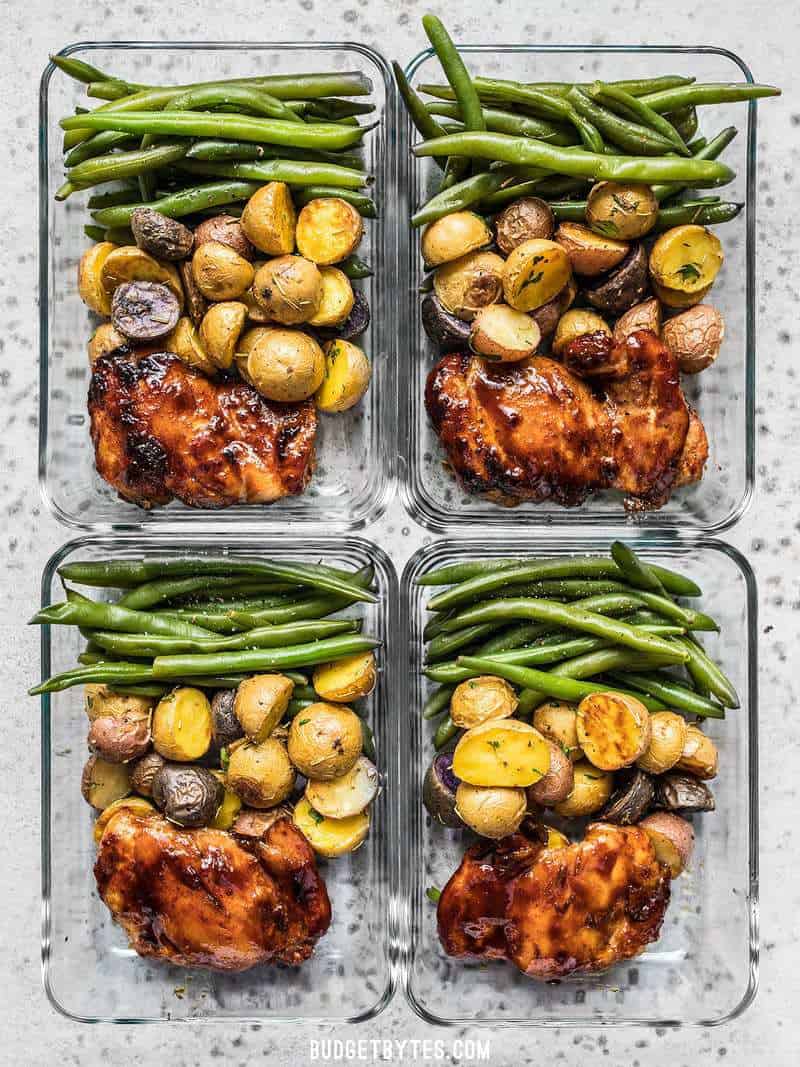
Imagine a week where delicious, healthy meals are ready whenever you are, without the stress of daily cooking. Sounds too good to be true? It's not! Meal prepping can be a game-changer for your health, your wallet, and your peace of mind.
Juggling work, family, and other commitments can leave you feeling like you're constantly short on time and energy. This often leads to quick, unhealthy meal choices that drain your bank account and leave you feeling sluggish. The struggle to find time for grocery shopping, cooking, and cleaning up afterward can feel overwhelming.
This guide is your passport to a week filled with wholesome, budget-friendly meals, all thanks to the power of meal prepping. We're diving into 25 healthy and delicious recipes that will not only save you time and money but also nourish your body from the inside out. Get ready to transform your week with these easy-to-follow meal prep ideas!
This article provides you with 25 delicious and healthy meal prep recipes designed to save you time and money throughout the week. We'll explore the benefits of meal prepping, delve into specific recipe ideas, and offer practical tips to make the process easy and enjoyable. Keywords include healthy eating, meal prep, saving time, saving money, healthy recipes, and budget-friendly meals.
Why Meal Prep is a Game Changer
For years, I stumbled through my weekdays relying on takeout or hastily thrown-together meals. The results were predictable: my energy levels were all over the place, my wallet felt perpetually lighter, and my overall health suffered. I knew I needed to make a change, but the thought of spending hours in the kitchen each week felt daunting. That's when I discovered the magic of meal prepping. At first, it seemed like a chore, but I quickly realized how much time and energy it actually saved me. No more last-minute grocery runs or agonizing over what to eat for dinner. Instead, I had a fridge full of delicious, healthy meals ready to go whenever I needed them. The impact was immediate: I felt more energized, more focused, and less stressed. My bank account even started to look a little healthier too! Meal prepping isn't just about cooking in advance; it's about reclaiming your time, prioritizing your health, and taking control of your week. This is the ultimate life hack for anyone who wants to eat well without spending hours in the kitchen every day. It's about creating a sustainable system that supports your health goals and makes your life easier. It can be a simple as preparing a batch of overnight oats for breakfast or roasting a tray of vegetables to add to salads and bowls throughout the week. The key is to find a system that works for you and stick with it.
What Exactly IS Meal Prep?
Meal prep, at its core, is the practice of preparing meals or components of meals in advance to be consumed later. It's a proactive approach to eating that allows you to plan and control your diet, ensuring you're making healthy and cost-effective choices. Meal prepping isn't about spending an entire Sunday slaving away in the kitchen. It can be as simple as chopping vegetables and portioning out snacks for the week. It's about making small, intentional choices that add up to big results. There are several different approaches to meal prepping. Some people prefer to cook entire meals in advance, portioning them into individual containers for easy grab-and-go lunches and dinners. Others prefer to prep individual ingredients, such as cooked grains, roasted vegetables, or grilled chicken, and then assemble their meals as needed. The best approach depends on your individual preferences, lifestyle, and goals. The benefits of meal prepping are numerous. By planning your meals in advance, you can avoid impulsive, unhealthy choices when you're hungry and short on time. You can also save money by buying ingredients in bulk and avoiding expensive takeout. Meal prepping also allows you to control the ingredients in your meals, ensuring you're eating whole, unprocessed foods. The result is a healthier, more balanced diet that supports your overall well-being.
The History and Myths of Meal Prep
While the term "meal prep" might seem like a modern trend, the concept of preparing food in advance has been around for centuries. Think about the historical practices of preserving food through canning, drying, and fermenting. These methods allowed people to store food for later consumption, ensuring they had sustenance during times of scarcity. So, in a way, our ancestors were the original meal preppers! One common myth about meal prep is that it's only for bodybuilders or serious athletes. This couldn't be further from the truth. Meal prepping is for anyone who wants to save time, eat healthier, and save money. Another myth is that it's incredibly time-consuming and requires advanced cooking skills. While some meal prep recipes are more complex, there are plenty of easy and beginner-friendly options available. You don't need to be a gourmet chef to successfully meal prep. There's also a misconception that meal prepping is boring and repetitive. The key to keeping meal prep interesting is to experiment with different recipes, flavors, and ingredients. Don't be afraid to try new things and find what works best for you. Finally, some people believe that meal prepping is only about eating "clean" or restrictive diets. However, meal prepping can be adapted to any dietary preferences or needs, whether you're vegan, vegetarian, gluten-free, or simply trying to eat a more balanced diet. The goal is to create a meal plan that you enjoy and that supports your individual health goals.
Unlocking the Hidden Secrets of Meal Prep
One of the biggest hidden secrets of successful meal prepping is the power of planning. Before you even step foot in the kitchen, take the time to plan out your meals for the week. Consider your schedule, your dietary needs, and your budget. Create a shopping list based on your meal plan and stick to it. This will help you avoid impulse purchases and ensure you have all the ingredients you need on hand. Another secret is to utilize your freezer. The freezer is your best friend when it comes to preserving leftovers and extending the shelf life of your meal prep creations. Portion out your meals into freezer-safe containers and label them with the date and contents. This way, you can easily pull out a meal whenever you need it. Don't underestimate the power of batch cooking. When you're already in the kitchen, why not double or triple your recipes? This will save you time and effort in the long run. Freeze the extra portions for future meals or use them as ingredients in other dishes. Another secret is to invest in good quality containers. Choose containers that are durable, leak-proof, and microwave-safe. This will make your meal prepping experience much more enjoyable and ensure your food stays fresh. Finally, don't be afraid to ask for help. If you're feeling overwhelmed, enlist the help of a friend or family member. Cooking together can be a fun and social activity, and it will make the meal prepping process go by much faster.
Our Top Meal Prep Recommendations
If you're just starting out with meal prepping, it's best to start small and gradually increase the number of meals you prepare in advance. Choose a few simple recipes that you enjoy and that are easy to make. Don't try to overhaul your entire diet overnight. One of our top recommendations is to focus on prepping breakfast and lunch for the week. These are often the meals that people struggle with the most when they're busy. Prepare a batch of overnight oats, breakfast burritos, or mason jar salads for a quick and easy breakfast. For lunch, try prepping a big batch of quinoa salad, roasted vegetables, or grilled chicken. Another recommendation is to invest in a good quality slow cooker or Instant Pot. These appliances are perfect for making large batches of soups, stews, and chili. Simply throw all the ingredients into the pot and let it cook while you go about your day. You'll come home to a delicious and healthy meal that's ready to eat. We also recommend utilizing pre-cut vegetables and fruits. This can save you a lot of time and effort in the kitchen. Many grocery stores offer pre-cut options, such as chopped onions, diced peppers, and sliced carrots. If you're short on time, these can be a lifesaver. Finally, don't be afraid to get creative with your meal prep. Experiment with different flavors, spices, and ingredients. The more you enjoy your meals, the more likely you are to stick with your meal prepping routine.
Essential Meal Prep Tools
Having the right tools can make meal prepping significantly easier and more efficient. While you don't need to invest in expensive gadgets, a few key items can make a big difference. First and foremost, invest in a set of good quality food storage containers. Look for containers that are durable, leak-proof, and microwave-safe. Glass containers are a great option because they're non-toxic and easy to clean. However, plastic containers are also a good choice if you're on a budget. A good set of knives is also essential for meal prepping. A sharp chef's knife, a paring knife, and a serrated knife will cover most of your cutting needs. A cutting board is another must-have item. Choose a cutting board that's large enough to accommodate all of your ingredients and that's easy to clean. A set of measuring cups and spoons is also important for accurate cooking and portioning. Make sure you have both dry and liquid measuring cups. A food scale can be helpful for portioning out your meals, especially if you're tracking your calorie intake. A slow cooker or Instant Pot can be a lifesaver for making large batches of soups, stews, and chili. A blender or food processor can be useful for making smoothies, sauces, and dips. Finally, don't forget about the basics, such as mixing bowls, spatulas, and tongs. Having the right tools will make your meal prepping experience much more enjoyable and efficient.
Top Tips for Successful Meal Prep
Consistency is key when it comes to meal prepping. Set aside a specific day and time each week to dedicate to meal prepping. This will help you stay on track and avoid falling back into unhealthy eating habits. Start with a simple meal plan. Don't try to overcomplicate things when you're just starting out. Choose a few easy recipes that you enjoy and that are easy to make. Gradually increase the number of meals you prepare in advance as you become more comfortable with the process. Focus on prepping ingredients rather than entire meals. This can save you a lot of time and effort. Chop vegetables, cook grains, and grill chicken in advance, and then assemble your meals as needed. Utilize your freezer. The freezer is your best friend when it comes to preserving leftovers and extending the shelf life of your meal prep creations. Portion out your meals into freezer-safe containers and label them with the date and contents. Get creative with your leftovers. Don't be afraid to repurpose leftovers into new and exciting meals. For example, leftover roasted chicken can be used in salads, sandwiches, or tacos. Make it a family affair. Enlist the help of your family members to make meal prepping more fun and efficient. Delegate tasks such as chopping vegetables, washing dishes, and packing containers. Don't be afraid to experiment. Try new recipes, flavors, and ingredients. The more you enjoy your meals, the more likely you are to stick with your meal prepping routine. Finally, be patient with yourself. It takes time to develop a successful meal prepping routine. Don't get discouraged if you slip up or miss a week. Just get back on track the following week.
Overcoming Common Meal Prep Obstacles
Even with the best intentions, you might encounter some obstacles along your meal prepping journey. One common obstacle is lack of time. If you're short on time, try breaking down your meal prep into smaller tasks that you can complete throughout the week. For example, you could chop vegetables on Monday night, cook grains on Tuesday night, and grill chicken on Wednesday night. Another obstacle is lack of motivation. If you're feeling unmotivated, try finding a meal prep buddy. Cooking with a friend or family member can make the process more fun and social. You can also reward yourself for completing your meal prep each week. For example, you could treat yourself to a relaxing bath or a night out with friends. Another obstacle is getting bored with your meals. To avoid boredom, try experimenting with different recipes, flavors, and ingredients. You can also try swapping meals with a friend or family member to add some variety to your diet. Another obstacle is running out of ingredients. To avoid running out of ingredients, make sure you create a detailed shopping list before you go to the grocery store. You can also stock up on pantry staples such as canned beans, rice, and pasta. Finally, don't be afraid to ask for help. If you're struggling with meal prepping, reach out to a registered dietitian or nutritionist for guidance. They can help you create a meal plan that's tailored to your individual needs and goals.
Fun Facts About Meal Prep
Did you know that meal prepping can actually reduce food waste? By planning your meals in advance, you're less likely to buy unnecessary ingredients that end up going bad. In fact, studies have shown that meal prepping can reduce food waste by up to 25%. Another fun fact is that meal prepping can save you a significant amount of money. By avoiding expensive takeout and restaurant meals, you can save hundreds or even thousands of dollars each year. One study found that people who meal prep save an average of $1,000 per year. Meal prepping can also boost your creativity in the kitchen. By experimenting with different recipes, flavors, and ingredients, you can discover new and exciting meals that you never thought possible. It's a great way to expand your culinary skills and impress your friends and family. Meal prepping can also improve your mental health. By taking control of your diet and planning your meals in advance, you can reduce stress and anxiety related to food choices. It's a great way to promote a sense of calm and well-being. Finally, did you know that meal prepping can actually be a fun and social activity? Cooking with friends or family members can make the process more enjoyable and rewarding. It's a great way to bond and create lasting memories.
How To Start Meal Prepping Today
Getting started with meal prepping doesn't have to be overwhelming. The key is to start small and gradually build your way up. First, choose one or two recipes that you want to try. Look for recipes that are simple, healthy, and easy to make. Don't try to overhaul your entire diet overnight. Next, create a shopping list based on your chosen recipes. Be sure to include all the ingredients you need, as well as any necessary kitchen tools. Then, set aside a specific day and time to dedicate to meal prepping. This could be a Sunday afternoon, a weeknight evening, or any other time that works for you. Before you start cooking, clear your countertops and gather all your ingredients and tools. This will help you stay organized and focused. Follow the recipes carefully, and be sure to taste your food as you go. Adjust the seasonings as needed to suit your preferences. Once your meals are cooked, portion them out into individual containers. Label the containers with the date and contents. Store your meal prep containers in the refrigerator or freezer. Be sure to consume your refrigerated meals within 3-4 days and your frozen meals within 1-2 months. Finally, enjoy the convenience and health benefits of meal prepping. With a little planning and effort, you can transform your diet and your life.
What If I Don't Meal Prep?
Choosing not to meal prep can lead to a variety of consequences, impacting both your health and your finances. One of the most common consequences is relying on quick and convenient, but often unhealthy, meal options. This can lead to a diet that's high in processed foods, unhealthy fats, and added sugars, which can contribute to weight gain, fatigue, and other health problems. Another consequence is spending more money on food. Eating out or ordering takeout frequently can be expensive, especially compared to cooking meals at home. Over time, these costs can add up significantly, impacting your budget and financial goals. Without a plan, you're more likely to make impulsive food choices, grabbing whatever is easiest or most appealing at the moment. This can lead to a diet that lacks essential nutrients and is not aligned with your health goals. The lack of control over ingredients and portion sizes can also make it difficult to manage your weight and maintain a healthy lifestyle. Preparing meals yourself allows you to choose fresh, whole ingredients and control the amount of salt, sugar, and fat that goes into your food. This can have a positive impact on your overall health and well-being. Ultimately, the decision of whether or not to meal prep is a personal one. However, understanding the potential consequences of not meal prepping can help you make an informed choice that aligns with your health and financial goals.
25 Healthy Meal Prep Recipes to Save Time and Money
Here's a list of 25 healthy and delicious meal prep recipes that will save you time and money all week long:
- Overnight Oats with Berries and Chia Seeds
- Breakfast Burritos with Black Beans and Sweet Potatoes
- Mason Jar Salads with Quinoa and Roasted Vegetables
- Chicken and Vegetable Stir-Fry with Brown Rice
- Lentil Soup with Whole Wheat Bread
- Turkey Meatballs with Zucchini Noodles
- Baked Salmon with Asparagus and Sweet Potato Fries
- Chickpea Curry with Brown Rice
- Black Bean Burgers with Avocado and Sweet Potato Buns
- Egg Muffins with Spinach and Feta Cheese
- Quinoa Bowls with Black Beans, Corn, and Avocado
- Chicken Salad Sandwiches on Whole Wheat Bread
- Tuna Salad Lettuce Wraps
- Veggie Burgers on Whole Wheat Buns
- Chicken Caesar Salads
- Greek Yogurt Parfaits with Granola and Fruit
- Hard-Boiled Eggs
- Trail Mix
- Apple Slices with Peanut Butter
- Carrot Sticks with Hummus
- Edamame
- Air-Popped Popcorn
- Roasted Chickpeas
- Sweet Potato Chips
- Banana Nice Cream
These recipes are all easy to make, budget-friendly, and packed with nutrients. They're perfect for busy weekdays when you don't have time to cook. Feel free to customize these recipes to suit your individual preferences and dietary needs. With a little planning and effort, you can enjoy delicious and healthy meals all week long without breaking the bank.
Question and Answer
Here are some frequently asked questions about meal prepping:
Q: How much time should I spend meal prepping each week?
A: The amount of time you spend meal prepping depends on the number of meals you're preparing and the complexity of the recipes. However, most people can complete their meal prep in 2-3 hours per week.
Q: What are the best containers to use for meal prepping?
A: Look for containers that are durable, leak-proof, and microwave-safe. Glass containers are a great option because they're non-toxic and easy to clean. However, plastic containers are also a good choice if you're on a budget.
Q: How long will my meal prep last in the refrigerator?
A: Refrigerated meals should be consumed within 3-4 days.
Q: Can I freeze my meal prep?
A: Yes, you can freeze your meal prep. Frozen meals can be stored for 1-2 months.
Conclusion of 25 Healthy Meal Prep Recipes to Save Time and Money All Week
Meal prepping is a powerful tool that can transform your health, your wallet, and your overall well-being. By taking the time to plan and prepare your meals in advance, you can avoid unhealthy impulsive choices, save money on takeout, and ensure you're nourishing your body with wholesome, delicious foods. With the 25 healthy meal prep recipes and practical tips outlined in this guide, you have everything you need to embark on your own meal prepping journey. Remember to start small, be patient with yourself, and experiment with different recipes until you find what works best for you. So, embrace the power of meal prep and unlock a healthier, happier, and more fulfilling life!

Post a Comment
Post a Comment