18 Healthy Banana Recipes for Natural Sweetness


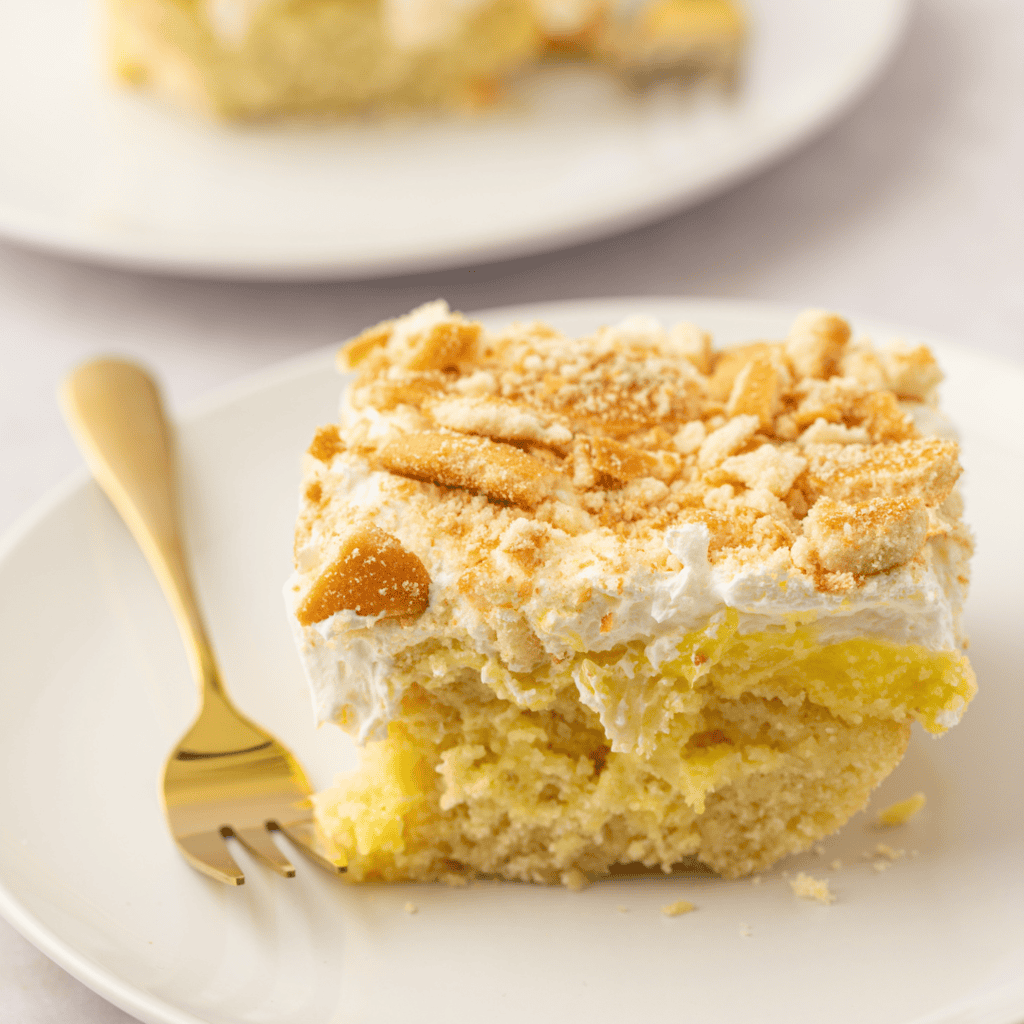
Craving something sweet but trying to keep it healthy? Bananas are nature's candy, packed with nutrients and bursting with flavor. They're incredibly versatile too! Forget artificial sweeteners and processed snacks; we're diving headfirst into a world of delicious and guilt-free banana creations.
We all know the struggle. You're trying to eat well, but those sugary cravings hit hard. Finding satisfying, healthy treats that don't involve complicated recipes or a ton of added sugar can feel impossible. You want something that tastes good, is good for you, and doesn't require hours in the kitchen.
That's where these 18 healthy banana recipes come in! We're providing you with a treasure trove of ideas to transform simple bananas into delectable delights. From breakfast to dessert, these recipes offer natural sweetness and a boost of vitamins and minerals, making healthy eating a joy, not a chore.
This article will explore 18 different ways to use bananas to create healthy and delicious meals and snacks. We'll cover everything from smoothies and pancakes to ice cream and baked goods, all naturally sweetened with the goodness of bananas. Get ready to discover how versatile and beneficial bananas can be in your healthy eating journey. We will also cover tips, tricks, history, hidden secrets, and myths regarding 18 Healthy Banana Recipes for Natural Sweetness.
The Magic of Mashed Bananas
The target of "The Magic of Mashed Bananas" is to showcase the versatility of mashed bananas as a base ingredient in various healthy recipes, emphasizing their natural sweetness and binding properties. It aims to inspire readers to incorporate mashed bananas into their cooking for added flavor, moisture, and nutritional value.
I remember when I first started experimenting with healthy baking, I was constantly searching for ways to reduce the amount of refined sugar in my recipes. That's when I discovered the magic of mashed bananas! It started with banana bread, of course, but then I started adding mashed bananas to everything – muffins, pancakes, even cookies. The result was always a moist, subtly sweet treat that felt so much better than anything made with processed sugar.
Mashed bananas are truly a game-changer in healthy cooking. They add natural sweetness, eliminating the need for excessive amounts of refined sugar. But their benefits go beyond just sweetness. They also act as a natural binder, holding ingredients together and creating a wonderfully moist texture. This is especially helpful in vegan or gluten-free baking, where eggs or gluten might be absent.
Think about all the possibilities! You can add mashed bananas to your morning oatmeal for a creamy, naturally sweet start to the day. You can use them as a base for healthy pancakes or waffles. You can even incorporate them into savory dishes like curries or stews for a touch of sweetness and depth of flavor.
When choosing bananas for mashing, opt for ripe or even overripe ones. The browner the banana, the sweeter and softer it will be, making it easier to mash and incorporate into your recipes. Don't throw away those overripe bananas – they're a treasure trove of natural sweetness waiting to be unlocked! So, embrace the magic of mashed bananas and let them transform your healthy cooking adventures.
Banana Nice Cream: A Frozen Delight
Banana Nice Cream" aims to demonstrate how frozen bananas can be transformed into a healthy and delicious ice cream alternative. It seeks to provide readers with a simple and customizable recipe that satisfies sweet cravings without added sugar or unhealthy ingredients.
What exactly is banana nice cream? Simply put, it's frozen bananas blended into a creamy, ice cream-like consistency. The beauty of this recipe lies in its simplicity. All you need is a few frozen bananas and a blender or food processor. You can add other ingredients like berries, chocolate chips, or nut butter for extra flavor and texture.
Banana nice cream is not only delicious but also incredibly healthy. It's packed with potassium, fiber, and other essential nutrients. It's also naturally sweet, so you don't need to add any refined sugar. This makes it a perfect treat for people with diabetes, those watching their weight, or anyone simply looking for a healthier dessert option.
The possibilities for customization are endless. You can add a spoonful of cocoa powder for chocolate nice cream, a handful of frozen berries for a fruity twist, or a drizzle of almond butter for a nutty flavor. You can even add spices like cinnamon or nutmeg for a warm and comforting treat.
To make banana nice cream, simply peel and slice ripe bananas, then freeze them for at least two hours. Once frozen, blend them in a food processor or high-powered blender until smooth and creamy. You may need to scrape down the sides a few times to ensure even blending. Once the mixture reaches your desired consistency, you can enjoy it immediately or freeze it for later.
The History and Myths Surrounding Bananas
The objective of "The History and Myths Surrounding Bananas" is to provide readers with an overview of the historical and cultural significance of bananas, debunking common myths and highlighting the nutritional benefits that have made them a staple food in many cultures.
Bananas have a rich and fascinating history, dating back thousands of years. Originating in Southeast Asia, they spread throughout the world thanks to traders and explorers. Today, bananas are one of the most popular fruits in the world, enjoyed by people of all ages and cultures.
However, there are also many myths and misconceptions surrounding bananas. One common myth is that bananas are fattening. In reality, bananas are relatively low in calories and high in fiber, which can help you feel full and satisfied. Another myth is that bananas are bad for people with diabetes. While bananas do contain natural sugars, they also have a low glycemic index, which means they don't cause a rapid spike in blood sugar levels.
The truth is that bananas are a healthy and nutritious food that can be enjoyed as part of a balanced diet. They're a good source of potassium, which is important for maintaining healthy blood pressure. They also contain vitamin B6, which is essential for brain function and mood regulation.
Throughout history, bananas have been associated with various cultural beliefs and traditions. In some cultures, they're considered a symbol of fertility and prosperity. In others, they're used in religious ceremonies and rituals. Regardless of their cultural significance, bananas have always been valued for their delicious taste and nutritional benefits. So, next time you enjoy a banana, take a moment to appreciate its rich history and the many myths and legends that surround it.
Unveiling the Hidden Secrets of Banana Nutrition
The goal of "Unveiling the Hidden Secrets of Banana Nutrition" is to educate readers about the lesser-known nutritional benefits of bananas, beyond their potassium content. It aims to highlight the various vitamins, minerals, and antioxidants found in bananas and their positive impact on overall health and well-being.
We all know that bananas are a good source of potassium, but did you know that they also contain other essential nutrients? Bananas are packed with vitamin B6, which is important for brain function and mood regulation. They're also a good source of vitamin C, an antioxidant that helps protect your cells from damage.
But the hidden secrets of banana nutrition go even further. Bananas contain resistant starch, a type of fiber that resists digestion in the small intestine. This resistant starch acts as a prebiotic, feeding the beneficial bacteria in your gut and promoting digestive health.
Bananas also contain dopamine, a neurotransmitter that plays a role in pleasure and motivation. While the dopamine in bananas doesn't cross the blood-brain barrier, it can still have a positive impact on your mood.
Moreover, bananas are a good source of magnesium, which is essential for muscle function and nerve function. They also contain manganese, which is important for bone health and metabolism.
So, next time you peel a banana, remember that you're not just getting a quick source of energy. You're also getting a wealth of essential nutrients that can benefit your overall health and well-being. From boosting your mood to supporting your digestive health, bananas truly are a nutritional powerhouse.
The key to unlocking the hidden secrets of banana nutrition is to choose ripe bananas. As bananas ripen, their starch content decreases and their sugar content increases, making them sweeter and easier to digest. Ripe bananas are also a better source of antioxidants. So, don't be afraid to let your bananas ripen until they're speckled with brown spots. Those brown spots are a sign that your banana is at its peak of nutritional goodness.
Banana Recommendations: Choosing the Right Variety
"Banana Recommendations: Choosing the Right Variety" aims to guide readers in selecting the best banana variety for their specific needs and preferences, whether it's for baking, snacking, or making smoothies. It seeks to highlight the unique characteristics of different banana types and their suitability for various culinary applications.
Not all bananas are created equal! There are many different varieties of bananas, each with its own unique flavor, texture, and nutritional profile. Choosing the right variety can make a big difference in your cooking and snacking experiences.
The most common type of banana is the Cavendish, which is the familiar yellow banana you find in most supermarkets. Cavendish bananas are sweet, creamy, and versatile, making them a good choice for snacking, baking, and smoothies.
However, there are other banana varieties worth exploring. Plantains, for example, are starchy bananas that are typically cooked rather than eaten raw. They're a popular ingredient in Caribbean and Latin American cuisine. Red bananas are another unique variety, with a slightly sweet and tangy flavor. They're often used in desserts and smoothies.
For baking, look for ripe or overripe bananas. The browner the banana, the sweeter and moister it will be, making it perfect for banana bread, muffins, and other baked goods. For snacking, choose bananas that are firm and slightly green. These bananas will have a slightly tart flavor and a firmer texture. For smoothies, frozen bananas are the way to go. Frozen bananas add creaminess and thickness to smoothies, making them a delicious and healthy treat.
When choosing bananas, consider your personal preferences and the intended use. Experiment with different varieties to discover your favorites. Whether you prefer the classic Cavendish or the exotic red banana, there's a banana out there for everyone.
Banana Flour: A Gluten-Free Alternative
The objective of "Banana Flour: A Gluten-Free Alternative" is to introduce readers to banana flour as a versatile and nutritious gluten-free option for baking and cooking. It aims to highlight its unique properties, benefits, and applications in various recipes.
Banana flour is made from green, unripe bananas that are dried and ground into a fine powder. It has a slightly sweet and earthy flavor, and it can be used as a substitute for wheat flour in many recipes. Banana flour is naturally gluten-free, making it a great option for people with celiac disease or gluten intolerance.
But the benefits of banana flour go beyond just being gluten-free. It's also a good source of resistant starch, which acts as a prebiotic and promotes digestive health. It's also rich in potassium, magnesium, and other essential nutrients.
When using banana flour in baking, it's important to note that it absorbs more liquid than wheat flour. You may need to adjust the amount of liquid in your recipe to achieve the desired consistency. It's also a good idea to combine banana flour with other gluten-free flours, such as almond flour or rice flour, for a better texture.
Banana flour can be used in a variety of recipes, including bread, muffins, pancakes, cookies, and cakes. It can also be used as a thickener for sauces and soups. Experiment with banana flour in your favorite recipes to discover its unique flavor and benefits.
One of the biggest advantages of banana flour is its versatility. It can be used in both sweet and savory dishes. It adds a subtle sweetness and a slightly earthy flavor to baked goods. It also provides a good source of fiber, which can help you feel full and satisfied.
When shopping for banana flour, look for brands that are made from sustainably sourced bananas. This will ensure that you're supporting ethical and environmentally responsible farming practices.
Tips for Perfecting Your Banana Recipes
The purpose of "Tips for Perfecting Your Banana Recipes" is to provide readers with practical advice and techniques to enhance their banana-based recipes, ensuring optimal flavor, texture, and overall success in the kitchen.
Want to take your banana recipes to the next level? Here are a few tips and tricks to help you perfect your creations: Use ripe or overripe bananas: The browner the banana, the sweeter and moister it will be. This is especially important for baking. Don't overmix: Overmixing can result in tough baked goods. Mix the ingredients until just combined.Add a touch of spice: Cinnamon, nutmeg, and cloves pair perfectly with bananas. Incorporate other flavors: Chocolate, nuts, and berries are all great additions to banana recipes.Freeze your bananas: Frozen bananas are perfect for smoothies and nice cream. Mash your bananas properly: Ensure that your bananas are properly mashed before you add them into your recipeAdjust sweetness as desired: Taste your batter or dough before baking and adjust the sweetness as needed. Some people prefer a sweeter treat, while others prefer a more subtle flavor. Use the correct oven temperature: Be sure that your oven temperature is accurate before you start baking. An inaccurate temperature can lead to uneven baking and a poor final product.
Experiment with different techniques and ingredients to find your own signature banana recipes. Don't be afraid to get creative and have fun in the kitchen!
One of the most important tips is to use the right type of bananas for your recipe. For baking, look for ripe or overripe bananas that are soft and easy to mash. For snacking, choose bananas that are firm and slightly green. For smoothies, frozen bananas are the best option. By following these tips, you can ensure that your banana recipes are always a success.
Substituting Ingredients in Banana Recipes
The aim of "Substituting Ingredients in Banana Recipes" is to provide readers with alternative ingredient options for common components in banana recipes, catering to dietary restrictions, allergies, or personal preferences. It seeks to empower readers to customize recipes to suit their individual needs without compromising taste or texture.
Need to substitute an ingredient in your banana recipe? No problem! Here are a few common substitutions you can make: Eggs: Applesauce, mashed bananas, or flaxseed meal can be used as egg substitutes in many banana recipes. Dairy: Almond milk, soy milk, or coconut milk can be used as dairy substitutes.Gluten: Gluten-free flour blends can be used as a substitute for wheat flour. Sugar: Honey, maple syrup, or agave nectar can be used as natural sweeteners in place of refined sugar.Butter:Coconut oil, olive oil, or applesauce can be used as butter substitutes.
When making substitutions, it's important to consider the impact on the overall flavor and texture of the recipe. Some substitutions may require adjustments to the amount of liquid or other ingredients.
For example, if you're using applesauce as an egg substitute, you may need to reduce the amount of liquid in the recipe to prevent it from being too moist. If you're using coconut oil as a butter substitute, keep in mind that it has a distinct coconut flavor that may not be suitable for all recipes.
It's always a good idea to experiment with different substitutions to find what works best for you and your taste preferences. Don't be afraid to get creative and try new things! With a little experimentation, you can create delicious and healthy banana recipes that everyone will enjoy.
Remember to always check the labels of your ingredients to ensure that they meet your dietary needs. If you have any allergies or sensitivities, be sure to choose ingredients that are free from those allergens. By making smart substitutions, you can enjoy your favorite banana recipes without compromising your health or dietary restrictions.
Fun Facts About Bananas
The intent of "Fun Facts About Bananas" is to entertain and inform readers with interesting and little-known facts about bananas, highlighting their unique characteristics, historical significance, and global popularity.
Did you know that bananas are technically berries? Or that they grow upside down on their plants? Here are a few more fun facts about bananas:
Bananas are one of the most popular fruits in the world.
They're a good source of potassium, vitamin B6, and fiber.
Bananas can help regulate blood pressure and improve mood.
The banana plant is actually a giant herb, not a tree.
Bananas are grown in over 100 countries around the world.
The Cavendish banana is the most widely grown variety.
Bananas are often used in desserts, smoothies, and snacks.
They can also be used in savory dishes, such as curries and stews.
Bananas are a symbol of good luck in some cultures.
The word "banana" comes from the Arabic word "banan," which means finger.Bananas have been cultivated for thousands of years. They originated in Southeast Asia and spread throughout the world thanks to traders and explorers. Today, bananas are a staple food in many cultures and are enjoyed by people of all ages.
One of the most interesting facts about bananas is their ability to ripen after they're harvested. Bananas produce ethylene gas, which causes them to turn yellow and soften. This is why you often see bananas sold green in supermarkets. By the time you get them home, they're usually ripe and ready to eat.
So, next time you peel a banana, take a moment to appreciate its unique history and the many fun facts that surround it. From their botanical classification to their cultural significance, bananas are truly a fascinating fruit.
How to Store Bananas Properly
The purpose of "How to Store Bananas Properly" is to provide readers with practical tips and techniques for extending the shelf life of bananas, preventing premature ripening, and preserving their flavor and texture.
Want to keep your bananas fresh for longer? Here are a few tips on how to store them properly: Keep them away from other fruits: Bananas produce ethylene gas, which can cause other fruits to ripen more quickly. Wrap the stems: Wrapping the stems of bananas in plastic wrap can help slow down the ripening process.Store them in a cool, dark place: Bananas ripen more quickly in warm temperatures. Freeze them: Frozen bananas can be used in smoothies, nice cream, and other recipes.Separate the bananas: Breaking the bunch apart can help to keep bananas fresh longer Hang the bananas: This slows down the ripening processPut bananas in the fridge:This slows down ripening but turns the peel dark
By following these tips, you can extend the shelf life of your bananas and enjoy them for longer.
One common mistake that people make is storing bananas in the refrigerator. While this can slow down the ripening process, it can also cause the peel to turn black. The inside of the banana will still be edible, but it may not look as appealing.
Another tip is to freeze your bananas when they're at their peak ripeness. Simply peel the bananas, slice them into pieces, and freeze them in a single layer on a baking sheet. Once frozen, transfer them to a freezer bag or container. Frozen bananas are perfect for smoothies, nice cream, and other frozen treats.
Proper storage is essential for maintaining the flavor and texture of bananas. By following these simple tips, you can keep your bananas fresh and delicious for longer.
What Happens If You Eat Too Many Bananas?
The intention of "What Happens If You Eat Too Many Bananas?" is to inform readers about the potential health consequences of excessive banana consumption, highlighting both the benefits and drawbacks of this popular fruit.
While bananas are a healthy and nutritious food, eating too many can have some negative consequences. Here are a few things that can happen if you eat too many bananas: High potassium levels: Bananas are a good source of potassium, but too much potassium can lead to hyperkalemia, a condition that can cause muscle weakness, fatigue, and heart problems. Digestive issues: Bananas are high in fiber, but too much fiber can cause bloating, gas, and constipation.Weight gain: Bananas are relatively high in calories, so eating too many can contribute to weight gain. Tooth decay: Bananas are high in sugar, which can contribute to tooth decay.Migraines:Some people are sensitive to tyramine, a compound found in bananas, which can trigger migraines.
However, it's important to note that these negative consequences are rare and usually only occur when people eat an excessive amount of bananas. For most people, eating one or two bananas a day is perfectly safe and healthy.
The key is to eat bananas in moderation as part of a balanced diet. Don't rely on bananas as your sole source of nutrients. Make sure to eat a variety of fruits, vegetables, and whole grains to get all the essential vitamins and minerals your body needs.
If you have any concerns about your banana consumption, talk to your doctor or a registered dietitian. They can help you determine how many bananas are right for you and your individual needs. Remember, moderation is key when it comes to any food, including bananas.
18 Healthy Banana Recipes: A Delicious Listicle
The objective of "18 Healthy Banana Recipes: A Delicious Listicle" is to provide readers with a diverse and inspiring collection of banana-based recipes that cater to various tastes and dietary preferences, promoting healthy eating and culinary creativity.
Ready to get cooking? Here are 18 healthy banana recipes to try:
1.Banana Smoothie: Blend frozen bananas with milk, yogurt, and your favorite fruits.
2.Banana Pancakes: Mash bananas into your pancake batter for a naturally sweet and moist breakfast.
3.Banana Bread: A classic recipe that's perfect for using up ripe bananas.
4.Banana Muffins: A quick and easy snack that's great for on-the-go.
5.Banana Nice Cream: Blend frozen bananas until smooth and creamy for a healthy ice cream alternative.
6.Banana Oatmeal: Add sliced bananas to your oatmeal for a sweet and nutritious breakfast.
7.Banana Chia Pudding: Combine mashed bananas with chia seeds and milk for a healthy and satisfying dessert.
8.Banana Energy Bites: Combine mashed bananas with oats, nuts, and seeds for a quick and easy snack.
9.Banana Yogurt Parfait: Layer yogurt, granola, and sliced bananas for a healthy and delicious parfait.
10.Grilled Bananas: Grill banana halves for a warm and sweet dessert.
11.Baked Bananas: Bake bananas with cinnamon and honey for a simple and comforting treat.
12.Banana Fritters: Fry banana slices in a light batter for a crispy and sweet snack.
13.Banana Crepes: Fill crepes with sliced bananas and your favorite toppings.
14.Banana Pudding: Make a healthy banana pudding with mashed bananas, milk, and vanilla extract.
15.Banana Ice Pops: Freeze banana slices with juice or yogurt for a refreshing treat.
16.Banana Sushi: Spread peanut butter on a banana and roll it in granola for a fun and healthy snack.
17.Banana Quesadillas: Fill tortillas with mashed bananas and cheese for a quick and easy meal.
18.Banana Pizza: Spread nut butter on a rice cake and top with sliced bananas and berries for a healthy and creative snack.
These are just a few ideas to get you started. There are endless possibilities when it comes to cooking with bananas. Get creative and experiment with different flavors and ingredients to find your own signature banana recipes.
Question and Answer about Healthy Banana Recipes
Here are some common questions and answers about healthy banana recipes:
Q: Are bananas healthy?
A: Yes, bananas are a healthy and nutritious food. They're a good source of potassium, vitamin B6, fiber, and antioxidants.
Q: Can I use frozen bananas in recipes?
A: Yes, frozen bananas are perfect for smoothies, nice cream, and other frozen treats.
Q: How can I use up ripe bananas?
A: Ripe bananas are perfect for banana bread, muffins, pancakes, and other baked goods. You can also mash them into oatmeal or yogurt.
Q: Are there any substitutions for bananas in recipes?
A: Applesauce, pumpkin puree, or sweet potato puree can be used as substitutes for bananas in some recipes.
Conclusion of 18 Healthy Banana Recipes for Natural Sweetness
Bananas are a versatile and nutritious fruit that can be used in a wide variety of healthy recipes. From smoothies and pancakes to ice cream and baked goods, there's a banana recipe for everyone. By incorporating bananas into your diet, you can enjoy natural sweetness, a boost of vitamins and minerals, and a delicious way to stay healthy. So, get creative in the kitchen and explore the endless possibilities of banana-based creations. They are easy to eat, easy to digest, and packed with natural goodness, bananas are a gift from nature that can help you satisfy your sweet tooth while nourishing your body. Embrace the banana and enjoy the journey towards a healthier and happier you!

Post a Comment
Post a Comment