14 Easy Asparagus Recipes for Spring Vegetables


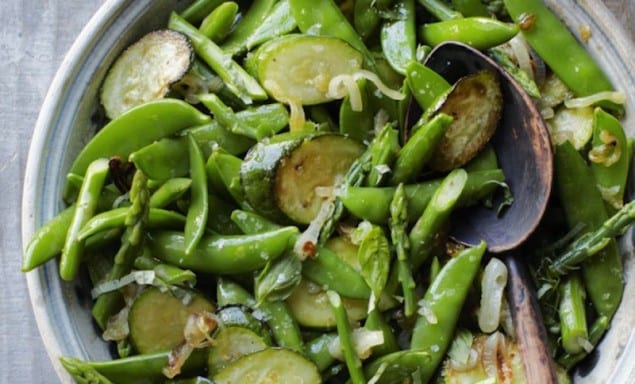
Spring is in the air, and that means one thing: asparagus season! Get ready to celebrate the vibrant flavors of this versatile vegetable with a collection of easy and delicious recipes that will brighten up your spring meals.
Are you tired of the same old boring vegetable side dishes? Do you struggle to find quick and simple ways to incorporate seasonal produce into your diet? Are you looking for fresh, inspiring recipes that will make you actuallyenjoyeating your greens?
This blog post is your ultimate guide to unlocking the culinary potential of asparagus. We're sharing 14 easy and flavorful recipes that showcase this spring vegetable in all its glory, from simple sides to satisfying main courses.
From grilled asparagus with lemon to creamy asparagus soup and asparagus frittatas, these recipes are designed to be quick, easy, and bursting with fresh, seasonal flavors. You'll find inspiration for incorporating asparagus into every meal, proving that healthy eating can be both delicious and convenient. It is time to discover these asparagus recipes for spring vegetables.
Asparagus Frittata: A Spring Brunch Staple
Asparagus frittata is a recipe I discovered during a trip to the Italian countryside. I visited a small organic farm, and the owner, Maria, taught me how to make a simple frittata with whatever vegetables were fresh that day. The asparagus frittata was my favorite. The sweetness of the asparagus pairs perfectly with the richness of the eggs and cheese. It is now a staple brunch item for me. Asparagus frittatas are not just for brunch, though. They make a quick and easy weeknight dinner when you are short on time. Serve it with a simple salad for a complete and satisfying meal. This dish also offers a great way to use up leftover cooked asparagus.
Asparagus frittatas are a fantastic way to showcase the subtle, fresh flavor of asparagus. The eggs provide a protein-rich base, while the cheese adds a touch of decadence. You can customize your frittata with other spring vegetables like peas, spinach, or mushrooms to create a truly unique and seasonal dish. Experiment with different cheeses, such as feta, goat cheese, or Gruyere, to find your perfect flavor combination. The key to a great frittata is to cook it slowly and evenly over low heat, ensuring that the eggs are fully set without becoming dry or rubbery. This recipe is a great example of how simple ingredients can come together to create a truly delicious and satisfying meal, celebrating the flavors of spring in every bite.
What is Asparagus and Why is it a Spring Vegetable?
Asparagus is a perennial flowering plant species in the genus Asparagus. It is prized for its tender, edible shoots, which are a springtime delicacy. It is low in calories and sodium, and is a good source of vitamins A, C, E, and K, as well as folate, fiber, and antioxidants. Its peak season is typically from February to June, with April being the prime month for the best-tasting and most affordable spears. This timing coincides with the arrival of warmer weather and longer days, making it a welcome addition to spring menus.
Asparagus is considered a spring vegetable because it thrives in cooler temperatures and requires a period of dormancy during the winter months. As the soil warms in the spring, the plant begins to produce new shoots, which are harvested before they turn woody and tough. The taste of asparagus varies depending on its thickness; thinner spears are generally more tender and have a delicate flavor, while thicker spears have a more robust and slightly grassy taste. Whether roasted, grilled, steamed, or sautéed, asparagus is a versatile vegetable that can be enjoyed in a variety of dishes. Its nutritional benefits and delicious flavor make it a popular choice for those seeking healthy and flavorful meals during the spring season. From elegant appetizers to hearty main courses, asparagus adds a touch of freshness and sophistication to any plate.
The History and Myths Surrounding Asparagus
Asparagus has a rich history dating back to ancient times. The earliest known cultivation of asparagus occurred in Greece and Rome, where it was prized for its medicinal properties and culinary uses. It was even mentioned in writings as far back as 3000 BC. The Romans were particularly fond of asparagus, and they cultivated it extensively throughout their empire. They believed it had aphrodisiac properties and often served it at lavish banquets.
The myths surrounding asparagus are as fascinating as its history. In ancient Greece, it was associated with fertility and was often offered to the gods. Some cultures believed that eating asparagus could enhance virility and promote good health. In the Middle Ages, asparagus was considered a luxury item and was only available to the wealthy elite. It was often served at royal courts and grand celebrations. Today, asparagus is widely available and enjoyed by people all over the world. Its history and myths remind us of its long and storied past, while its delicious flavor and nutritional benefits continue to make it a beloved vegetable in modern cuisine. Whether you're enjoying it roasted, grilled, or steamed, asparagus is a reminder of the rich culinary traditions that have shaped our eating habits for centuries.
The Hidden Secret to Perfect Asparagus
The hidden secret to cooking perfect asparagus lies in understanding its unique texture and flavor profile. Many people overcook asparagus, resulting in mushy, bland spears. The key is to cook it just until it's tender-crisp, retaining its vibrant green color and slightly sweet taste. One technique involves blanching the asparagus in boiling water for a brief period, followed by an ice bath to stop the cooking process. This method helps to preserve its color and texture, ensuring that it remains crisp and flavorful.
Another secret is to choose asparagus spears of uniform size. This ensures that they cook evenly, preventing some spears from becoming overcooked while others remain undercooked. When roasting asparagus, toss it with olive oil, salt, and pepper before spreading it in a single layer on a baking sheet. Roast at a high temperature until the spears are tender and slightly browned. Grilling asparagus is another excellent way to enhance its flavor. Simply brush the spears with olive oil and grill them over medium heat until they are slightly charred and tender-crisp. No matter your preferred cooking method, the key is to pay attention to the asparagus and remove it from the heat as soon as it reaches the desired level of doneness. With a little practice, you'll be able to consistently cook perfect asparagus that is both delicious and visually appealing.
Our Top Asparagus Recipe Recommendations
My top recommendation is Grilled Asparagus with Lemon and Parmesan. It's a simple yet elegant dish that allows the natural flavor of the asparagus to shine through. The lemon adds a bright, citrusy note, while the Parmesan cheese provides a salty, savory counterpoint. It’s ready in under 15 minutes! Another favorite is Creamy Asparagus Soup. It’s a comforting and flavorful soup that's perfect for a chilly spring evening. The asparagus is blended with cream and broth to create a velvety smooth texture, and a touch of nutmeg adds warmth.
If you're looking for a more substantial meal, try Asparagus and Shrimp Scampi. This dish combines the sweetness of asparagus with the succulent flavor of shrimp in a garlic-infused butter sauce. Serve it over pasta or rice for a complete and satisfying meal. For a vegetarian option, consider Asparagus Risotto. This creamy and flavorful risotto is packed with fresh asparagus and Parmesan cheese. It's a great way to showcase the versatility of asparagus in a sophisticated and elegant dish. Whether you're looking for a quick side dish or a more elaborate meal, these asparagus recipes are sure to impress. They're all easy to make, bursting with flavor, and perfect for celebrating the arrival of spring.
Detailed Exploration of Creamy Asparagus Soup
Creamy Asparagus Soup is a classic spring dish that is both comforting and elegant. The key to a truly exceptional asparagus soup lies in selecting fresh, tender asparagus spears. Look for spears that are firm, bright green, and have tightly closed tips. Avoid asparagus that is wilted, discolored, or has open tips, as these are signs of age and will not have the same flavor or texture.
To prepare the asparagus, snap off the tough ends of the spears. These ends tend to be fibrous and woody, and they will not cook evenly. You can also peel the lower portion of the spears with a vegetable peeler to remove any remaining tough skin. Once the asparagus is prepared, sauté it with onion and garlic in butter or olive oil until tender. Add vegetable or chicken broth and simmer until the asparagus is very soft. Then, use an immersion blender to puree the soup until smooth. Stir in cream or half-and-half for a richer flavor and texture. Season with salt, pepper, and a pinch of nutmeg. Serve hot, garnished with fresh herbs like parsley or chives. You can also add a swirl of cream or a dollop of sour cream for an extra touch of decadence.
Tips for Selecting and Storing Asparagus
When selecting asparagus, look for spears that are firm, straight, and have a vibrant green color. The tips should be tightly closed and the stalks should be smooth and unblemished. Avoid asparagus that is limp, wilted, or has open tips, as these are signs that it is past its prime. The thickness of the spears is a matter of personal preference; thinner spears tend to be more tender, while thicker spears have a more robust flavor. However, both thin and thick spears can be equally delicious if cooked properly.
To store asparagus, trim the ends and stand the spears upright in a jar or glass filled with about an inch of water. Cover the tips loosely with a plastic bag and store in the refrigerator. This will help to keep the asparagus fresh and hydrated for several days. You can also wrap the asparagus in a damp paper towel and store it in a plastic bag in the refrigerator. Be sure to use the asparagus as soon as possible for the best flavor and texture. Avoid storing asparagus near fruits like apples or bananas, as these fruits produce ethylene gas, which can cause the asparagus to become tough and bitter. With proper selection and storage, you can enjoy fresh, delicious asparagus throughout the spring season.
Expanding on Asparagus's Nutritional Benefits
Beyond its delightful taste and versatility in the kitchen, asparagus boasts an impressive array of nutritional benefits that make it a true superfood. It is incredibly low in calories, making it an excellent choice for those watching their weight. However, its nutritional value doesn't stop there. Asparagus is packed with essential vitamins and minerals, including vitamins A, C, E, and K, as well as folate, fiber, and potassium.
Vitamin K is crucial for blood clotting and bone health, while folate is essential for cell growth and development. The fiber in asparagus aids in digestion and promotes gut health, while potassium helps regulate blood pressure. Asparagus is also a good source of antioxidants, which help protect the body against damage from free radicals. These antioxidants may help reduce the risk of chronic diseases such as heart disease, cancer, and Alzheimer's disease. Furthermore, asparagus contains compounds that may have anti-inflammatory properties, which can help reduce pain and swelling in the body. Including asparagus in your diet is a delicious and nutritious way to boost your overall health and well-being. Its unique combination of vitamins, minerals, and antioxidants makes it a true powerhouse of nutrients.
Fun Facts About Asparagus
Did you know that asparagus is actually a member of the lily family, along with onions, garlic, and leeks? It's true! And unlike most vegetables, asparagus is a perennial plant, meaning it can live for many years, producing new shoots each spring. Some asparagus plants can even live for up to 20 years! Another fun fact is that asparagus is a natural diuretic, meaning it helps the body eliminate excess water and salt.
Asparagus is also known for its unique effect on urine odor. This is due to a compound called asparagusic acid, which is broken down into volatile sulfur-containing compounds that are excreted in urine. Not everyone can smell this odor, as it is believed to be a genetic trait. Asparagus comes in different colors, including green, white, and purple. White asparagus is grown underground, away from sunlight, which prevents it from developing chlorophyll. Purple asparagus is rich in anthocyanins, the same antioxidants that give blueberries their vibrant color. Whether you're enjoying it for its delicious flavor or its fascinating facts, asparagus is a truly unique and remarkable vegetable.
How to Grow Your Own Asparagus
Growing your own asparagus can be a rewarding experience, providing you with a fresh and delicious supply of this springtime delicacy for years to come. Asparagus is a perennial plant, so it requires a bit of patience, as it typically takes two to three years to establish a productive crop. However, once established, an asparagus bed can produce for 15 to 20 years or more. The best time to plant asparagus is in the spring, after the last frost. Choose a sunny location with well-drained soil. Asparagus prefers a slightly acidic soil with a p H between 6.5 and
7.0.
Before planting, amend the soil with compost or other organic matter to improve its fertility and drainage. Asparagus is typically grown from crowns, which are one-year-old plants with a developed root system. Dig trenches about 6 inches deep and 12 inches wide. Space the crowns about 12 inches apart in the trench, with the buds facing upward. Cover the crowns with 2-3 inches of soil and water thoroughly. As the asparagus shoots grow, gradually fill in the trench with soil until it is level with the surrounding ground. Do not harvest any spears during the first year, as this will weaken the plants. In the second year, you can harvest a few spears for a short period of time. In the third year and beyond, you can harvest asparagus for 6-8 weeks each spring. Enjoy the fruits of your labor with your own homegrown asparagus!
What if You Don't Like Asparagus?
Even though many people adore asparagus, it's perfectly fine if you don't! Taste preferences are highly individual, and there are plenty of other delicious spring vegetables to enjoy. However, before completely writing off asparagus, consider trying it prepared in different ways. Perhaps you've only had boiled or steamed asparagus, which can sometimes be bland. Try roasting it with olive oil, salt, and pepper, or grilling it over an open flame. These methods can bring out the natural sweetness of the asparagus and give it a slightly smoky flavor.
You could also try pairing asparagus with other ingredients that you enjoy. For example, wrap asparagus spears in bacon before grilling them, or toss them with Parmesan cheese and lemon juice. You might be surprised at how much you enjoy asparagus when it's prepared in a way that complements your taste buds. If you still don't like asparagus after trying different methods, don't worry! There are plenty of other spring vegetables to choose from, such as peas, spinach, radishes, and artichokes. Each of these vegetables has its own unique flavor and nutritional benefits, so you can easily find something that you enjoy. The most important thing is to eat a variety of vegetables and fruits to ensure that you're getting all the nutrients your body needs.
14 Easy Asparagus Recipes: A Spring Vegetable Listicle
1. Grilled Asparagus with Lemon and Parmesan: A quick and easy side dish with bright, citrusy flavors.
- Creamy Asparagus Soup: A comforting and elegant soup perfect for a chilly spring evening.
- Asparagus and Shrimp Scampi: A flavorful and satisfying meal with garlic-infused butter sauce.
- Asparagus Risotto: A creamy and sophisticated risotto packed with fresh asparagus and Parmesan cheese.
- Asparagus Frittata: A versatile dish that can be enjoyed for breakfast, brunch, or dinner.
- Roasted Asparagus with Balsamic Glaze: A simple yet elegant side dish with a tangy-sweet glaze.
- Asparagus Salad with Feta and Mint: A refreshing and flavorful salad with salty feta and fresh mint.
- Asparagus and Prosciutto Tart: A savory tart with flaky crust, creamy cheese, and salty prosciutto.
- Asparagus and Goat Cheese Quiche: A classic quiche with creamy goat cheese and tender asparagus.
- Asparagus Stir-Fry with Ginger and Garlic: A quick and easy stir-fry with Asian-inspired flavors.
- Asparagus and Smoked Salmon Salad: A sophisticated salad with rich smoked salmon and delicate asparagus.
- Asparagus and Gruyere Tartlets: Bite-sized tartlets with nutty Gruyere cheese and tender asparagus.
- Asparagus and Mushroom Pasta: A hearty and flavorful pasta dish with earthy mushrooms and fresh asparagus.
- Asparagus Pesto: A vibrant and flavorful pesto that can be used on pasta, sandwiches, or as a dip.
Question and Answer About 14 Easy Asparagus Recipes for Spring Vegetables
Q: What is the best way to store asparagus to keep it fresh?
A: Trim the ends and stand the spears upright in a jar or glass filled with about an inch of water. Cover the tips loosely with a plastic bag and store in the refrigerator.
Q: How do I know when asparagus is cooked properly?
A: Asparagus should be tender-crisp, meaning it should be tender enough to pierce with a fork but still have a slight bite.
Q: Can I freeze asparagus?
A: Yes, you can freeze asparagus. Blanch it in boiling water for a few minutes, then transfer it to an ice bath. Drain well and freeze in a single layer on a baking sheet before transferring to a freezer bag.
Q: What are some good pairings for asparagus?
A: Asparagus pairs well with lemon, Parmesan cheese, garlic, butter, eggs, prosciutto, and smoked salmon.
Conclusion of 14 Easy Asparagus Recipes for Spring Vegetables
Asparagus is a versatile and delicious spring vegetable that can be enjoyed in a variety of ways. From simple side dishes to elaborate main courses, there's an asparagus recipe for every taste and occasion. With its impressive nutritional benefits and unique flavor profile, asparagus is a welcome addition to any spring meal. So, embrace the season and explore the many possibilities that asparagus has to offer. Get cooking and enjoy the fresh, vibrant flavors of spring!

Post a Comment
Post a Comment