14 Black Bean Recipes for Fiber-Rich Satisfying Meals


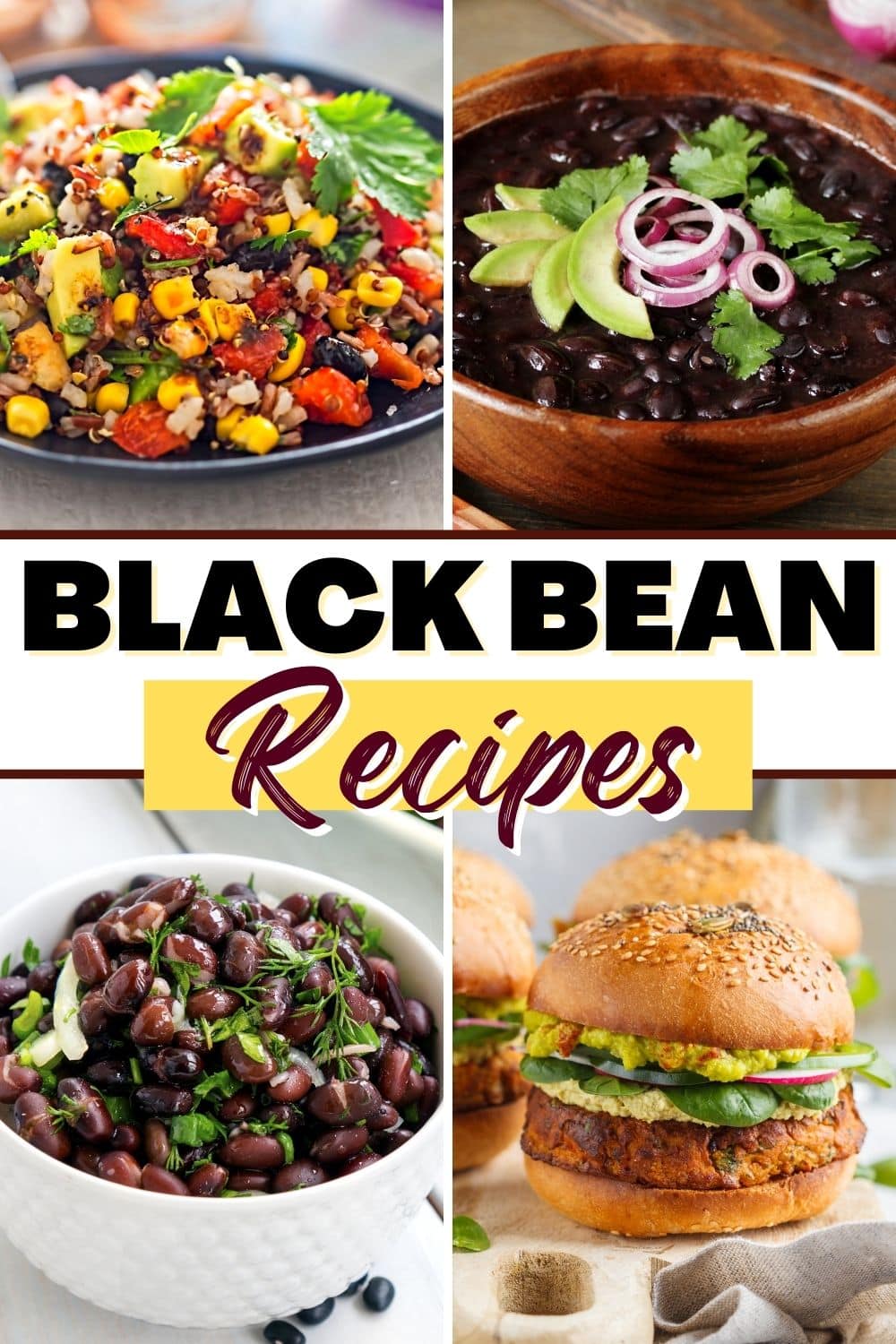
Are you looking to add more fiber to your diet without sacrificing flavor and satisfaction? Black beans might just be your culinary superhero! These little legumes are nutritional powerhouses, packed with fiber, protein, and essential nutrients. But let's be honest, knowingwhatto eat is only half the battle. The real challenge is finding delicious and exciting ways to incorporate healthy foods into your everyday meals.
Many of us struggle with the same food dilemmas: time constraints, picky eaters, and the desire to eat healthy without spending hours in the kitchen. We want satisfying meals that don't compromise on taste or nutritional value, but finding recipes that tick all the boxes can feel overwhelming. The constant search for new and exciting recipes can leave us feeling stuck in a rut, reaching for the same old, less-than-healthy options.
That's where this guide comes in. We're diving into 14 incredible black bean recipes designed to transform your meals from mundane to magnificent. These recipes are crafted to be both fiber-rich and incredibly satisfying, perfect for boosting your health while tantalizing your taste buds. Get ready to discover black beans in a whole new light!
This article showcases 14 diverse and delicious black bean recipes, emphasizing their fiber content, health benefits, and satisfying qualities. From hearty soups and stews to flavorful salads and creative side dishes, you'll find inspiration to incorporate black beans into your diet in exciting new ways. Get ready to explore the versatility of black beans and unlock their potential for creating healthy, delicious, and satisfying meals, black bean soup, black bean salsa, black bean burgers, fiber-rich meals.
Black Bean Soup: A Hearty and Healthy Classic
Black bean soup holds a special place in my heart, reminiscent of cozy evenings and comforting flavors. My grandmother used to make a big pot of black bean soup every winter, and the aroma alone was enough to warm the soul. It was simple, yet incredibly satisfying, and I never truly appreciated its nutritional value until I started exploring healthier eating habits as an adult. Recreating her recipe has become a way for me to connect with her memory while also nourishing my body.
This classic recipe highlights the inherent creaminess of black beans, creating a velvety texture without the need for heavy creams. The addition of vegetables like onions, carrots, and celery provides extra layers of flavor and nutrients, while spices like cumin and chili powder add warmth and depth. Black bean soup is incredibly versatile, allowing you to customize it to your liking with toppings like avocado, sour cream, or a squeeze of lime. But beyond its deliciousness, black bean soup is a powerhouse of nutrition. The high fiber content promotes healthy digestion and helps regulate blood sugar levels, while the protein contributes to feelings of fullness and satiety. This makes it an ideal meal for weight management and overall well-being. It's a simple, satisfying, and incredibly healthy dish that deserves a regular spot in your recipe rotation. The key is to simmer it long enough to allow the flavors to meld, creating a truly unforgettable soup.
What Exactly are Black Bean Recipes?
Black bean recipes encompass a wide array of dishes that feature black beans as the primary ingredient. These recipes can range from simple and quick meals like black bean salsa to more elaborate and time-consuming creations like black bean enchiladas or chili. The versatility of black beans makes them a fantastic ingredient for both vegetarian and meat-based dishes, as they can be used to add texture, flavor, and a healthy dose of protein and fiber.
The foundation of any great black bean recipe lies in the quality of the beans themselves. Whether you choose to use canned black beans or cook them from scratch, ensuring they are properly prepared is essential. Canned beans should be rinsed thoroughly to remove excess sodium, while dried beans require soaking and cooking until tender. Once the beans are ready, the possibilities are endless. Black beans can be mashed, pureed, or left whole, depending on the desired texture of the dish. They pair well with a variety of flavors, including Southwestern spices, citrus, and fresh herbs. Moreover, black beans are a nutritional powerhouse, packed with fiber, protein, and essential nutrients. Their high fiber content promotes digestive health, while their protein content helps keep you feeling full and satisfied. This makes black bean recipes an excellent choice for those looking to improve their diet and maintain a healthy weight. Experimenting with different spices and ingredients is key to unlocking the full potential of black beans and creating truly delicious and satisfying meals. They are perfect in burritos, tacos, salads, and even desserts!
History and Myths Surrounding Black Bean Recipes
The history of black bean recipes is deeply intertwined with the agricultural traditions of the Americas. Black beans, also known as turtle beans, have been cultivated in Central and South America for thousands of years, serving as a staple food for indigenous populations. Archaeological evidence suggests that black beans were consumed as early as 7,000 years ago in Peru, highlighting their importance in ancient diets. As explorers and traders traversed the globe, black beans made their way to other parts of the world, including Europe and Africa.
In many cultures, black beans are associated with various myths and superstitions. Some believe that black beans possess protective qualities, warding off evil spirits and bringing good luck. Others associate them with fertility and prosperity, incorporating them into traditional ceremonies and rituals. While these beliefs may seem far-fetched, they reflect the deep connection between food and culture. The preparation of black beans has also evolved over time, with each region developing its own unique cooking methods and flavor profiles. In Latin America, black beans are often seasoned with cumin, oregano, and garlic, while in the Southern United States, they may be cooked with bacon or ham hocks for added flavor. Despite these regional variations, the fundamental nutritional benefits of black beans remain the same. They continue to be a valuable source of protein, fiber, and essential nutrients, making them a healthy and versatile ingredient for a wide range of dishes. Black beans continue to nourish communities worldwide, connecting us to ancient traditions and culinary heritage.
The Hidden Secret of Black Bean Recipes
The hidden secret to truly outstanding black bean recipes lies not just in the ingredients, but in the technique. It's about understanding how to coax out the most flavor and create the perfect texture. Many home cooks simply throw all the ingredients together and hope for the best, but a few simple tricks can elevate your black bean dishes from good to extraordinary. One of the most important techniques is blooming the spices. Sautéing the spices in oil before adding the beans and other ingredients helps to release their essential oils, creating a more complex and aromatic flavor profile.
Another key secret is using quality broth. Whether you opt for vegetable broth or chicken broth, using a flavorful broth will enhance the overall taste of the dish. Avoid using plain water, as it can result in a bland and uninspired flavor. In terms of texture, achieving the perfect consistency is crucial. For soups and stews, you can partially puree some of the beans to create a creamier texture without adding any dairy. For dishes like black bean burgers or tacos, it's important to avoid over-processing the beans, as this can result in a mushy texture. Instead, aim for a slightly chunky consistency that provides both substance and flavor. Finally, don't be afraid to experiment with different flavor combinations. Black beans pair well with a wide variety of ingredients, including roasted vegetables, citrus fruits, and spicy peppers. By embracing creativity and mastering a few simple techniques, you can unlock the hidden potential of black bean recipes and create truly unforgettable meals. Soaking dried beans overnight and adding a bay leaf during cooking can significantly improve their flavor and digestibility.
Recommended Black Bean Recipes for Every Occasion
Finding the perfect black bean recipe often depends on the occasion and your personal preferences. For a quick and easy weeknight meal, consider a simple black bean salsa served with tortilla chips or as a topping for grilled chicken or fish. This recipe requires minimal ingredients and can be prepared in just minutes. For a more substantial meal, black bean burgers are an excellent choice. These vegetarian patties are packed with protein and fiber, making them a healthy and satisfying alternative to traditional beef burgers.
When hosting a party or gathering, black bean dip is always a crowd-pleaser. Serve it with an assortment of vegetables, crackers, and tortilla chips for a festive and flavorful appetizer. For a cozy and comforting meal on a chilly evening, black bean chili is a classic choice. This hearty stew can be customized with your favorite vegetables and spices, and it's perfect for feeding a crowd. If you're looking to add some variety to your salads, consider incorporating black beans for a boost of protein and fiber. Black bean and corn salad is a refreshing and flavorful dish that's perfect for picnics and potlucks. Finally, for a unique and unexpected dessert, try black bean brownies. These decadent treats are surprisingly moist and fudgy, and the black beans add a subtle depth of flavor. No matter the occasion, there's a black bean recipe to suit your needs and tantalize your taste buds. Don't be afraid to step outside of your comfort zone and experiment with different flavors and ingredients. You might just discover your new favorite dish! Consider pairing black beans with ingredients like avocado, cilantro, and lime for a zesty and refreshing flavor profile.
Exploring Black Bean Nutrition and Health Benefits
Black beans are not just delicious; they are also incredibly nutritious, offering a wide range of health benefits. As a member of the legume family, black beans are an excellent source of plant-based protein and fiber. Just one cup of cooked black beans provides approximately 15 grams of protein and 15 grams of fiber, making them a valuable addition to any diet, particularly for vegetarians and vegans. The high fiber content of black beans promotes digestive health by adding bulk to the stool and preventing constipation. Fiber also helps to regulate blood sugar levels, reducing the risk of type 2 diabetes and heart disease.
In addition to protein and fiber, black beans are also rich in vitamins and minerals. They are a good source of iron, which is essential for carrying oxygen throughout the body and preventing anemia. Black beans also contain folate, a B vitamin that is important for cell growth and development, particularly during pregnancy. Furthermore, black beans are packed with antioxidants, which help to protect the body against damage from free radicals. These antioxidants may play a role in reducing the risk of chronic diseases such as cancer and heart disease. The dark color of black beans is due to the presence of anthocyanins, a type of antioxidant that is also found in blueberries and other dark-colored fruits and vegetables. Incorporating black beans into your diet is a simple and delicious way to boost your overall health and well-being. Whether you enjoy them in soups, salads, or side dishes, black beans are a versatile and nutritious ingredient that can enhance any meal. Consider adding black beans to your diet to lower cholesterol, improve gut health, and boost energy levels.
Tips and Tricks for Cooking with Black Beans
Mastering the art of cooking with black beans involves a few key tips and tricks that can significantly enhance the flavor and texture of your dishes. One of the most important tips is to properly rinse and drain canned black beans before using them. This helps to remove excess sodium and any preservatives that may affect the taste. If you're using dried black beans, be sure to soak them overnight or for at least eight hours before cooking. Soaking helps to soften the beans and reduce cooking time.
When cooking dried black beans, add a bay leaf or a piece of kombu (dried seaweed) to the pot. These ingredients can help to enhance the flavor and make the beans more digestible. Avoid adding salt to the beans until they are almost fully cooked, as salt can toughen the beans and prevent them from cooking evenly. To prevent beans from becoming mushy, avoid overcooking them. Cook them until they are tender but still hold their shape. If you're making a soup or stew, consider partially pureeing some of the beans to create a creamier texture. Use an immersion blender or transfer a portion of the beans to a regular blender and puree until smooth, then return to the pot. Finally, don't be afraid to experiment with different spices and flavor combinations. Black beans pair well with a wide variety of ingredients, including cumin, chili powder, garlic, onion, cilantro, and lime. By following these simple tips and tricks, you can elevate your black bean dishes to the next level and enjoy their delicious flavor and nutritional benefits. Add a splash of vinegar or lemon juice to cooked black beans to brighten their flavor and balance the richness.
Common Mistakes to Avoid When Preparing Black Bean Recipes
Even with the best intentions, certain common mistakes can derail your black bean recipe aspirations. One of the most frequent errors is failing to properly rinse canned black beans. This step is crucial for removing excess sodium, which can significantly impact the overall flavor of the dish and potentially lead to a less-than-desirable salty taste. Similarly, neglecting to soak dried black beans adequately can result in unevenly cooked beans that remain stubbornly hard even after extended simmering.
Another pitfall to avoid is overcooking black beans, which can transform them into a mushy and unappetizing mess. Instead, aim for a tender but firm texture that retains some bite. Adding acidic ingredients like tomatoes or lemon juice too early in the cooking process can also impede the beans' ability to soften properly, leading to a prolonged cooking time and potentially tough beans. Lastly, under-seasoning black bean recipes is a common oversight that can leave dishes tasting bland and uninspired. Don't be afraid to experiment with a variety of spices and herbs to create a complex and flavorful profile that complements the earthy taste of the beans. By steering clear of these common pitfalls, you can ensure that your black bean creations consistently turn out delicious and satisfying. Remember to adjust cooking times based on the age and variety of the beans you're using.
Fun Facts About Black Bean Recipes
Did you know that black beans are sometimes referred to as "turtle beans" due to their resemblance to small, dark turtles? This quirky nickname adds a touch of whimsy to these humble legumes and highlights their unique appearance. Another fun fact is that black beans are a staple ingredient in many Latin American cuisines, where they are often served as a side dish, incorporated into soups and stews, or used as a filling for tacos and burritos.
Black beans are also surprisingly versatile, lending themselves to both savory and sweet applications. While they are commonly used in savory dishes like chili and salsa, they can also be transformed into decadent desserts like brownies and cakes. The natural sweetness and creamy texture of black beans make them a perfect substitute for flour in gluten-free baking, resulting in moist and fudgy treats. Furthermore, black beans are a symbol of good luck and prosperity in some cultures, often consumed on New Year's Day to ensure a prosperous year ahead. Whether you're enjoying them in a hearty bowl of chili or a decadent chocolate brownie, black beans are a delicious and nutritious ingredient with a rich history and cultural significance. Explore the endless possibilities of black bean recipes and discover your own fun facts along the way. The vibrant color of black beans is due to the presence of anthocyanins, powerful antioxidants that offer numerous health benefits.
How to Make the Perfect Black Bean Burger
Crafting the perfect black bean burger requires a delicate balance of flavors, textures, and techniques. The foundation of any great black bean burger is, of course, the black beans themselves. Start with cooked black beans, either canned or cooked from scratch, and gently mash them until they are partially broken down but still retain some texture. Avoid over-processing the beans, as this can result in a mushy burger. Next, add a binder to help hold the burger together. Breadcrumbs, cooked rice, or rolled oats are all excellent choices.
To enhance the flavor of your black bean burger, incorporate a variety of aromatics and spices. Diced onion, garlic, bell pepper, and cilantro are all popular additions. For a touch of heat, consider adding a pinch of chili powder or a finely chopped jalapeno pepper. Season the mixture generously with salt, pepper, and any other spices you enjoy. Once the ingredients are combined, form the mixture into patties and chill them in the refrigerator for at least 30 minutes to help them firm up. When you're ready to cook the burgers, you can either bake them in the oven, pan-fry them on the stovetop, or grill them over an open flame. Cook the burgers until they are heated through and slightly browned on both sides. Serve the burgers on your favorite buns with your choice of toppings, such as avocado, lettuce, tomato, and a dollop of your favorite sauce. Experiment with different flavor combinations to create your own signature black bean burger recipe. Consider adding ingredients like corn, roasted red peppers, or smoked paprika for a unique twist.
What if You Don't Like Black Beans? Alternatives and Substitutions
While black beans are a nutritional powerhouse and a versatile ingredient, they aren't everyone's cup of tea. If you find yourself disliking the taste or texture of black beans, don't despair! There are plenty of alternative legumes and substitutions that can provide similar nutritional benefits and flavor profiles. Pinto beans are a close relative of black beans and offer a similar earthy flavor and creamy texture. They can be used interchangeably in many recipes, such as chili, burritos, and dips.
Kidney beans are another excellent option, known for their slightly sweet and nutty flavor. They are particularly well-suited for soups and stews. Navy beans, with their mild flavor and creamy texture, are a great addition to white bean chili and other dishes where a subtle bean flavor is desired. Lentils, while technically a different type of legume, can also be used as a substitute for black beans in certain recipes. They cook quickly and have a slightly peppery flavor that pairs well with spices and herbs. If you're looking for a non-legume alternative, consider using cooked quinoa or brown rice as a base for your dishes. These grains provide a good source of fiber and can be seasoned to mimic the flavor of black beans. Ultimately, the best substitute will depend on your personal preferences and the specific recipe you're preparing. Don't be afraid to experiment with different ingredients until you find a combination that you enjoy. Combining several types of beans or lentils can create a more complex and interesting flavor profile.
Listicle: 14 Amazing Black Bean Recipes to Try Tonight
Ready to dive into the world of black bean cuisine? Here's a curated list of 14 must-try recipes to get you started:
- Classic Black Bean Soup: A hearty and comforting staple.
- Black Bean Salsa: A fresh and flavorful dip or topping.
- Black Bean Burgers: A vegetarian delight packed with protein.
- Black Bean Chili: A warming and customizable stew.
- Black Bean and Corn Salad: A refreshing and vibrant side dish.
- Black Bean Brownies: A surprisingly decadent dessert.
- Black Bean Enchiladas: A cheesy and satisfying Mexican-inspired meal.
- Black Bean Tacos: A quick and easy weeknight dinner.
- Black Bean Hummus: A creamy and flavorful twist on the classic dip.
- Black Bean Falafel: A Middle Eastern-inspired treat.
- Black Bean Stuffed Sweet Potatoes: A healthy and delicious meal.
- Black Bean Quesadillas: A simple and satisfying snack or light meal.
- Black Bean Rice Bowl: A customizable and nutritious bowl.
- Spicy Black Bean Dip: A flavorful and addictive appetizer.
Each of these recipes showcases the versatility and deliciousness of black beans, offering a range of flavors and textures to suit every palate. From quick and easy weeknight meals to more elaborate dishes for special occasions, there's a black bean recipe for every occasion. So, grab a can of black beans and get ready to embark on a culinary adventure! Remember to adjust the seasonings and ingredients to your liking and don't be afraid to experiment with different flavor combinations. The possibilities are endless!
Question and Answer About 14 Black Bean Recipes for Fiber-Rich Satisfying Meals
Q: Are black beans really that good for you?
A: Absolutely! Black beans are packed with fiber, protein, and essential nutrients, making them a fantastic addition to a healthy diet. They can help improve digestion, regulate blood sugar levels, and reduce the risk of chronic diseases.
Q: I'm a vegetarian. Are black beans a good source of protein for me?
A: Yes, black beans are an excellent source of plant-based protein. Just one cup of cooked black beans provides approximately 15 grams of protein, making them a valuable alternative to meat for vegetarians and vegans.
Q: I have a lot of digestive issues. Can black beans help?
A: The high fiber content of black beans can indeed help improve digestive health. Fiber adds bulk to the stool, preventing constipation and promoting regular bowel movements. However, if you're not used to eating a lot of fiber, start slowly and gradually increase your intake to avoid any discomfort.
Q: Can I use dried or canned black beans for these recipes?
A: You can use either dried or canned black beans, depending on your preference and time constraints. Canned beans are convenient and quick to use, while dried beans require soaking and cooking but may offer a slightly richer flavor. Be sure to rinse canned beans thoroughly to remove excess sodium and preservatives.
Conclusion of 14 Black Bean Recipes for Fiber-Rich Satisfying Meals
Black beans are truly a culinary gem, offering a winning combination of flavor, nutrition, and versatility. With a wide range of recipes to choose from, incorporating black beans into your diet has never been easier or more exciting. Whether you're looking for a quick and easy weeknight meal, a hearty and comforting stew, or a decadent dessert, black beans have something to offer. So, embrace the power of these humble legumes and discover the many ways they can transform your meals from ordinary to extraordinary. By experimenting with different flavors and techniques, you can unlock the full potential of black bean recipes and create a lifetime of healthy and delicious meals. Remember to prioritize fresh ingredients, high-quality spices, and proper cooking techniques to ensure the best possible results. With a little creativity and enthusiasm, you can become a black bean master in no time!

Post a Comment
Post a Comment