12 Sheet Pan Chicken Dinners for Effortless Family Meals


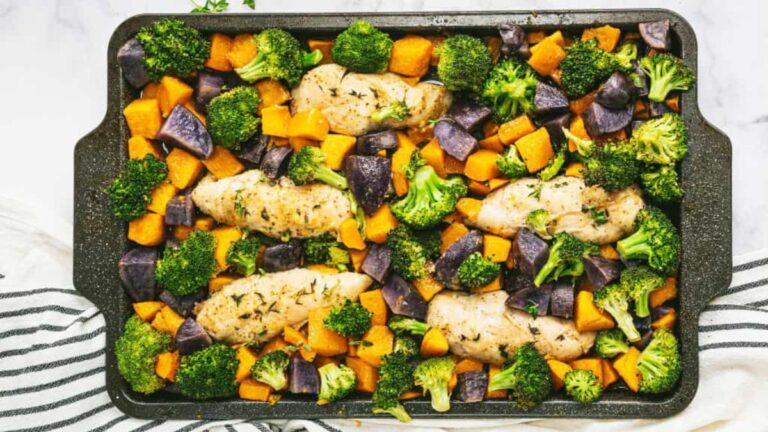
Ever find yourself staring blankly into the refrigerator, wondering how you're going to conjure up a delicious and healthy dinner without spending hours in the kitchen? We've all been there. The struggle to balance work, family, and a decent meal can feel overwhelming.
Juggling meal preparation alongside everything else life throws our way can leave us feeling drained. The constant chopping, stirring, and endless cleanup can easily make cooking feel more like a chore than a joy. And let's not forget the challenge of finding recipes that everyone in the family will actually enjoy!
This blog post is dedicated to simplifying your weeknight dinners with the magic of sheet pan chicken. We're exploring the world of "12 Sheet Pan Chicken Dinners for Effortless Family Meals," offering a treasure trove of easy, flavorful recipes that minimize both cooking time and cleanup. Get ready to reclaim your evenings and enjoy delicious, stress-free meals!
This article explores 12 Sheet Pan Chicken Dinners for Effortless Family Meals, providing easy and flavorful recipes that require minimal cooking time and cleanup. By utilizing a single sheet pan, these recipes simplify weeknight dinners, allowing busy families to enjoy healthy, home-cooked meals without the fuss. This method caters to various tastes and dietary preferences, making mealtime enjoyable for everyone. The focus is on convenience, flavor, and balanced nutrition, making sheet pan chicken dinners a go-to solution for effortless family meals.
The Allure of One-Pan Cooking
I remember the days when I would dread 5 PM. It wasn't just the end of the workday; it was the start of the dinner dilemma. Multiple pots and pans, mountains of dishes… the thought alone was exhausting. Then, I stumbled upon the glorious world of sheet pan dinners, and my life changed forever. It started with a simple roasted chicken and vegetables recipe, and I was instantly hooked.
The sheer simplicity of tossing everything onto a single sheet pan, baking it, and then having only one pan to wash felt like a miracle. No more juggling multiple cooking times, no more endless scrubbing. Sheet pan dinners are a lifesaver for busy weeknights. You can customize them to your family's tastes, using whatever vegetables you have on hand. For instance, try chicken with bell peppers, onions, and zucchini for a vibrant Mediterranean-inspired meal. Or, for a heartier option, go with potatoes, carrots, and Brussels sprouts. The possibilities are endless! The beauty of sheet pan chicken dinners lies in their versatility. You can use different cuts of chicken – breasts, thighs, drumsticks – and experiment with various seasonings and marinades. This ensures that you never get bored and that you can always find a recipe that everyone will love. The key is to cut the vegetables into similar sizes so that they cook evenly. And don't be afraid to add some spices! Paprika, garlic powder, and onion powder are all great choices for adding flavor to your chicken and vegetables. Sheet pan chicken dinners are not only easy and delicious, but they are also a healthy option. By roasting your chicken and vegetables, you are using a cooking method that requires minimal oil. This helps to keep the calories and fat content down, while still preserving the nutrients in your food. And with all those vegetables, you are getting a good dose of vitamins and minerals, too! So, if you're looking for a way to simplify your weeknight dinners, look no further than sheet pan chicken. It's a game-changer!
What Exactly Are Sheet Pan Chicken Dinners?
At its core, a sheet pan chicken dinner is a complete meal cooked on a single sheet pan in the oven. This usually involves chicken, vegetables, and some form of seasoning or marinade. The beauty of this method lies in its simplicity and efficiency. You prepare your ingredients, toss them together on a sheet pan, and let the oven do the rest.
What makes sheet pan dinners so appealing is the minimal cleanup involved. Once the meal is cooked, you're left with just one pan to wash, saving you valuable time and effort. This is especially helpful on busy weeknights when time is of the essence. Moreover, sheet pan dinners offer a balanced and nutritious meal. Chicken provides a lean source of protein, while the vegetables offer essential vitamins, minerals, and fiber. You can easily customize the vegetables to suit your preferences and dietary needs, making it a versatile option for any family. The key to a successful sheet pan chicken dinner is to ensure that the chicken and vegetables cook evenly. This often involves cutting the vegetables into similar sizes and arranging them in a single layer on the sheet pan. Overcrowding the pan can lead to steaming instead of roasting, resulting in soggy vegetables. Another tip is to choose vegetables that have similar cooking times. For example, potatoes, carrots, and Brussels sprouts take longer to cook than bell peppers, onions, and zucchini. If you're using vegetables with different cooking times, you can add the longer-cooking vegetables to the sheet pan first and then add the quicker-cooking vegetables later on. Sheet pan chicken dinners are also a great way to use up leftover vegetables. If you have some odds and ends in your fridge, simply chop them up and add them to the sheet pan. It's a great way to reduce food waste and create a delicious and healthy meal.
A Brief History and Some Myths About Sheet Pan Dinners
While the concept of cooking everything on one pan might seem relatively new, its roots are surprisingly deep. For centuries, people have been using various forms of one-pan cooking, from cast iron skillets over open fires to roasting pans in wood-fired ovens. The sheet pan, as we know it today, evolved with the advent of modern ovens and readily available sheet metal.
One myth surrounding sheet pan dinners is that they lack flavor. This couldn't be further from the truth! The key is to use generous amounts of seasoning and marinades. Experiment with different spice blends, herbs, and sauces to create bold and exciting flavors. Another common misconception is that sheet pan dinners are only for casual weeknight meals. However, with the right ingredients and presentation, they can be elevated for special occasions. Imagine a sheet pan filled with roasted chicken, asparagus spears, and lemon wedges, drizzled with a balsamic glaze. It's an elegant and impressive dish that's still incredibly easy to prepare. The history of one-pan cooking is intertwined with the need for efficiency and resourcefulness. In times when fuel and cookware were scarce, cooking everything together was a practical necessity. Today, sheet pan dinners offer the same benefits of convenience and simplicity, making them a perfect fit for our busy modern lifestyles. Some believe that sheet pan dinners are only for certain types of protein, like chicken. While chicken is a popular choice, you can also use sheet pans for cooking fish, shrimp, sausage, and even tofu. The key is to adjust the cooking time accordingly. Fish and shrimp cook much faster than chicken, so you'll want to add them to the sheet pan later in the cooking process. With a little creativity, you can create a wide variety of delicious and healthy sheet pan dinners that cater to your dietary preferences and needs.
Unlocking the Hidden Secrets of Sheet Pan Chicken Dinners
The real magic of sheet pan chicken dinners lies in the details. It's not just about tossing ingredients on a pan and hoping for the best. There are a few key secrets that can elevate your sheet pan game from good to extraordinary. One of the most important secrets is the use of parchment paper or a silicone baking mat.
Lining your sheet pan with parchment paper or a silicone baking mat not only prevents sticking but also makes cleanup a breeze. No more scrubbing burnt-on food! Another secret is to preheat your oven to a high temperature. This helps to create a crispy, caramelized exterior on your chicken and vegetables. Aim for a temperature of at least 400°F (200°C). Don't be afraid to experiment with different flavors and textures. Add some chopped nuts or seeds for crunch, or drizzle with a flavorful sauce after cooking. The possibilities are endless! The placement of your ingredients on the sheet pan also matters. Arrange the chicken and vegetables in a single layer, making sure they're not overcrowded. Overcrowding can lead to steaming instead of roasting, resulting in soggy food. For best results, leave a little space between each piece. Another hidden secret is to use a meat thermometer to ensure that your chicken is cooked to a safe internal temperature. Chicken should be cooked to 165°F (74°C). This will ensure that it's juicy and safe to eat. Finally, don't be afraid to get creative with your seasonings and marinades. Experiment with different spice blends, herbs, and sauces to create unique and flavorful dishes. A simple marinade of olive oil, lemon juice, garlic, and herbs can transform a basic chicken breast into a culinary masterpiece. Sheet pan chicken dinners are all about simplicity and convenience, but with a few simple tricks, you can take them to the next level.
Recommendations for Your Sheet Pan Chicken Adventures
When it comes to sheet pan chicken dinners, the possibilities are truly endless. However, to get you started on your culinary journey, here are a few tried-and-true recommendations that are sure to please your taste buds and simplify your weeknight routine. First up is the classic Lemon Herb Roasted Chicken and Veggies.
This recipe is a crowd-pleaser and incredibly easy to customize. Simply toss chicken pieces (bone-in, skin-on thighs work best) with your favorite vegetables, such as potatoes, carrots, and broccoli, and then drizzle with olive oil, lemon juice, and a generous sprinkle of herbs like rosemary, thyme, and oregano. Roast until the chicken is cooked through and the vegetables are tender. For a spicier option, try the Chili Lime Chicken and Sweet Potato Sheet Pan Dinner. This recipe features chicken breasts marinated in a zesty blend of chili powder, lime juice, garlic, and cumin. Serve it with roasted sweet potato wedges and bell peppers for a vibrant and flavorful meal. If you're craving something with a Mediterranean twist, the Greek Chicken and Veggie Sheet Pan is a must-try. Marinate chicken in a mixture of olive oil, lemon juice, garlic, oregano, and a pinch of red pepper flakes. Roast it with tomatoes, onions, zucchini, and Kalamata olives for a taste of the Mediterranean. Don't forget to sprinkle with feta cheese before serving! For a quick and easy Asian-inspired meal, try the Teriyaki Chicken and Broccoli Sheet Pan Dinner. Marinate chicken in a sweet and savory teriyaki sauce and roast it with broccoli florets until tender. Serve with rice or quinoa for a complete meal. And finally, for a simple and comforting option, try the Garlic Parmesan Chicken and Asparagus Sheet Pan Dinner. Toss chicken with olive oil, garlic, parmesan cheese, and a sprinkle of salt and pepper. Roast it with asparagus spears until the chicken is cooked through and the asparagus is tender. These are just a few ideas to get you started. Feel free to experiment with different flavors, vegetables, and cuts of chicken to create your own unique sheet pan masterpieces. The key is to have fun and enjoy the process!
Choosing the Right Sheet Pan
The unsung hero of sheet pan dinners is, of course, the sheet pan itself. But not all sheet pans are created equal. Choosing the right sheet pan can make a significant difference in the outcome of your meal. The ideal sheet pan should be large enough to accommodate all of your ingredients in a single layer without overcrowding. A half-sheet pan (approximately 18 x 13 inches) is a good size for most family meals.
The material of the sheet pan also matters. Aluminum sheet pans are a popular choice because they are lightweight, affordable, and conduct heat evenly. However, they can warp at high temperatures and may react with acidic foods. Stainless steel sheet pans are more durable and resistant to warping, but they can be more expensive and may not conduct heat as evenly as aluminum. Another option is a nonstick sheet pan. These pans are easy to clean and prevent food from sticking, but the nonstick coating can wear off over time. If you choose a nonstick sheet pan, be sure to use utensils that won't scratch the surface. In addition to the size and material, consider the thickness of the sheet pan. A thicker sheet pan will be more resistant to warping and will distribute heat more evenly. Look for a sheet pan that is at least 1/2 inch thick. Finally, consider the rim of the sheet pan. A sheet pan with a rim will prevent juices and sauces from spilling into your oven. A rimmed sheet pan is also useful for catching any drips that may occur during cooking. When choosing a sheet pan, it's important to consider your budget, cooking style, and personal preferences. There is no one-size-fits-all solution, but with a little research, you can find the perfect sheet pan for your needs. And remember, taking care of your sheet pan is essential for its longevity. Be sure to wash it thoroughly after each use and avoid using abrasive cleaners that can damage the surface.
Top Tips for Perfect Sheet Pan Chicken Dinners
Mastering sheet pan chicken dinners is all about understanding a few key techniques and keeping some helpful tips in mind. These tips will help you achieve perfectly cooked chicken and flavorful vegetables every time, ensuring a delicious and stress-free meal. First, always preheat your oven to the correct temperature.
This is crucial for even cooking and preventing soggy vegetables. Aim for a temperature of at least 400°F (200°C). Next, cut your vegetables into uniform sizes. This ensures that they cook evenly and prevents some pieces from being overcooked while others are undercooked. Don't overcrowd the sheet pan. Overcrowding can lead to steaming instead of roasting, resulting in soggy vegetables and unevenly cooked chicken. Use a large enough sheet pan or divide the ingredients between two sheet pans. Toss your chicken and vegetables with olive oil and seasonings before roasting. This helps to create a flavorful crust and prevents the food from sticking to the sheet pan. Season generously! Don't be afraid to experiment with different spices, herbs, and sauces to create unique and exciting flavors. Consider using parchment paper or a silicone baking mat to line your sheet pan. This makes cleanup a breeze and prevents food from sticking. If you're using vegetables with different cooking times, add the longer-cooking vegetables to the sheet pan first and then add the quicker-cooking vegetables later on. For example, potatoes and carrots take longer to cook than bell peppers and zucchini. Use a meat thermometer to ensure that your chicken is cooked to a safe internal temperature. Chicken should be cooked to 165°F (74°C). Let the chicken rest for a few minutes before serving. This allows the juices to redistribute, resulting in more tender and flavorful meat. Don't be afraid to experiment with different flavors and combinations. Sheet pan dinners are a great way to use up leftover vegetables and create new and exciting dishes. By following these tips, you can master the art of sheet pan chicken dinners and enjoy delicious, stress-free meals every time.
Don't Forget the Marinade!
A marinade is your secret weapon for adding flavor and tenderness to your sheet pan chicken. A good marinade not only infuses the chicken with delicious flavors but also helps to keep it moist and juicy during cooking. There are countless marinade recipes to choose from, so feel free to experiment and find your favorites. A simple marinade can be made with just a few basic ingredients, such as olive oil, lemon juice, garlic, herbs, and spices.
For a more complex flavor, try adding soy sauce, honey, mustard, or vinegar. The key is to strike a balance between acidity, sweetness, and savory elements. The acidity in the marinade helps to tenderize the chicken, while the sweetness adds a touch of caramelization during cooking. The savory elements, such as garlic, herbs, and spices, provide depth and complexity. When marinating chicken, it's important to use a food-safe container and to marinate it in the refrigerator. The longer the chicken marinates, the more flavorful it will become. However, it's important to avoid marinating the chicken for too long, as the acidity can break down the proteins and make the chicken mushy. A good rule of thumb is to marinate chicken for at least 30 minutes and no more than 24 hours. Before roasting the chicken, remove it from the marinade and pat it dry with paper towels. This will help to ensure that it browns properly in the oven. You can also reserve some of the marinade to brush on the chicken during cooking. Be sure to bring the reserved marinade to a boil before using it to kill any bacteria. Some popular marinade recipes include: Lemon Herb Marinade: Olive oil, lemon juice, garlic, rosemary, thyme, salt, and pepper. Teriyaki Marinade: Soy sauce, honey, ginger, garlic, sesame oil, and rice vinegar. Chili Lime Marinade: Olive oil, lime juice, chili powder, cumin, garlic, and cilantro. Greek Marinade: Olive oil, lemon juice, garlic, oregano, and red pepper flakes. By incorporating a flavorful marinade into your sheet pan chicken dinners, you can take them to the next level and create truly memorable meals.
Fun Facts About Sheet Pan Chicken Dinners
Beyond their convenience and deliciousness, sheet pan chicken dinners have some interesting and surprising facts associated with them. Did you know that the sheet pan itself has a long and storied history? The modern sheet pan, as we know it today, evolved from baking sheets used in commercial bakeries.
These early baking sheets were made of heavy-gauge metal and were designed to withstand the high temperatures and constant use of a bakery oven. Over time, the design of the sheet pan was adapted for home use, with lighter-weight materials and smaller sizes becoming more common. Another fun fact is that sheet pan dinners are a great way to reduce food waste. By using up leftover vegetables and scraps, you can create a delicious and healthy meal while minimizing your environmental impact. Sheet pan dinners are also a surprisingly versatile culinary tool. While they are commonly used for roasting chicken and vegetables, they can also be used for baking cookies, roasting nuts, and even making pizzas. The possibilities are endless! In some cultures, one-pan cooking is a traditional method of preparing meals. For example, in Spain, paella is a popular dish that is cooked in a large, shallow pan over an open fire. Similarly, in Morocco, tagine is a slow-cooked stew that is prepared in a conical earthenware pot. Sheet pan dinners have become increasingly popular in recent years, thanks in part to the rise of food blogs and social media. These platforms have helped to spread the word about the convenience and versatility of sheet pan cooking, inspiring home cooks to experiment with new recipes and techniques. One unexpected benefit of sheet pan dinners is that they can help to reduce stress. By simplifying meal preparation and cleanup, sheet pan dinners can free up time and energy for other activities, leading to a more relaxed and enjoyable evening. Finally, sheet pan dinners are a great way to get kids involved in the kitchen. Children can help with washing, chopping, and seasoning the vegetables, making them feel like they are contributing to the meal. By learning about cooking at a young age, children can develop healthy eating habits and a lifelong love of food. So, the next time you're preparing a sheet pan chicken dinner, remember these fun facts and appreciate the history, versatility, and benefits of this simple yet satisfying culinary technique.
How To Make Sheet Pan Chicken Dinners
Creating delicious and effortless sheet pan chicken dinners is easier than you might think. With a few simple steps and some basic ingredients, you can have a complete and satisfying meal on the table in no time. First, gather your ingredients. Choose your favorite chicken pieces (breasts, thighs, drumsticks) and a variety of vegetables (potatoes, carrots, broccoli, bell peppers, onions, zucchini).
You'll also need some olive oil, seasonings (salt, pepper, garlic powder, onion powder, paprika, herbs), and a marinade (optional). Preheat your oven to 400°F (200°C). While the oven is preheating, prepare your ingredients. Wash and chop the vegetables into uniform sizes. If using a marinade, marinate the chicken for at least 30 minutes. Line a sheet pan with parchment paper or a silicone baking mat for easy cleanup. Toss the vegetables with olive oil and seasonings. Arrange the vegetables in a single layer on the sheet pan. Place the chicken pieces on top of the vegetables. If using a marinade, brush the chicken with the marinade. Bake for 25-30 minutes, or until the chicken is cooked through and the vegetables are tender. Use a meat thermometer to ensure that the chicken is cooked to a safe internal temperature (165°F or 74°C). Let the chicken rest for a few minutes before serving. Serve the chicken and vegetables together on a plate. Garnish with fresh herbs, such as parsley or cilantro, if desired. For a complete meal, serve with rice, quinoa, or a side salad. To customize your sheet pan chicken dinner, experiment with different flavors and combinations. Try using different types of chicken, vegetables, and seasonings. You can also add sauces, such as teriyaki sauce, barbecue sauce, or honey mustard sauce. If you're short on time, you can use pre-cut vegetables and pre-marinated chicken. This will save you even more time in the kitchen. Sheet pan chicken dinners are a great way to simplify meal preparation and enjoy delicious, healthy meals without spending hours in the kitchen. With a little practice, you'll be able to create a wide variety of sheet pan chicken dinners that your family will love.
What If...? Sheet Pan Chicken Dinner Troubleshooting
Even with the simplest recipes, things can sometimes go awry. So, let's address some common "what if" scenarios you might encounter when making sheet pan chicken dinners and how to troubleshoot them. What if my chicken is cooked through but the vegetables are still raw? This is a common problem, especially when using vegetables with different cooking times.
To fix this, you can either remove the chicken from the sheet pan and continue roasting the vegetables until they are tender, or you can tent the chicken with foil to prevent it from overcooking while the vegetables finish cooking. What if my vegetables are cooked through but the chicken is still raw? This is a more serious problem, as raw chicken can be dangerous to eat. If this happens, you should remove the vegetables from the sheet pan and continue roasting the chicken until it is cooked through. Use a meat thermometer to ensure that the chicken is cooked to a safe internal temperature (165°F or 74°C). What if my chicken and vegetables are both overcooked and dry? This can happen if you roast the chicken and vegetables for too long or at too high of a temperature. To prevent this, be sure to monitor the cooking time and temperature closely. You can also try adding some moisture to the sheet pan by drizzling it with olive oil or chicken broth. What if my vegetables are soggy instead of crispy? This can happen if you overcrowd the sheet pan or if you don't preheat the oven to a high enough temperature. To prevent this, be sure to use a large enough sheet pan and to preheat the oven to at least 400°F (200°C). You can also try tossing the vegetables with cornstarch before roasting them, which will help to absorb excess moisture. What if my sheet pan is sticking and the food is burning? This can happen if you don't line the sheet pan with parchment paper or a silicone baking mat. To prevent this, always line the sheet pan before adding the chicken and vegetables. You can also try using a nonstick sheet pan. By being aware of these potential problems and knowing how to troubleshoot them, you can ensure that your sheet pan chicken dinners turn out perfectly every time.
12 Sheet Pan Chicken Dinner Ideas To Try Tonight
Ready to dive into the world of sheet pan chicken dinners? Here's a listicle of 12 delicious and easy recipes to get you started: 1. Lemon Herb Roasted Chicken and Veggies: A classic combination of chicken, potatoes, carrots, and broccoli, seasoned with lemon juice and herbs.
2. Chili Lime Chicken and Sweet Potato: Chicken breasts marinated in chili lime flavors, roasted with sweet potato chunks.
3. Garlic Parmesan Chicken and Asparagus: A simple yet flavorful dish with garlic, parmesan, and tender asparagus spears.
4. Honey Mustard Chicken and Brussels Sprouts: Chicken thighs glazed with honey mustard, roasted with crispy Brussels sprouts.
5. Teriyaki Chicken and Broccoli: Chicken marinated in teriyaki sauce, paired with fresh broccoli florets for an Asian-inspired meal.
6. Balsamic Glazed Chicken and Root Vegetables: A sophisticated combination of chicken and colorful root vegetables, drizzled with balsamic glaze.
7. Pesto Chicken and Cherry Tomatoes: Chicken breasts topped with pesto, roasted with sweet cherry tomatoes for a Mediterranean delight.
8. Spicy Jerk Chicken and Pineapple: Chicken marinated in jerk seasoning, paired with juicy pineapple chunks for a tropical twist.
9. Ranch Chicken and Potato Wedges: Chicken coated in ranch seasoning, roasted with potato wedges for a comforting and family-friendly meal.
10. Buffalo Chicken and Cauliflower: Chicken tossed in buffalo sauce, roasted with cauliflower florets for a spicy and satisfying dish.
11. Greek Lemon Chicken and Potatoes: Chicken marinated in Greek flavors, roasted with lemon and potatoes for a zesty and authentic taste.
12. Cajun Chicken and Bell Peppers: Chicken seasoned with Cajun spices, paired with colorful bell peppers for a flavorful and vibrant dish. Each of these recipes is easy to customize to your liking. Feel free to swap out the vegetables, change up the seasonings, or add your own unique touches. The key is to have fun and experiment until you find your perfect sheet pan chicken dinner. Bon appétit!
Question and Answer Section about 12 Sheet Pan Chicken Dinners for Effortless Family Meals
Q: What if I don't have time to marinate the chicken?
A: No problem! While marinating adds flavor, you can still create a delicious sheet pan chicken dinner without it. Simply toss the chicken with olive oil and your favorite seasonings before roasting.
Q: Can I use frozen vegetables in a sheet pan dinner?
A: Yes, but keep in mind that frozen vegetables may release more moisture than fresh vegetables. To prevent soggy vegetables, thaw them slightly before roasting and pat them dry with paper towels. Q: How do I prevent my vegetables from burning?
A: To prevent burning, make sure to cut the vegetables into uniform sizes and to toss them with enough olive oil. You can also try lowering the oven temperature slightly and increasing the cooking time. Q: Can I use different cuts of chicken in a sheet pan dinner?
A: Absolutely! Chicken breasts, thighs, drumsticks, and wings all work well in sheet pan dinners. Just be sure to adjust the cooking time accordingly. Boneless, skinless chicken breasts will cook faster than bone-in, skin-on chicken thighs.
Conclusion of 12 Sheet Pan Chicken Dinners for Effortless Family Meals
Sheet pan chicken dinners offer a simple, convenient, and delicious solution for busy families seeking effortless weeknight meals. With their versatility and minimal cleanup, these recipes are a game-changer for anyone looking to reduce cooking stress and enjoy healthy, home-cooked food. By exploring the 12 sheet pan chicken dinner ideas presented, home cooks can discover a wide array of flavor combinations and customize them to suit their preferences. Whether it's a classic lemon herb roast or a spicy jerk chicken, the possibilities are endless. Embrace the magic of one-pan cooking and transform your dinner routine into a streamlined and enjoyable experience!

Post a Comment
Post a Comment